

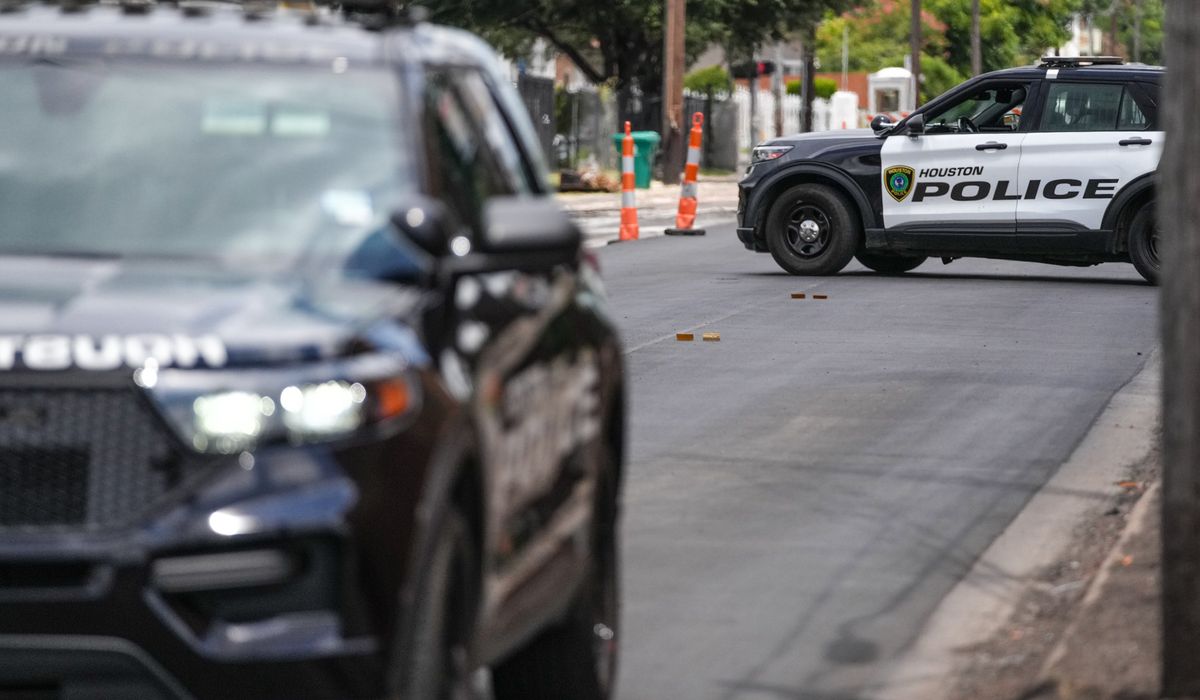
A U.S. Immigration and Customs Enforcement officer shot and killed a man in Houston after he attempted to evade arrest in his vehicle during an operation Tuesday, the agency said.
The incident in Houston is a stark reminder that enforcement operations carry real risks for officers and the public on both sides. Local officials and federal agents say moments like this demand a clear, fast response so facts can be pinned down and justice served. The community deserves transparency without rushing to judgment.
According to agency statements, the shooting happened during an arrest operation when the subject tried to flee in a vehicle, presenting a dangerous situation for agents on the scene. That sentence stands as the central reported fact: “A U.S. Immigration and Customs Enforcement officer shot and killed a man in Houston after he attempted to evade arrest in his vehicle during an operation Tuesday, the agency said.” This description is what officials have released while investigations proceed.
From a law-and-order perspective, officers must be supported when they act to protect themselves and bystanders. That does not mean there should be a blanket pass for every use of force, but it does mean public safety agencies need resources, training, and clear rules to do their jobs. Political leaders who undermine enforcement with vague promises or sanctuary-type policies make every operation harder and more dangerous.
At the same time, accountability matters. A thorough, independent review is appropriate to determine whether policies and procedures were followed and whether the force used matched the threat encountered. Republicans typically argue that investigations should be swift and transparent while also protecting officers from politicized second-guessing.
The facts we have are limited, which is a common challenge early in these cases. Witness statements, vehicle footage if available, and agency body-worn camera video will be decisive in rebuilding the moments that led to the shooting. Until those elements are reviewed, speculation from any quarter only fuels division and distracts from the need for calm, factual inquiry.
This episode also highlights the operational realities of immigration enforcement, where suspects may attempt to avoid arrest and create moving, unpredictable risks. Proper planning and coordination with local law enforcement reduce danger, but they cannot eliminate risk entirely when a subject chooses to flee. That reality supports the argument for stronger border and interior enforcement that reduces the pool of individuals who might resist lawful detainers or warrants.
Policy debates will follow, and those debates should be rooted in practical outcomes rather than slogans. Republicans will point to officer safety, public order, and the need for efficient deportation and detention systems as priorities to prevent future confrontations. Critics will focus on rights and oversight, which are also legitimate concerns; the right balance is found through clear laws, training, and community trust.
Meanwhile, the family of the deceased and the officers involved deserve timely communication from investigators about the status of the inquiry. The agency’s initial statement is only the start, and the public must be kept informed as evidence is verified and legal steps unfold. That approach protects both civic trust and the integrity of any subsequent prosecutions or administrative actions.

