

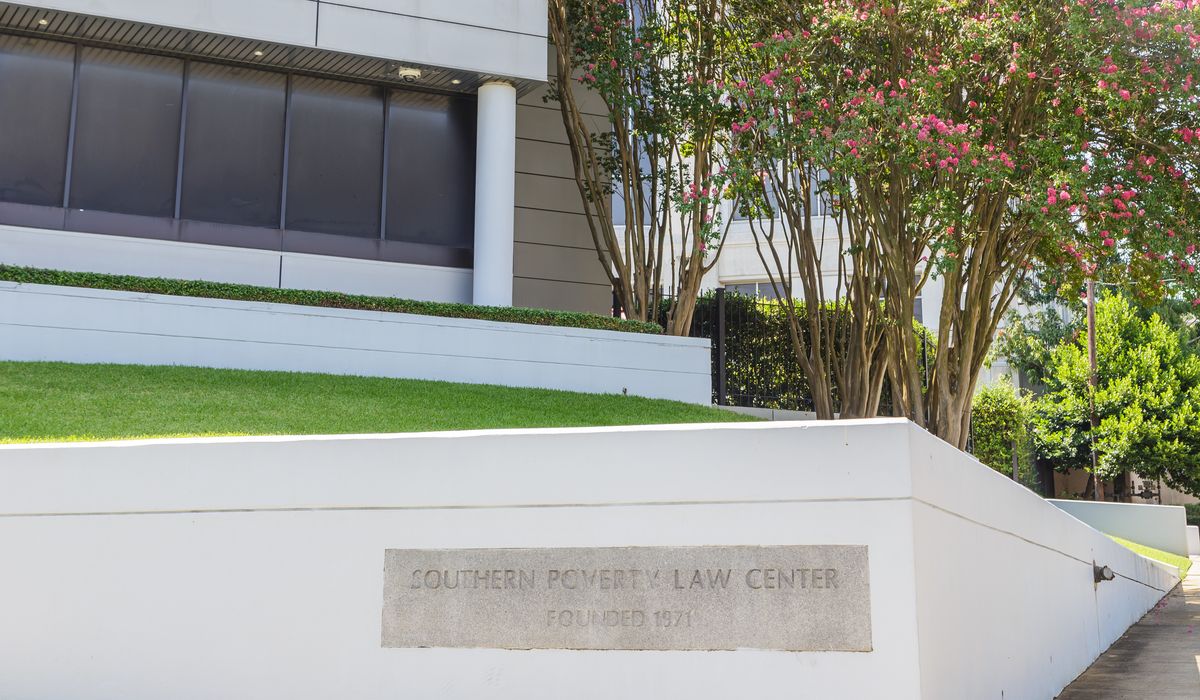
The Southern Poverty Law Center has pleaded not guilty to federal charges alleging donor fraud, and the case raises tough questions about nonprofit transparency, legal accountability, and public trust.
The Southern Poverty Law Center, best known for monitoring hate groups, pleaded not guilty Tuesday to federal charges that it defrauded donors by not disclosing that some of the money would be used to
The indictment landed like a splash of cold water for many who long viewed the SPLC as a go-to organization on extremism. Supporters and critics will watch the next steps closely because the outcome could reshape expectations for political and advocacy groups. The organization’s reputation for watchdog work now sits beside a messy criminal allegation that demands answers.
Legal systems exist to sort fact from accusation, and pleading not guilty is a normal procedural move. Still, the charges themselves underscore the need for clean books and clear donor communications across the nonprofit world. Republicans and fiscal conservatives have long pushed for stricter oversight of tax-exempt groups, arguing public trust hinges on transparency.
Donors give money with expectations about where it will go, and violating those expectations is at the heart of the fraud allegation. Whether this case proves criminal intent or poor internal controls, the broader message to nonprofits is clear: explain your spending plainly. That principle applies regardless of political leanings or the causes groups advance.
From a Republican perspective, the stakes are both practical and moral. Practical because public dollars and tax advantages flow to charities and watchdogs; moral because political influence shouldn’t be funneled through murky accounting. When an organization holds itself up as a moral authority, accountability should follow without excuses or spin.
The indictment also invites scrutiny of the regulatory framework that governs nonprofits. If the government proves the charges, it will argue existing rules aren’t enough to prevent deceptive fundraising. If it fails, critics will say prosecutors overreached and that the law needs clearer standards about disclosures and donor intent.
Campaigns and donor networks will pay attention here too, because lines between advocacy and charity sometimes blur. Fundraisers must navigate those lines carefully or risk litigation and reputational harm. This case could prompt boards and compliance officers to tighten policies and audit practices across the sector.
Meanwhile, the SPLC and its defenders are likely to emphasize due process and the organization’s prior work on hate groups and civil rights. Supporters will argue this is a political attack aimed at weakening a high-profile player. That narrative will be part of the public fight, but it won’t replace the need for clear records and straightforward donor notices.
The legal timetable will move in fits and starts, with motions, hearings, and discovery phases to come. Evidence, witness testimony, and internal documents will determine how convincing the government’s case proves to be. Until then, the plea of not guilty stands, and the matter will proceed through the courts rather than the court of public opinion.
This episode is a reminder that nonprofits operate in a high-stakes arena where money, influence, and reputation intersect. Whether you lean left or right, the principle that donors deserve honest information about how their contributions are used is hard to argue against. The coming legal process will test that principle and, depending on the result, may lead to sharper rules for everyone in the charitable space.

