

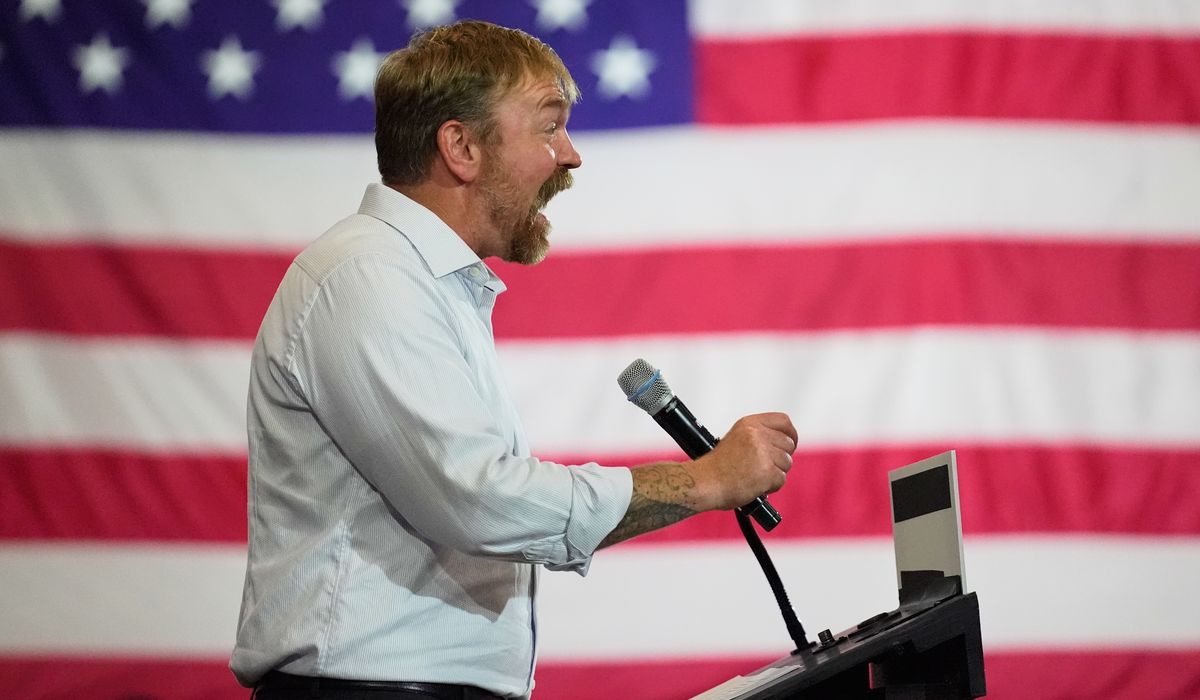
The same left-wing coalition that helped turn him into a rock star in Maine’s U.S. Senate race abandoned him Tuesday in the wake of a rape allegation that has thrown into turmoil the Democratic Party.
The rallying force that once elevated this candidate in Maine is now gone practically overnight. Support that felt near-unanimous turned into public distancing, leaving a campaign scrambling for answers and control. That abrupt shift has opened a wider debate about accountability and loyalty inside the party.
For months the left-wing coalition gave him momentum, attention, and credibility in a tough statewide contest. Their organizing and messaging turned his candidacy into a headline-grabbing phenomenon, drawing national eyes to Maine. Losing that backing now creates both an emotional and practical vacuum on the campaign trail.
The abandonment came after a serious accusation surfaced Tuesday, and the optics were immediate and damaging. Prominent backers stepped back or issued cautious statements, signaling they would not carry the political baggage forward. The move highlights how fragile coalitions built on fervor can be when confronted with scandal.
From a Republican perspective, this episode shows the limits of performative politics and the risks of elevating candidates without sustained vetting. When supporters pivot so fast, it looks less like principled accountability and more like a calculation to protect brand and donors. Voters watching will judge whether the coalition was loyal to ideals or to optics.
The practical fallout matters without question. Campaign plans, volunteer networks, and donor pledges can all be disrupted by a sudden withdrawal of elite support. That instability reshapes the race and hands opponents new lines of attack, especially on character and judgment. In a tight contest every fractured endorsement matters.
This is also a test for the Democratic Party’s leadership and institutions. Will party officials set clear standards for conduct and response, or will they let crisis management dictate decisions in real time? How the party handles this moment will signal whether it values consistent principles over short-term advantage.
Beyond party politics, the situation raises questions about how allegations are treated in the public square. There is a need for a careful path that respects due process while recognizing the political realities at play. The tension between immediate political reaction and methodical fact finding creates an awkward scramble for messaging across the spectrum.
As the immediate shock settles, the campaign will face calls to repair trust, shore up operations, and answer to voters who feel let down. Opponents will press their advantage and voters will demand clarity on character and judgment. The coming days will be decisive for how the race reshapes and how both parties navigate the fallout.

