

Five family members were killed and two more critically wounded in a targeted mass shooting that hit three locations in East St. Louis, with two juveniles detained and no charges filed yet.
A string of shootings on Sunday left five related people dead and two others fighting for their lives after attacks at three separate sites around East St. Louis. Authorities have detained a 15-year-old and a 16-year-old at a nearby state park, but as of the latest reports no criminal charges have been filed. The victims ranged in age from 21 to 74, and officials confirmed all five who died were family members. The scale and apparent targeting of the violence stunned residents and police alike.
The dead were identified as Quentin L. Thompson, 21; Devin D. May, 24; Shania Thompson, 25; Cherie L. May, 49; and Patricia A. May, 74. Two other relatives were shot and remain hospitalized in critical condition, with their names withheld by investigators. The attacks occurred across separate scenes in the city, which amplified the horror and confusion for witnesses. Officials say the shootings were deliberate, not random.
Police arrested the two juveniles at Frank Holten State Park, a recreation area just outside East St. Louis. Investigators have not released details about the weapons used in the attacks or a motive for the killings. One news report indicated a family connection between at least one of the suspects and the victims, but officials have not fully explained the relationship. The public remains without a clear explanation of how or why this family was targeted.
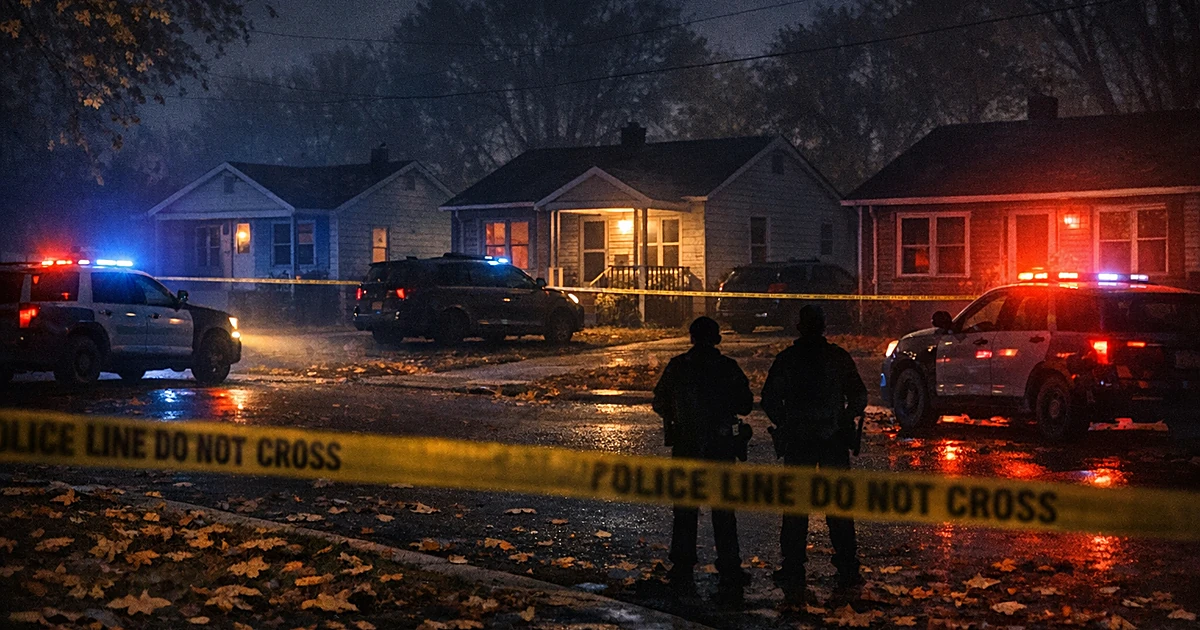
The shootings happened at multiple sites, including neighborhood streets, a public housing complex, and a park, leaving the community shaken. Seven relatives were struck by gunfire across those scenes, and five did not survive. First responders and neighbors described a chaotic response as authorities tried to secure three different locations at once. The geographic spread underscores how quickly violence can ripple through a small area.
In discussing the carnage, Illinois State Police Director Brendan Kelly spoke directly to the pain felt in the city. “It’s terrible. It’s evil. But it will not keep this city down.” Those words reflect more than sorrow; they are a pledge to push back against the shock these killings inflicted on a long-troubled community. Still, words offer limited comfort to families who lost three generations in a single day.
Both detained suspects are minors, and prosecutors have not announced whether they will seek to charge them as adults. Illinois law allows transfer of juveniles to adult court in serious violent felonies, but that decision rests with prosecutors and judges. The lack of immediate charges after five homicides adds to community frustration and raises questions about the pace of accountability. Residents want clarity on what the state intends to do and how quickly it will move.
Political leaders and law enforcement officials have already traded blame over the response and broader policy. State officials declined federal assistance in recent months, a move criticized by some who say more resources could help curb gun violence. From a Republican viewpoint, that refusal looks like a missed opportunity to back local law enforcement and protect citizens. When teenagers allegedly carry out multi-site killings, questions about leadership and resources grow louder.
Longstanding problems in East St. Louis—declining population, shrinking tax base, and persistent violent crime—set the backdrop for this latest tragedy. Those structural issues do not excuse targeted murders, but they help explain why the city struggles to recover from each new wound. Officials on all sides say they want solutions that reduce shootings and strengthen public safety, yet the community continues to pay the price. Policymakers must reckon with both street-level realities and larger policy choices.
The identities and relationships tying together the Thompson and May families have not been fully mapped by investigators, leaving neighbors to piece together family ties and histories. The five victims represent a cross-section of ages and generations, from the youngest adult to a 74-year-old elder. That multi-generational loss deepens the tragedy and complicates how the community will heal. Survivors, friends, and first responders face the long work of coping with what they witnessed and what they lost.
Key questions remain unresolved: who fired the shots, what weapons were used, why this family was targeted, and whether both suspects acted as shooters or in supportive roles. The legal process in juvenile cases can be slow, and days or weeks may pass before charges, if any, are filed. Meanwhile, residents demand swift action and transparency so trust in the justice system can begin to be rebuilt. Without answers, fear and anger will continue to fester in a city already acquainted with violence.
Incidents like this one expose the blunt reality that current laws and policies did not stop a massacre from unfolding across neighborhoods, homes, and a park. Families are left grieving and a small city is left to count the cost of a single afternoon of targeted violence. The detained teenagers remain in custody as the investigation continues, and the community awaits a clearer sense of how prosecutors and leaders will respond to a crime that altered multiple lives at once. The road ahead will be difficult for everyone involved.

