

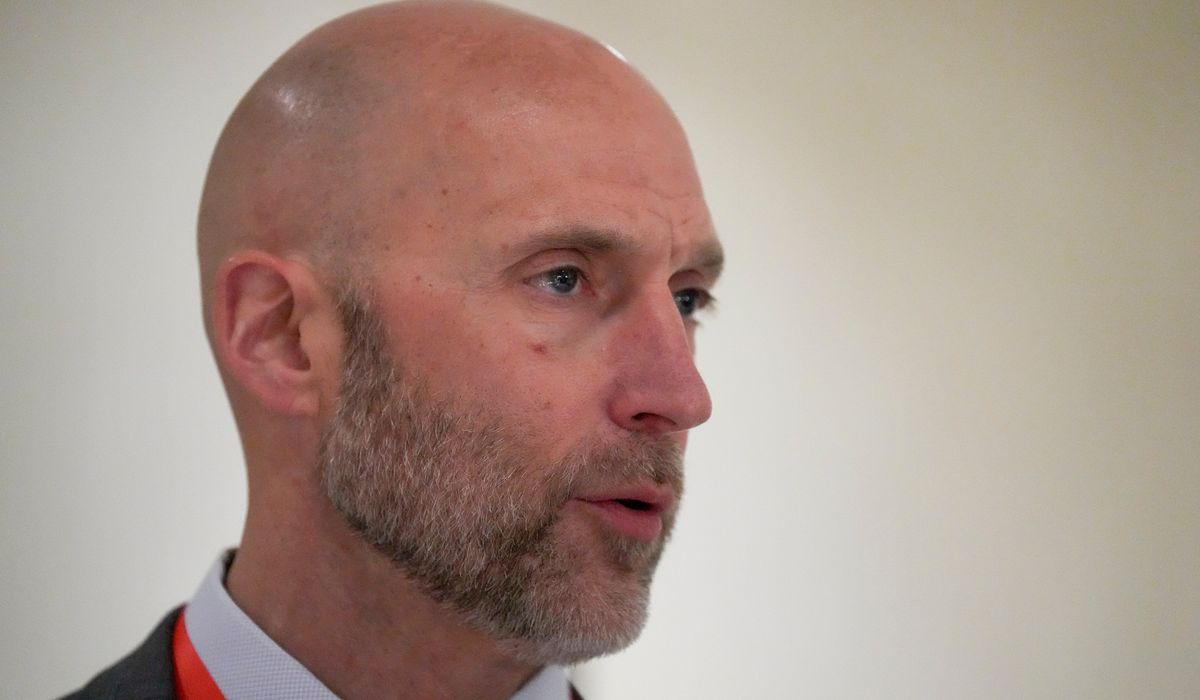
Illinois has extended athletic director Josh Whitman’s contract through 2036, committing more than $31 million over the next 10 years on the heels of a series of standout seasons for the department.
The University of Illinois has officially renewed athletic director Josh Whitman’s contract through 2036, signaling long-term confidence in his leadership. The agreement includes a significant financial commitment, committing more than $31 million over the next 10 years, reflecting the school’s desire to lock in stability at the top of its athletics operation. This move comes after what the university described as a period of strong results across multiple sports.
Extending an athletic director’s deal for a decade is a clear vote of faith from university leadership and trustees, and it gives Whitman room to plan multi-year strategies. That kind of time horizon allows for investments in recruiting, facilities planning, and long-term coaching contracts without the distraction of frequent contract negotiations. It also sends a message to donors, coaches, and staff that the program aims to build continuity rather than churn.
Committing more than $31 million over the next 10 years means the university has budgeted for salary, incentives, and likely retention components tied to performance and milestones. While the headline number will attract attention, the duration is equally important because it removes short-term uncertainty and helps align the athletic department’s timeline with capital projects and conference obligations. Those financial dynamics will shape how the department approaches hires, scheduling, and donor relations in the coming decade.
Whitman’s tenure has coincided with a noticeable uptick in competitive results and operational changes, which the university cited when announcing the extension. The contract extension arrives on the heels of a series of standout seasons for the department, and the administration framed the new deal as a way to maintain momentum. For stakeholders who prioritize sustained competitiveness, a decade-long commitment suggests the university wants a steady hand guiding program development.
Long contracts for athletic directors also matter for coach retention and recruitment, since stability at the top can make the program more attractive to prospective hires. Coaches often weigh institutional continuity when considering job moves, and a secured athletic director can make contract negotiations smoother. Additionally, donors and corporate partners typically prefer predictable leadership when committing to multi-year gifts or naming rights.
There will be scrutiny over how the commitment translates to on-field and off-field priorities, including academic support, student-athlete welfare, and community engagement. Athletic departments operate within broader university missions, and expectations for fiscal responsibility and compliance remain high. How the funds tied to Whitman’s contract are allocated in practice will be watched by fans, alumni, and university oversight bodies alike.
From a governance perspective, long-term deals are tools to attract and retain experienced administrators who can navigate conference realignment, media rights negotiations, and evolving NCAA rules. They also carry risk: if results decline or institutional priorities shift, an extended contract can become a point of contention. That makes transparency around goals, benchmarks, and evaluation criteria important for sustaining support across campus.
For the Illinois community, this extension represents a commitment to a strategic path laid out by the athletic department and university leadership. It reinforces the message that the school intends to remain competitive and stable in a changing collegiate sports landscape. Moving forward, the focus will be on translating that stability into consistent performance and responsible stewardship of the resources dedicated to the program.

