

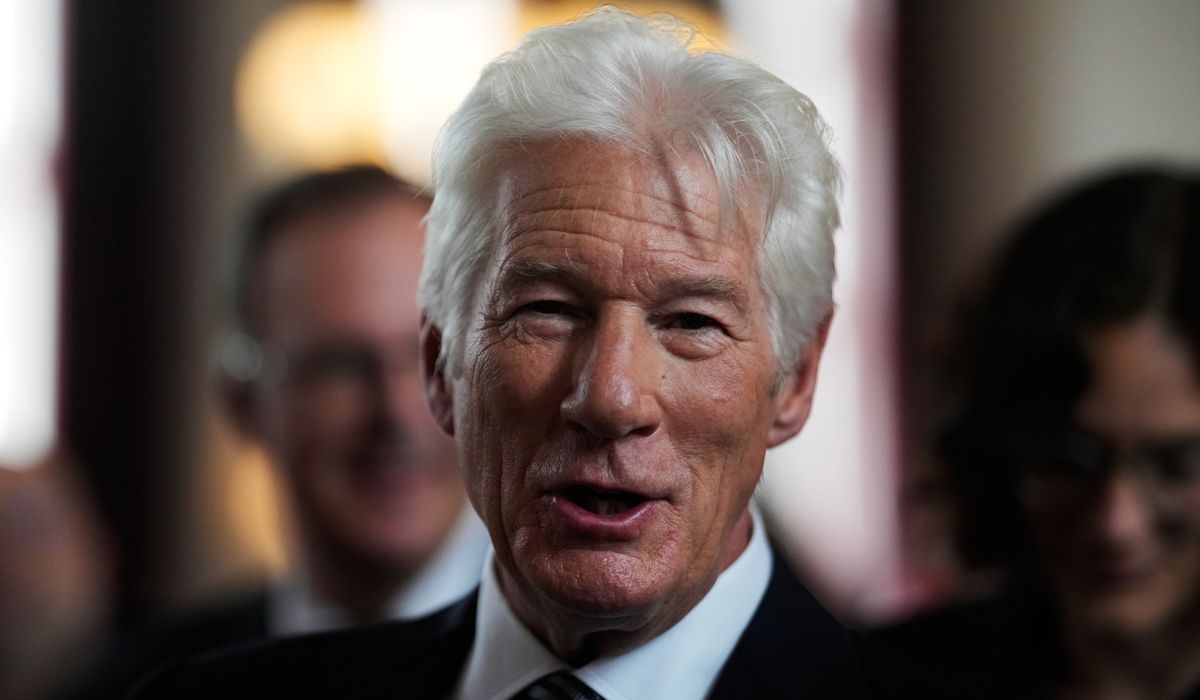
Actor RICHARD GERE’s blunt line about Donald Trump landed in the middle of a crowded conversation, and it’s worth looking at the remark, the reaction it provoked, and what it says about celebrity commentary in politics.
Actor RICHARD GERE on Trump: “He’s a rogue personality who’s destroyed so much; he’s caused so many deaths. But it will be over. He’s an old man; he’s a damaged personali”
Celebrity takes on politics are nothing new, and they often get amplified beyond their weight. Gere’s comment is sharp and personal, but it’s one perspective among many, and pundits on both sides were quick to frame it as proof of larger points.
From a Republican viewpoint, it’s fair to call out sensational language when it replaces evidence and policy debate. You can disagree with Mr. Trump without borrowing broad-brush claims that sound decisive but lack context.
Conservatives argue that the real measure of leadership is policy outcomes, not celebrity denunciations. On taxes, trade, and appointments, supporters point to concrete actions and judges confirmed rather than hearsay and opinion pieces.
That doesn’t mean critics have nothing to say; it means those criticisms should be tethered to specifics. If someone says a leader has “caused so many deaths,” the conservative critique is to demand clear examples and causal links instead of accepting emotive rhetoric.
Gere’s phrasing also highlights a cultural divide: celebrities often view politics through a moral lens, while many voters focus on results and stability. Republican voters tend to prioritize economic performance, national security, and predictable governance over moralizing commentary from Hollywood.
There’s a second layer here about age and fitness for office, which Gere touched on indirectly by calling Trump “an old man.” That is a legitimate line of public conversation, but conservatives prefer to measure capability by energy, clarity in interviews, and performance in debates rather than insults.
Republicans will also note that age is not a new political issue; both parties have had older candidates and presidents, and history shows capability varies widely from person to person. The practical question conservatives ask is whether the candidate can carry out the job and keep promises to voters.
Finally, celebrity critiques can backfire politically. When public figures use absolute language, it can harden support among the candidate’s base and feed a narrative of out-of-touch elites. GOP strategists often point to overreaching commentary as a reason voters double down on their preferred candidates.
At the same time, sweeping dismissals like those in Gere’s quote can be useful as a wake-up call if they force serious debate about leadership standards. Republicans, however, urge that debate to center on verifiable policy outcomes and constitutional concerns rather than personal attacks.
The larger takeaway is that opinion from actors and entertainers will keep coming, and each line like Gere’s will be picked apart. For voters who want to make up their minds responsibly, the Republican approach is to filter celebrity opinion through a practical lens: what has been done, what will be done, and how measurable results stack up against rhetoric.

