

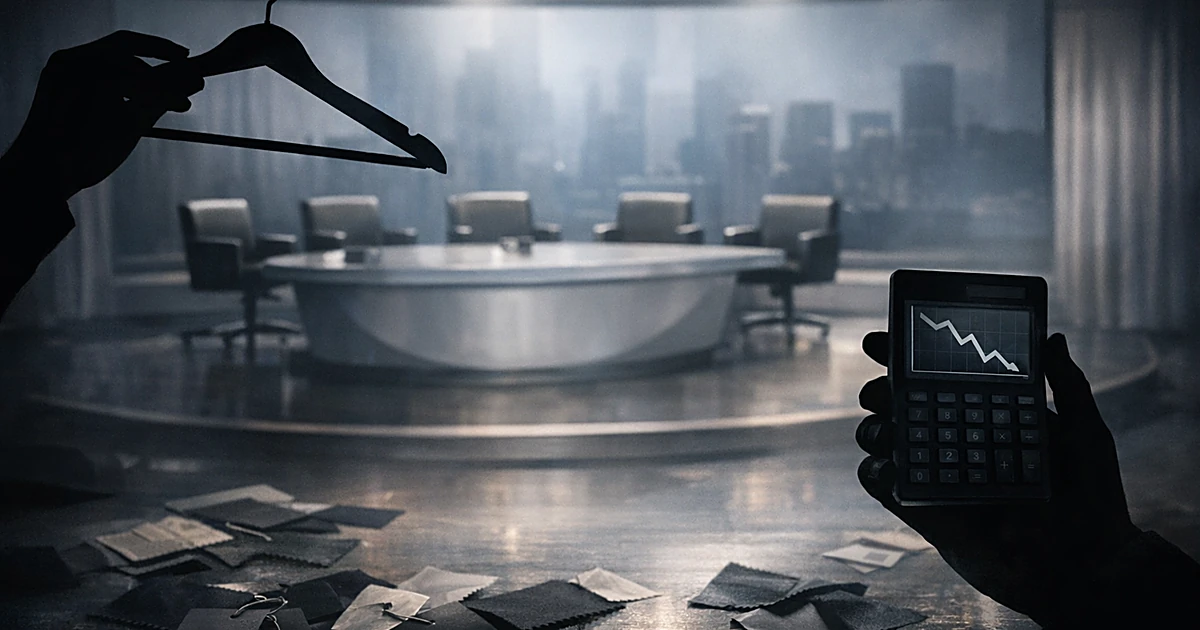
The View is facing deep cuts: pay reductions, wardrobe rollbacks, staff layoffs, and rising tension with the network.
Disney’s daytime mainstay “The View” has seen a string of cost-cutting moves that are changing the show’s look and feel. Hosts have accepted pay reductions, wardrobe funds have been sharply reduced, and at least one co-host was denied a requested raise. Those changes are happening as morale sinks and friction with ABC grows.
Several hosts took pay cuts after Season 29 premiered in September 2025, and wardrobe allowances that once underwrote designer looks have been slashed. Alyssa Farah Griffin, 37, asked for a substantial raise and was turned down, despite earning only a mid-six-figure salary compared with Whoopi Goldberg’s mid-seven-figure deal. Production choices like canceling the fan-favorite Halloween episode and moving to smaller filming space signal deeper belt-tightening.
The wardrobe rollback has hit the hosts personally and visually, reducing the show’s on-air polish. One insider framed the shift bluntly: “They’re all mad because they were all wearing really expensive designer clothes, and now it’s the same budget of a Wendy Williams-type show versus a marquee daytime show.” That quote captures how people who built prestige feel when a flagship gets treated like a lower-tier program.
Over nearly three decades “The View” has cycled big names and leaned on its reputation as ABC’s prestige daytime franchise. The program launched under Barbara Walters and later featured Joy Behar, Star Jones, Meredith Vieira, and others who helped define daytime debate TV. Cutting wardrobe and production resources undercuts that legacy and sends a message to viewers and talent alike.
Whoopi Goldberg, 70, remains the highest-paid host and keeps a premium salary, but even she is not immune to an overall smaller operation. The current six-woman panel — Goldberg, Behar, Sunny Hostin, Sara Haines, Ana Navarro, and Griffin — has watched the production shrink since Season 29 began. Joy Behar has pursued outside projects as the show’s internal budget and opportunities contract.
The downsizing runs deeper than clothes and pay. Nine employees were let go, a reduction that has contributed to cratering morale behind the scenes. Executive producer Brian Teta, who has run the show since 2017 and launched the companion podcast “Behind the Table” in 2021, reportedly urged staff to tone down anti-Trump commentary before an inauguration, a directive that added to tensions. At one point hosts were required to issue four legal disclaimers during a single November broadcast covering Trump cabinet nominees.
A production source summed the trajectory in simple terms: “They keep downsizing and downsizing and downsizing.” The tangible effects — fewer product integrations, less advertiser interest, a pared-down production footprint — are piling up. Advertisers have shifted dollars away, turning product segments that used to appear regularly into rare occurrences.
Griffin’s denied raise highlights an internal pay hierarchy that the cuts have only emphasized. As the youngest panelist called on to represent a younger viewpoint, she remains the lowest-paid host and was told no when she asked for more compensation. The contrast between her mid-six-figure pay and Goldberg’s mid-seven-figure deal is now an obvious marker of rank inside the show.
Hostin has drawn additional attention off camera after an encounter involving her son and law enforcement, a distraction that does little for a program already battling public perception. Goldberg has also made statements that landed her at odds with broad public opinion, once declaring that “nobody wants” voter ID — a claim polling suggests most Americans disagree with. Those moments feed a narrative that the panel’s positions can diverge sharply from mainstream sentiment and advertiser comfort.
ABC’s parent company is under pressure to justify programming costs across divisions, and “The View” is not exempt from that scrutiny. The loss of the Halloween special is a small-savings move that erases a piece of the show’s seasonal engagement and reduces social buzz. Network leaders appear unwilling to publicly defend the reductions or lay out a plan to restore investment, leaving hosts and staff to absorb the fallout.
The relationship between the show and network leadership is strained. “There are definitely tensions with ABC.” That tension is mutual: hosts resent pay and benefit cuts while the network balks at funding a program that is drawing less advertiser support. As filming resumes in September, more cuts are expected and the backstage atmosphere remains unsettled.
When a program alienates advertisers, the network stays quiet, and internal morale collapses, the wardrobe line item becomes the least of its problems. The practical effects of these decisions are already visible on air and behind the scenes, and the show faces a season where budget realities reshape priorities and personalities alike.

