

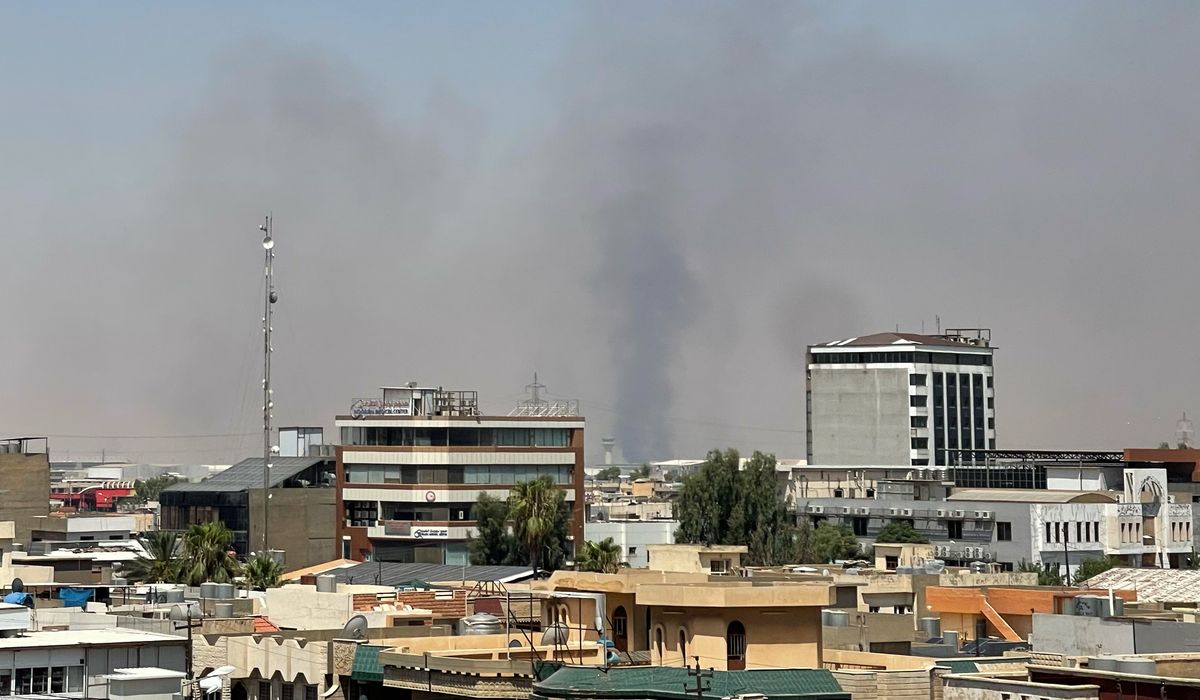
Iran reported no strikes overnight into Saturday, marking an apparent break after nearly two weeks of consecutive nights of U.S. attacks, but tensions remain high following a recent escalation over control of strategic influence in the region.
The pause in Iranian strikes offers a short window for cooling off, but this is not the same as de-escalation. U.S. forces had responded nightly for almost two weeks, and that pressure clearly shaped Tehran’s recent behavior. Americans watching this situation want clarity about what comes next and how long any lull will last.
From a Republican perspective, the pattern is a reminder that strength matters in foreign policy. When adversaries push against American interests, they test our resolve, and a steady, predictable response is the best deterrent. That steady pressure by U.S. forces over consecutive nights sent a message that reckless aggression carries consequences.
Washington now faces a choice between signaling continued resolve or appearing to step back. A pause by Iran could be tactical rather than sincere, aimed at regrouping or gauging domestic and international reaction. Our commanders and policymakers should treat such pauses with caution and not assume permanence without clear, verifiable commitments.
Protecting shipping lanes, embassies, and regional partners requires sustained attention and credible deterrence. Soft responses risk inviting further incidents that could spiral into bigger confrontations. Republicans argue that the best way to avoid prolonged conflict is to dissuade adversaries from initiating attacks in the first place, and that means maintaining capability and willingness to act.
There’s also a diplomatic angle, but diplomacy only works when backed by credible power. Negotiations without leverage tend to reward aggression. A clear posture that combines readiness with targeted diplomacy gives the United States bargaining power and helps secure long-term interests.
Critics who call for immediate disengagement forget how power vacuums are filled. When the U.S. pulls back or softens visibly, regional actors and hostile states move to exploit gaps. Maintaining an edge prevents bad actors from expanding influence and ensures allies see the U.S. as a reliable security partner.
Intelligence and on-the-ground assessments should guide decisions, not political headlines. Commanders need the flexibility to adapt to shifting tactics and to strike when and where necessary to protect American lives and assets. A Republican approach stresses that military options must remain on the table and properly resourced.
At the same time, civilian leadership must communicate clearly and honestly with the public. Americans deserve straightforward explanations about objectives, risks, and what success looks like. Transparency helps sustain public support when operations are necessary and prevents surprises that erode trust in government.
The international community observes U.S. responses closely, and allied coordination amplifies deterrence. Working with partners to share intelligence and coordinate defensive measures strengthens collective security. That cooperation also distributes costs and demonstrates that actions are not unilateral but aligned with broader stability goals.
Energy markets and global trade are sensitive to any uptick in regional violence, so stability matters for practical reasons as well. Swift, decisive action that prevents escalation protects not just national security but also economic interests at home. Republicans favor a posture that minimizes disruption by addressing threats before they metastasize.
Finally, pauses in violence should be used to reinforce preparedness and to shore up regional defenses. They are opportunities to reassess strategies, replenish stocks, and refine rules of engagement. Staying ready means being able to respond quickly if hostile activity resumes, and that readiness is the most reliable safeguard for peace.

