

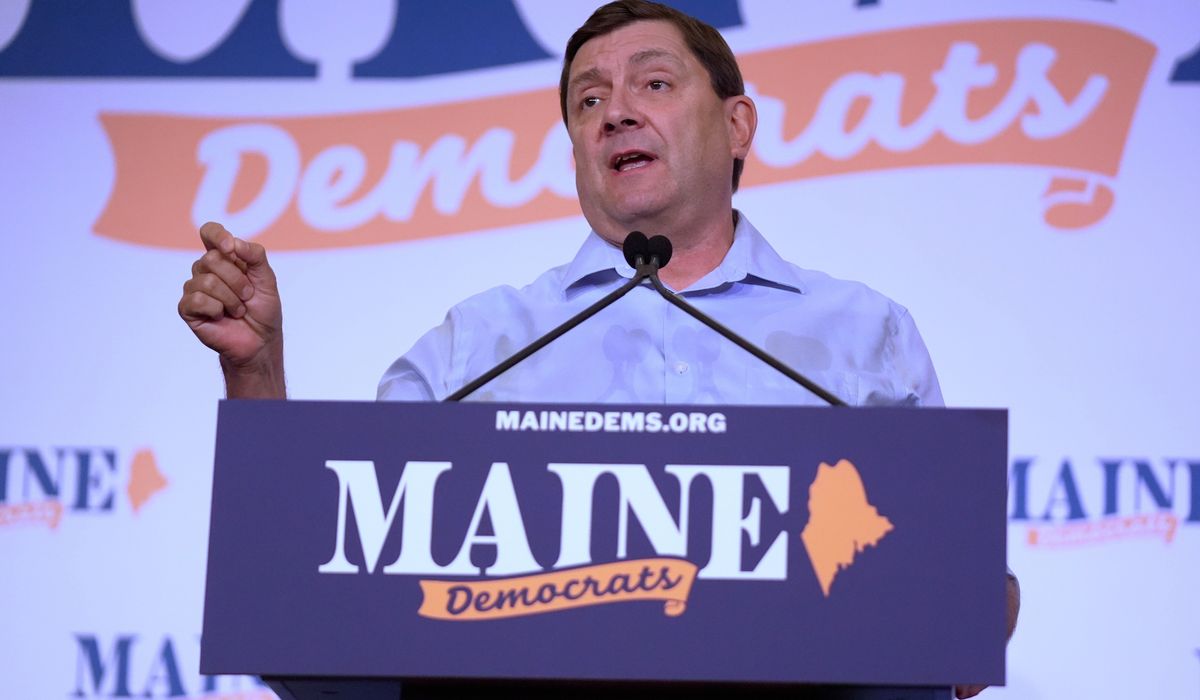
Quick summary: A prominent Democrat boosted a Maine Senate hopeful right after a rushed party nomination, raising concerns about process, transparency, and political optics.
Former Vice President Kamala Harris on Monday endorsed Maine’s Democratic U.S. Senate candidate, Troy Jackson, just two days after the state’s party used a hastily called nominating process. That timing looks bad on its face: an endorsement dropped almost immediately after a compressed internal maneuver invites questions about how decisions were made and who benefited. From a Republican perspective, the whole episode underlines a pattern of insider politics that sidelines rank-and-file voters. Voters deserve clarity about who sets the rules and why.
Republican critics argue this kind of last-minute party ruling corrodes public trust and reinforces the idea that nominations are controlled by a few, not the people. When a party pivots quickly and without wide notice, it denies ordinary voters a real say in who represents them at the ballot box. That matters because good government depends on predictable, fair procedures that everyone sees and understands. Without that, even sincere endorsements feel tainted by process problems.
Supporters of the endorsement insist it’s ordinary political theater: a national figure giving a boost to a local campaign. Still, national attention from a vice president in a smaller state magnifies any procedural awkwardness and turns what might have been routine into a headline controversy. For conservatives watching the map, the question isn’t just optics but precedent — if parties can change gears at short notice in one place, where does it stop? The integrity of nominations should not be negotiable.
Beyond process, Republicans focus on policy contrast and accountability. Whatever you think of Troy Jackson, voters deserve to hear specifics about his record on taxes, energy, and public safety rather than watch national surrogates set the narrative. The late endorsement shortcuts a more substantive debate about the candidate’s priorities and how they match Maine voters’ concerns. Political endorsements are fine, but they should amplify clear choices, not obscure them.
There’s also a practical angle Republicans point to: rushed nominations can weaken Democratic campaigns by creating internal friction and opening the door to legal or administrative challenges. A party that appears unorganized or secretive hands opponents a ready line of attack and may depress turnout among skeptical voters. For conservatives who want strong competition, keeping the opposing party honest about its own processes is a strategic plus. Elections should reward transparency and preparation, not haste.
Another concern is precedent for other states and parties. If this kind of hurried action is normalized, it sets a poor example for political conduct across the country and incentivizes similar shortcuts elsewhere. Lawmakers and party officials ought to consider the long-term cost of eroding procedural norms for a short-term advantage in a single race. Republicans will likely use this episode as a cautionary tale about the consequences of internal backroom decisions carried out without broad notice.
Media attention on high-profile figures like Harris naturally amplifies partisan reactions, and that’s exactly what happened here; a swift endorsement after a compressed process became a political lightning rod. Conservatives see the moment as an opportunity to press for clearer rules, more open meetings, and stronger protections for voters’ rights within party systems. Those reforms aren’t partisan theater — they’re about restoring confidence so elections reflect genuine choice. The goal should be to make nominations less vulnerable to last-minute maneuvers.
Ultimately, the endorsement and its timing will be judged by Maine voters and by how campaigns handle the fallout in the weeks ahead. Republicans will keep spotlighting the process questions while arguing for the kinds of reforms that prevent repeat incidents. Voters respond to clarity and consistency, and campaigns that deliver those will have the upper hand. Conversations about transparency matter more than ever in a competitive Senate landscape.

