

A new British stage adaptation set in George R.R. Martin’s fantasy universe of “Game of Thrones” finally found its footing this week, earning a standing ovation from its first audience
Theatre-goers in Britain gave a warm and unexpected welcome to a fresh stage take on the sprawling world created by George R.R. Martin. Early reactions centered on how the production compressed sprawling politics and large-scale spectacle into human-sized moments. That shift from epic to intimate is the production’s most talked-about move so far.
The creative team leaned into practical effects and focused performances rather than trying to reproduce every visual from television and novels. Actors carried the weight of the world with clear, economical choices that kept scenes moving and stakes readable. Audiences responded by applauding long and loud at the curtain call.
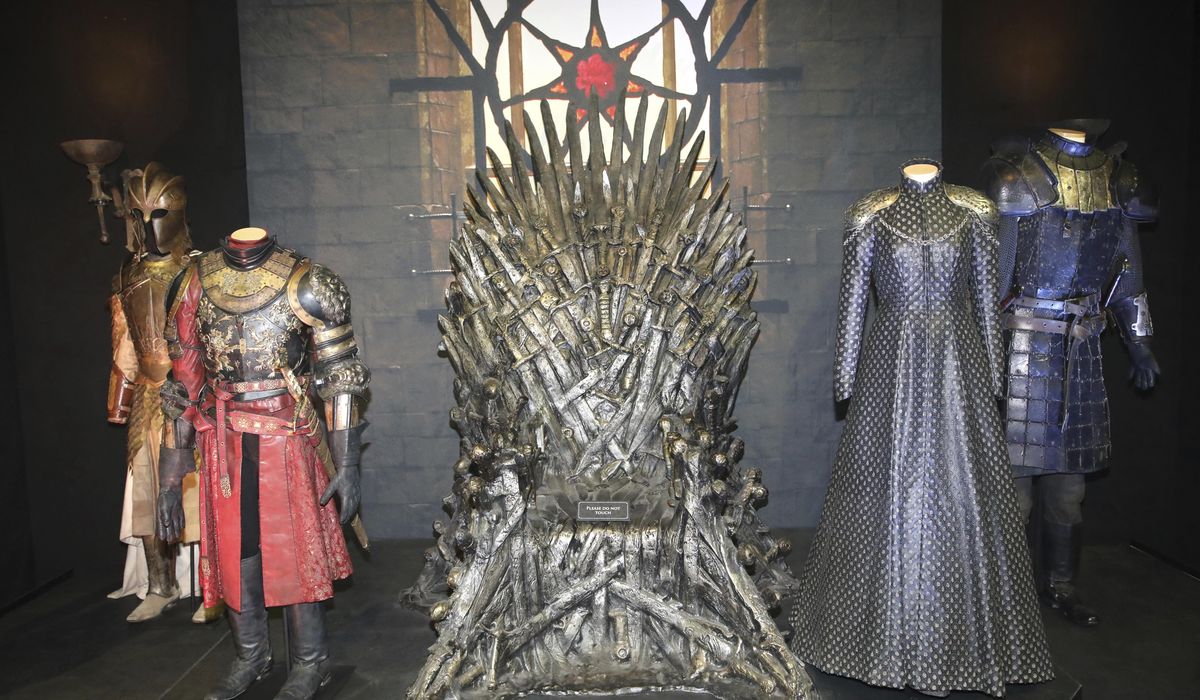
Design elements kept the vibe raw and tactile, with a stage language that favored texture over polish. Costume and set hinted at familiar houses and landscapes without slavishly copying screen imagery, which helped the adaptation breathe on its own. That restraint made key emotional beats land in ways some expected to be lost in translation.
Musical cues and sound design became a backbone for scene shifts, filling gaps where budget and physical space limited spectacle. The score used motifs and rhythms to suggest history and danger instead of showing every battle. That choice helped the production retain a sense of scope while staying stageworthy.
Directing choices emphasized simplicity: clear entrances, sharp blocking, and concentrated scenes that kept the story moving. That clarity made it easier for new viewers and die-hard fans to follow political twists and character turns. Reviews praised the pacing, saying the plot’s momentum rarely flagged during the evening.
Performances won particular notice for how they humanized familiar archetypes without flattening them into pastiche. Several actors turned moments that could have been grandstanding into quietly devastating human choices. Those small, lived-in beats prompted the standing ovation and left audience members buzzing afterward.
The adaptation is not without its challenges; compressing a vast narrative into two or three hours forces omissions that will frustrate purists. Yet the adaptation’s willingness to excise and reshape material has a purpose: to make the heart of the story visible onstage. That boldness is what critics and crowds are debating now.
Producers say the initial run will be used to refine transitions, tighten scenes, and listen to audience feedback in real time. Word-of-mouth is already circulating, and that kind of organic momentum matters more to a show like this than flashy advertising. If the creative team keeps polishing the work while preserving the emotional core, the production could settle into a lasting place on the British stage.

