

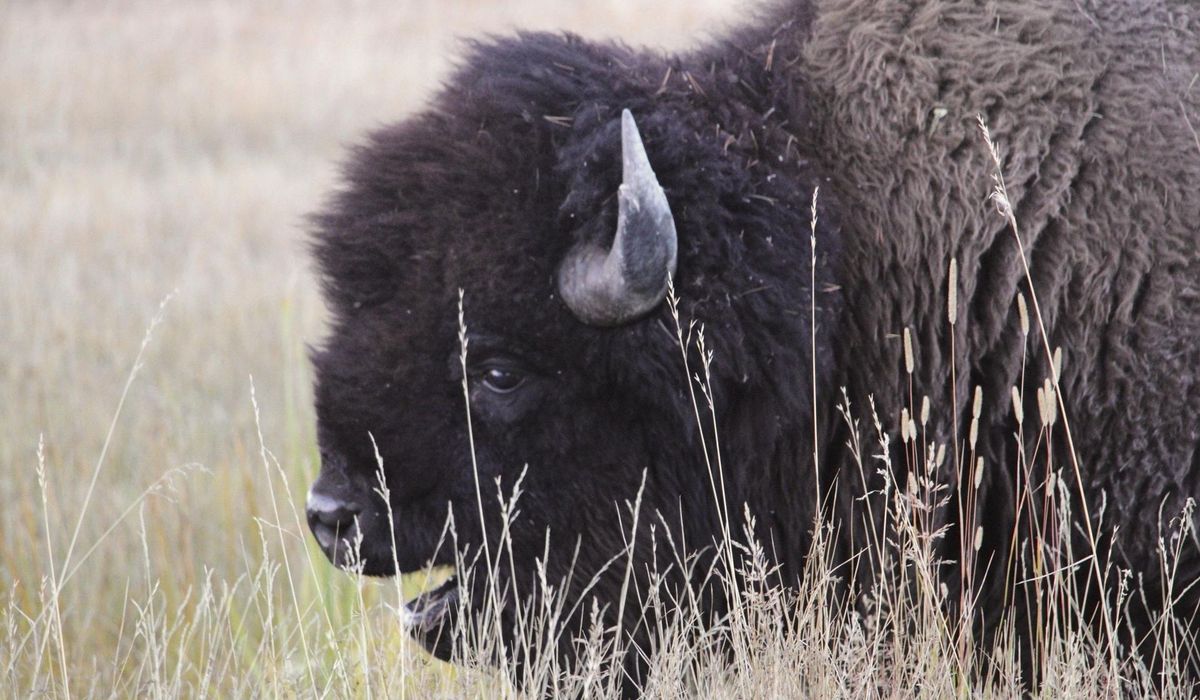
A Yellowstone visitor’s cellphone clip shows a bison briefly chase a child who wandered too close to the animal near a park boardwalk, and the footage has spread widely online.
The short video captures a tense, quick encounter on a popular trail where a child approached a bison standing close to the boardwalk. The animal charges briefly, prompting nearby people to react and pull the child back to safety. The clip has drawn attention to how fast a calm scene can escalate around wild animals.
Yellowstone’s boardwalks and viewing platforms put people near wildlife habitat, and that proximity can create risky moments. Bison may look slow and placid when grazing, but they can become defensive without much warning. A split-second decision by a person to get nearer for a photo or a better look is all it takes to provoke an aggressive response.
Visitors often rely on the instinct that animals are tame in parks, but that perception is misleading and dangerous. Wildlife in national parks are wild by definition and their behavior is unpredictable, especially when young are present or when animals are on a trail. Park rules about distance and conduct exist to prevent incidents like the one captured on the cellphone video.
Bison are surprisingly fast and powerful, capable of sprinting and turning quickly despite their size, which makes encounters especially hazardous. A family or group can be between safety and harm in the time it takes to raise a phone and lean forward for a shot. That brief distraction is what the viral clip highlights: people can misjudge risk until the animal reacts.
The reaction from bystanders in the video shows how quick cooperation and calm can prevent a worse outcome. Several people step in or call out as the child backs away, and the animal stops once it feels the threat is removed. Those responses matter, but they also underline why prevention matters more than intervention.
Parks provide clear guidance about viewing distance and safe behavior, and those guidelines are based on repeated incidents and expert observations. Keeping a buffer zone protects both visitors and animals and reduces the chance that park staff will need to intervene. When people respect that buffer, the parks remain safer and wildlife can stick to natural patterns.
Video clips like this one are part of a larger pattern of social media driving attention to risky wildlife encounters. Viral footage can be useful if it teaches viewers what not to do, but it can also inspire copycat behavior if people chase similar thrills. The best takeaway is a reminder to observe animals from a respectable distance and to prioritize safety over a dramatic shot.
Park rangers regularly brief visitors and post signs about wildlife safety, and those measures work when followed. Simple rules—staying on boardwalks, not approaching animals, supervising children closely—cut the risk of an incident dramatically. The cellphone video becomes a teachable moment only if viewers take the implied lesson seriously.
Wildlife encounters in Yellowstone and other parks will always carry some element of unpredictability, and the onus is on people to lower that variable. Respectful behavior keeps animals wild and parks open and enjoyable for everyone. The viral clip serves as a clear example of how quickly curiosity can turn into danger if distance and caution are ignored.

