

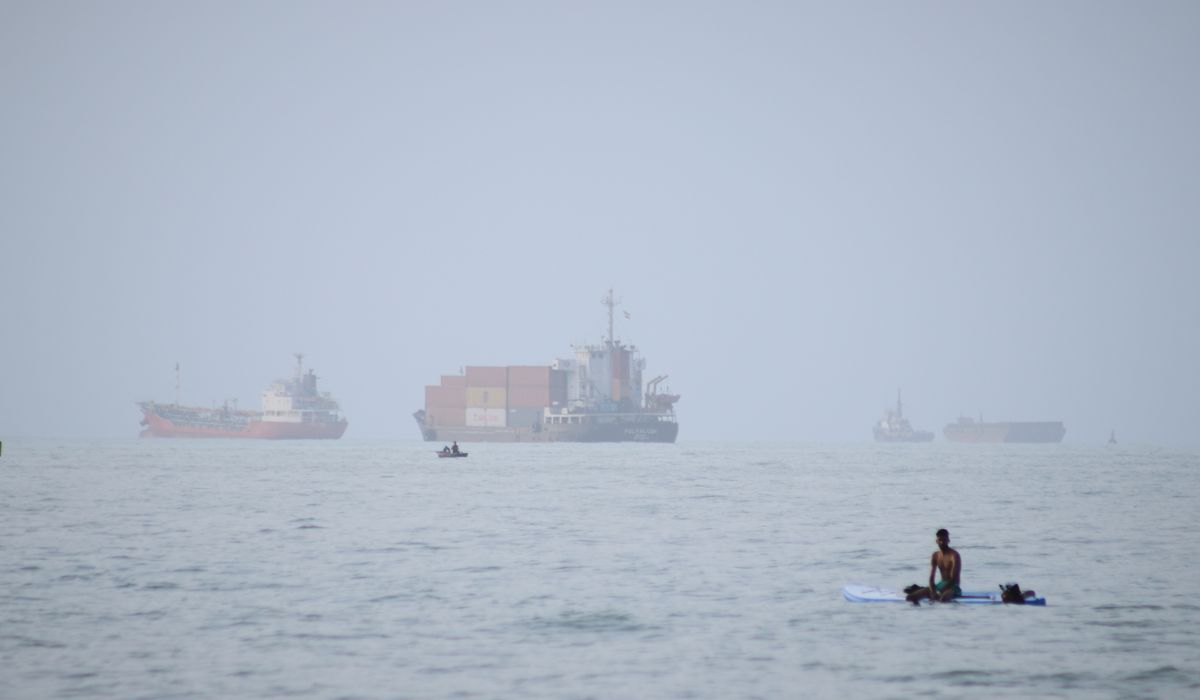
U.S. and Middle East officials said Tuesday they were zeroing in on a deal with Iran to reopen the Strait of Hormuz, easing pressure on oil markets and lifting investor confidence.
Officials from Washington and regional capitals have been talking about reopening the Strait of Hormuz, a key waterway for global energy shipments. The prospect of safer passage brought immediate relief to oil investors who had been pricing in higher risk. Markets reacted quickly once reports of progress circulated on Tuesday.
The strategic importance of the Strait of Hormuz cannot be overstated because a large share of global seaborne oil moves through that narrow corridor. Any disruption there sends shockwaves through energy markets and supply chains around the world. That vulnerability makes diplomatic and military clarity essential.
From a conservative perspective, reopening the strait is welcome only if it comes with clear, enforceable guarantees. Diplomacy without teeth risks repeated disruptions that punish consumers and weaken allies. Republican thinking leans toward verification, durable constraints, and the credible threat of consequences.
There is evidence that the market cheered news of a deal because investors saw a lower probability of sustained supply shocks. Lower risk means lower volatility for energy prices and smoother planning for businesses that depend on fuel. That translates to steadier costs for American families and a less jittery economy.
Yet markets can be fickle and headlines move faster than real-world implementation. A framework agreement is not the same as secure, continuous transit. The central test will be whether the agreement creates predictable, inspected, and monitored conditions for ships transiting the strait.
Republican policymakers will want to ensure any arrangement includes robust verification mechanisms and a role for partners who have real presence in the region. That means keeping capable naval forces on station and sustaining intelligence cooperation. It also means preserving the ability to snap sanctions back into place if violations occur.
Iran’s behavior in the past shows why skepticism is warranted; Tehran has used maritime shadowboxing and proxy pressure to pursue its aims. Any deal should not reward bad behavior or undercut pressure that protects U.S. interests. The right approach pairs negotiation with leverage, not one-sided concessions.
Regional allies have been crucial in shaping the contours of talks, and their security concerns must be part of any durable solution. Nations that rely on the strait for commerce will demand enforceable assurances. The U.S. should coordinate closely with those partners to make sure an agreement is practical and verifiable.
On the economic front, energy companies and traders will watch implementation details closely because the flow of crude and refined products determines price resilience. If shipments resume without incident, the business community will breathe easier and investment decisions will be less fraught. But any setbacks would quickly reverse the calm.
Domestic political dynamics will shape how leaders present and defend any arrangement with Iran. Republicans typically stress accountability, clear red lines, and sustained pressure to prevent backsliding. Those themes will likely dominate debates about what an acceptable deal looks like back home.
Military posture remains relevant even as diplomats engage, since freedom of navigation is enforced by presence and capability as much as by paper promises. Maintaining a credible deterrent prevents opportunistic disruptions and reassures partners in the region. Preparedness and readiness should go hand in hand with negotiation.
Ultimately, reopening the Strait of Hormuz could restore a measure of normalcy to markets and shipping lanes, but it must be built on clear, enforceable terms. A deal without verification risks temporary calm followed by renewed instability. Responsible policy combines negotiation, deterrence, and ongoing oversight to protect American interests.

