

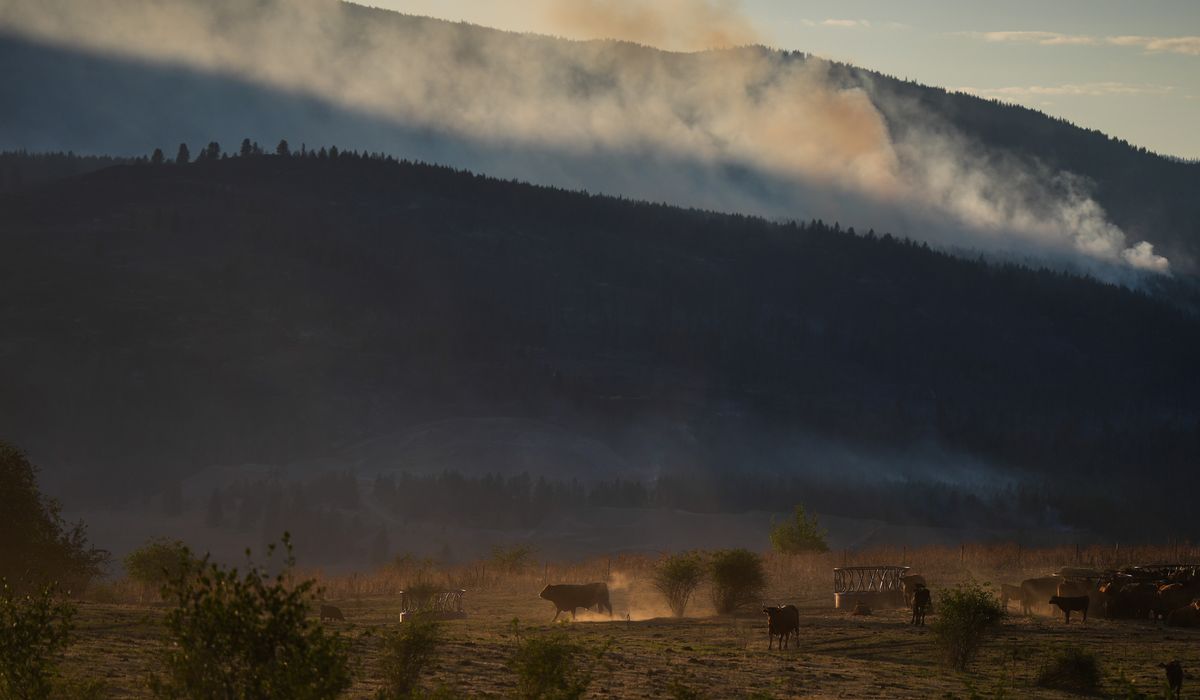
A fast-moving wildfire in western Canada tore through an Indigenous community and destroyed about 230 homes, officials said Tuesday, leaving dozens displaced and raising urgent questions about emergency response, housing loss, and recovery in a place already facing climate-driven fire risk.
The blaze moved quickly through residential areas, catching many off guard and forcing rapid evacuations as smoke and heat made conditions dangerous. Local authorities and emergency crews prioritized moving people to safety, while neighboring communities opened shelters and coordinated transport for those who lost homes. With such extensive damage, officials described the event as one of the country’s most destructive recent fires.
Emergency services described chaotic scenes as winds and dry fuel pushed flames into the heart of the community, and crews worked around the clock to contain hot spots. Firefighters from multiple jurisdictions joined with local wildland teams to establish fire lines and protect surrounding properties. Despite those efforts, the scale of property loss quickly became apparent once the flames subsided and aerial surveys began.
Residents faced an immediate scramble to find temporary housing, personal documents, and basic supplies after being evacuated with little warning. Community leaders and relief agencies set up centralized intake points to register families and assess needs, from medical attention to clothing and food. The destruction of roughly 230 houses means long-term displacement for many households and a pressing need for coordinated recovery planning.
Officials said Tuesday that investigators would work to establish a clear cause, but that determining the origin of large wildfires can take time and hinge on weather and terrain analysis. In the meantime, authorities urged caution in surrounding areas where embers and heavy smoke could spark new flare-ups. Fire managers emphasized the importance of ongoing surveillance and controlled patrols to prevent secondary ignitions as winds shift.
For the Indigenous community hit hardest, the loss extends beyond structures to cultural sites, family heirlooms, and the social glue that binds people together. Elders and knowledge keepers often carry irreplaceable items and communal records that are difficult to replace, amplifying the emotional and cultural toll. Local leaders have been vocal about the need for sensitive, community-driven recovery efforts that prioritize cultural preservation alongside rebuilding.
Climate factors and a season of elevated fire risk played into the broader context, with experts noting prolonged hot, dry weather and earlier-than-normal fire activity across the region. Those conditions create landscapes that burn hotter and faster, reducing the time available for evacuation and protection. Policymakers and emergency planners face growing pressure to reassess preparedness, evacuation routes, and resilient building standards for communities in high-risk zones.
Insurance and federal or provincial disaster relief will be central to long-term rebuilding, but many residents face gaps in coverage and complex eligibility rules that slow access to funds. Nonprofit organizations and charitable groups stepped in quickly to provide emergency grants and essential goods, while official aid programs began intake and damage verification. Rebuilding will likely be a multi-year process, requiring coordination between governments, insurers, and community authorities.
Health impacts from smoke and stress are immediate concerns, particularly for elders, children, and people with respiratory issues who were exposed during evacuations and displacement. Local clinics and public health teams established outreach to monitor vulnerable residents and distribute masks and medication. Mental health resources are also being mobilized to support trauma recovery after such a sudden and destructive event.
As assessments continue, officials are cataloging damaged infrastructure, including utilities and roadways that were affected by the fire, to restore basic services as quickly as possible. Restoring power, water, and communications is a priority so displaced families can start planning next steps. The pace of restoration will influence when and how people return, if they can, and what types of housing solutions become available.
Community leaders and emergency managers have called for transparent updates and a clear timeline for relief distribution so residents can make informed choices about housing and recovery. Coordination meetings are scheduled to align federal, provincial, and local resources with the community’s immediate and long-term needs. The coming weeks will determine the scope of reconstruction and whether new measures are implemented to reduce future fire risk for vulnerable communities.

