

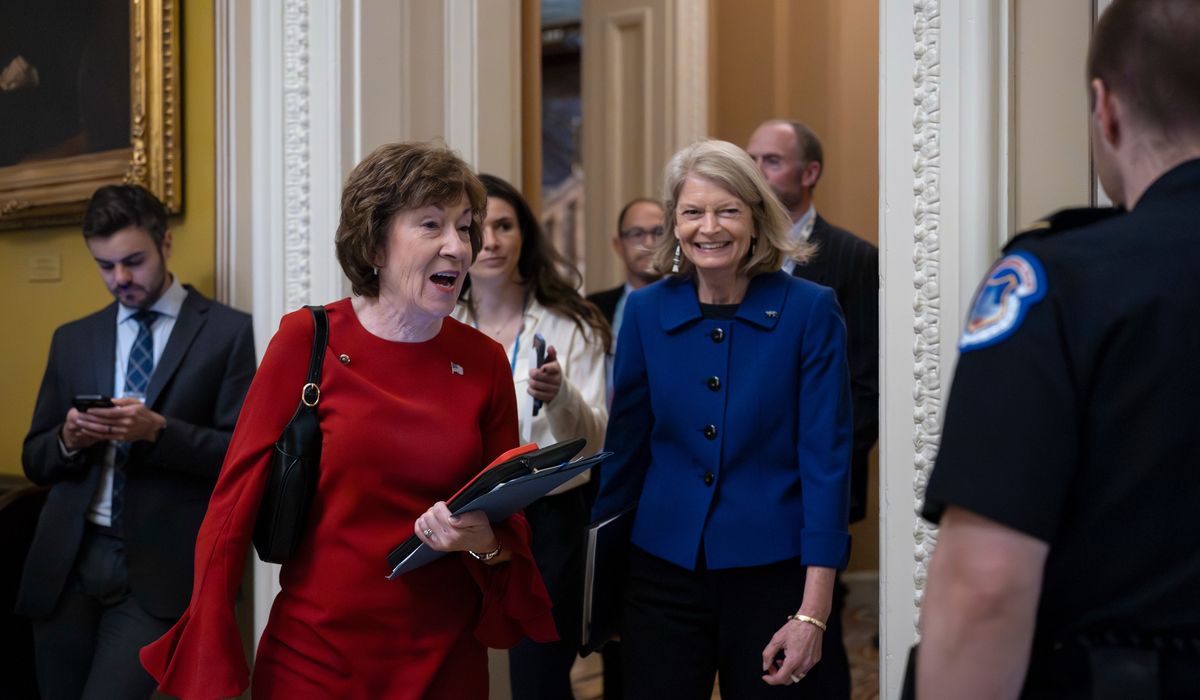
Republican Sen. Lisa Murkowski said Friday she will oppose Todd Blanche’s nomination as attorney general, narrowing the confirmation path for President Trump’s pick to lead the Justice Department.
The announcement from Senator Murkowski landed like a political earthquake inside the GOP, because a sitting Republican breaking with the president on a top Justice Department nomination changes the strategic math on Capitol Hill. Republican voters expect nominees who defend the rule of law and stand up to partisan overreach, and her opposition signals a serious headwind for the White House. That headwind matters right now because the Senate must weigh not just qualifications but the practical ability to confirm a nominee.
Todd Blanche is the president’s selection to run the Justice Department, a role that shapes federal prosecutions, civil enforcement and the guardrails around presidential power. For Republicans who want a Justice Department that enforces the law equally, the nominee’s views on prosecutorial independence and institutional norms are central. The confirmation fight will be about temperament and trust as much as about legal credentials.
Murkowski has a record of independence and that reputation is part of why this matters to Republicans beyond the immediate vote tally. Her decision narrows the path to confirmation because every GOP senator who weighs the president’s priorities against perceived departures in approach affects the outcome. That makes it harder for the White House to count on a smooth floor vote and forces campaign-style messaging to shore up support.
From a Republican perspective, this moment highlights the tension between loyalty to the agenda and scrutiny of nominees who will control powerful tools. Conservatives who back the president will argue the Justice Department needs leaders who will defend lawful elections, crack down on violent crime, and limit judicial activism that overrides statutes. Opponents within the party will insist on tougher public answers about past positions and hypothetical actions so the department does not drift from enforcing the law impartially.
The nomination will likely proceed through committee hearings where senators probe a nominee’s priorities and limits, and the floor debate can stretch for days. Republicans will need to frame Blanche as someone who will protect civil liberties while also delivering law and order, because voters do not tolerate an unseen hand guiding prosecutions for political ends. The White House will have to rally supporters and explain why this candidate fits the conservative case for a strong but constrained Justice Department.
Political optics matter as much as legal arguments. A public split within the Republican ranks hands Democrats a talking point about unity and judgment, and it gives independents a reason to ask tougher questions about the direction of the DOJ. That is why internal party conversations will be intense, and why allies of the nominee will press for clarity on controversial positions to neutralize attacks before the confirmation vote.
At the same time, the Senate remains the place where legal qualifications get weighed against political realities, and nominees often adjust testimony to build coalitions. Republicans can use this process to extract commitments, set statutory limits, and underline priorities such as combating violent crime and curbing regulatory overreach. If Blanche wants to reassure skeptical senators, the path forward will require clear answers and tangible assurances that align with conservative principles.
How this plays out over the next days and weeks will show whether the president can convert a contentious nomination into a confirmation victory despite internal opposition. The immediate effect is a more contested confirmation process that forces Republican senators to balance party unity, the rule of law, and the expectations of their voters. That tension will shape the hearings, the floor debate, and the message Republicans take into the next political cycle.

