

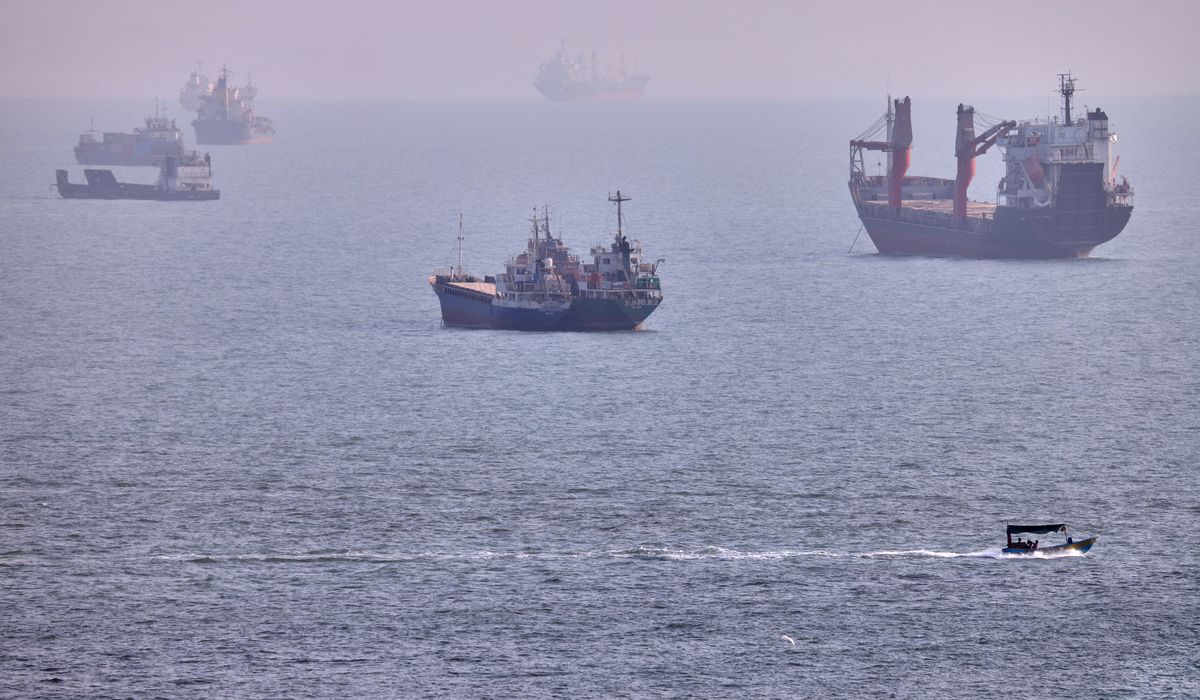
Iran has stepped up demands tied to reopening the Strait of Hormuz while regional tensions have spiked, with the United Arab Emirates reporting one of its vessels was struck by an Iranian missile and Yemen’s military carrying out attacks in the same theater.
Iran’s recent posture over the Strait of Hormuz moved from rhetoric into concrete demands, raising eyebrows across the Gulf and beyond. The Strait is a chokepoint for global trade and energy flows, so any insistence on new conditions for its reopening is not a matter for local diplomats alone. This is a strategic moment that directly affects global markets and allied security plans.
The United Arab Emirates publicly said one of its ships was targeted by an Iranian missile, a claim that elevates this from diplomatic friction to kinetic risk. Attacks on commercial or flagged shipping change the calculation for insurers, shippers, and navies watching the region. When a state is accused of striking a partner’s vessel, allies will read that as a test of resolve and a prompt to reassess posture.
Yemen’s military reportedly launched attacks in the same operational space, adding another layer of complexity to the situation. Whether those operations are coordinated, opportunistic, or separately motivated, the effect is the same: more volatility near a crucial sea lane. Multiple actors operating in close proximity increase the chance of miscalculation and unintended escalation.
The Strait of Hormuz matters because a significant percentage of the world’s seaborne oil supply transits through it, and any disruption sends immediate shock waves through energy markets. Markets respond quickly to perceived risk, which can push prices up before diplomats finish talking. That volatility hits consumers and businesses alike and raises the political stakes for governments that depend on stable energy supplies.
From a policy angle, the response needs to be clear and coordinated among partners in the region and their allies. Ambiguity invites further pressure and emboldens bad actors who test whether the international community will act. A calibrated mix of deterrence and diplomatic pressure is the typical playbook, but the precise mix must match the threat and the risks of escalation.
For maritime security, this moment underlines why navies and coast guards must maintain strong surveillance and rapid response capabilities in the Gulf. Escorting commercial traffic, improving early warning, and sharing intelligence with trusted partners reduce opportunities for surprise attacks. When commercial crews feel safe, trade flows with fewer interruptions and the cost of doing business stays under control.
Diplomats will be busy trying to thread the needle between de-escalation and holding parties accountable for strikes on civilian shipping. Meanwhile, regional governments are likely to consult on practical steps to protect their vessels and citizens. The interplay between military planning and diplomatic outreach will define whether this episode fades or becomes a longer crisis.
What happens next will depend on choices made by capitals in the Gulf and outside powers with a stake in open sea lanes and stable energy markets. If deterrence is not credible, disruptive behavior tends to continue. If the response is proportional and coordinated, there is a path back to stability without rewarding aggression.
Leaders will also be watching for unintended consequences, such as broader regional alignments or new rules imposed on passage through the Strait. Any shift that treats free navigation as negotiable would reshape commerce and security calculations far beyond the Gulf. That’s why maintaining clear principles about freedom of navigation matters as much as the immediate tactical steps taken in response to these incidents.

