

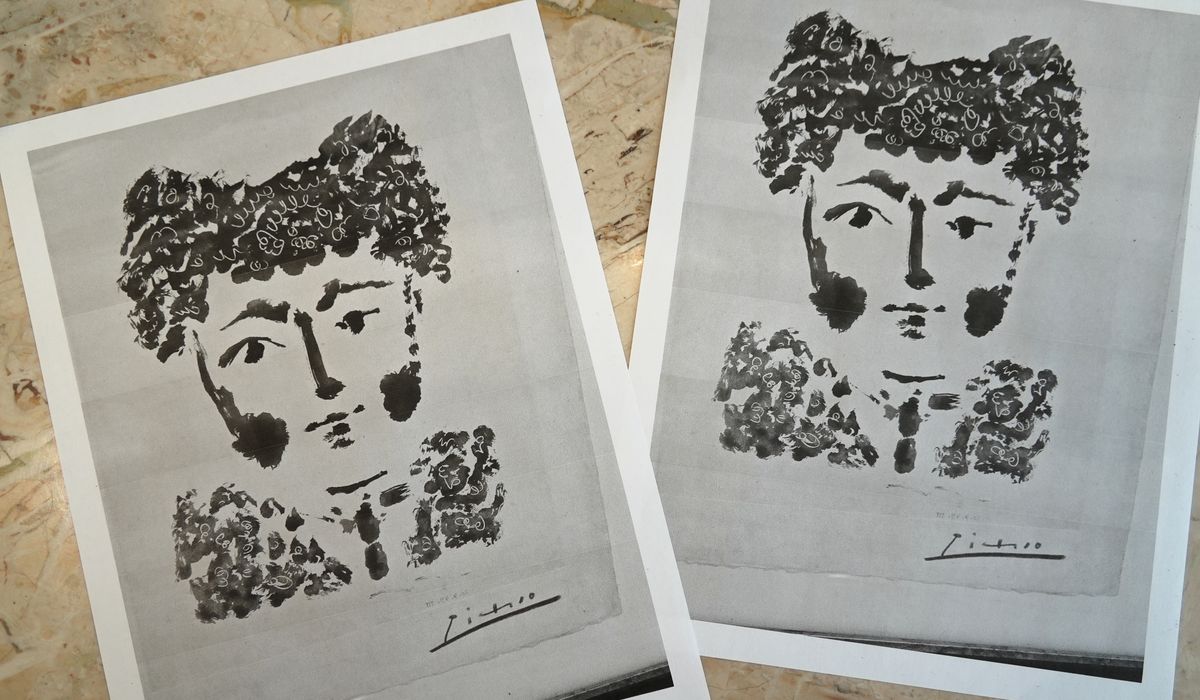
A Pablo Picasso print that vanished from a Milwaukee gallery in 2018 was recovered years later when a landlord found it and handed it over to local police, prompting renewed attention to how small galleries protect valuable works and how recoveries happen by chance.
Art disappears in ways that feel like movie plots, but this case landed in a landlord’s hands and then in police evidence. The discovery is straightforward, but the questions it raises are anything but simple. Galleries and collectors deal with a constant tension between open display and tight security.
A print by Pablo Picasso, initially stolen from a Milwaukee gallery in 2018, was found by a landlord and turned in to the local police. That single sentence carries the whole arc: theft, years of absence, and an unexpected return. It also reminds owners that lost works sometimes resurface in the least likely places.
When a landlord finds something that could be valuable, the right move is to contact the authorities, which is what happened here. Police now have custody of the piece and will follow procedure to confirm its provenance. Chain of custody and documentation matter more than ever in situations like this.
For the gallery that lost the print, the discovery can be a complicated emotional and legal moment. There is relief if the work is legitimate, but there are also practical concerns about insurance claims and ownership rights. Galleries usually need to show paperwork to establish that a recovered work should be returned to them.
Investigators will want to know how the print left the gallery in the first place and where it has been since 2018. Stolen art often moves through secondary markets or sits hidden in private collections. Those gaps in a work’s history are tricky to trace and can stretch investigations for years.
This kind of recovery also highlights the role of ordinary people in solving art crimes. Not every recovery comes from a sting operation or a police raid; sometimes someone clears out a rental property or finds an item in storage. Prompt reporting and cooperation with law enforcement make restitution more likely.
Insurance companies will be watching this case, too, because recovered works can affect past payouts. If a gallery collected an insurance settlement after the theft, there are financial steps to sort out once the object reappears. Those conversations can slow down the return process and add legal complexity.
The public reaction to recovered art tends to be a mix of curiosity and celebration, but the behind-the-scenes work rarely makes headlines. Archivists, appraisers, and detectives all play roles in verifying authenticity and ownership. Each expert adds a layer of certainty before a piece is released to its rightful keeper.
Smaller galleries, in particular, are vulnerable because they balance accessibility with limited budgets for security. This recovery is a reminder that investing in even basic protections can matter, but it also shows that luck and responsible citizens still have a role. The art world operates on both diligence and occasional serendipity.
At the end of the day, the print’s return sets a process in motion rather than a neat conclusion. Police procedures, documentation reviews, and potential legal claims will determine the next steps. For now, the discovery stands as proof that lost art can surface again, sometimes where nobody expected it to be.

