

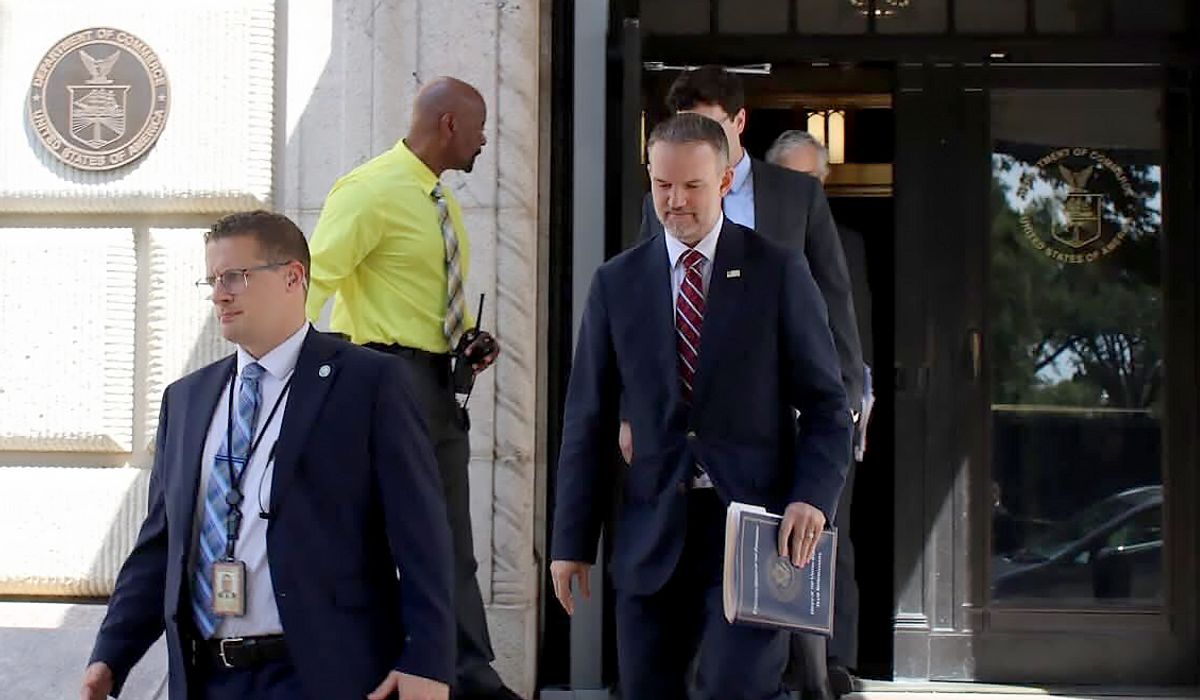
President Trump said Tuesday he was delaying 50% U.S. tariffs on $20 billion worth of Canadian imports after the two countries reached a last-minute deal hours before the sanctions were to go into effect.
The decision to delay 50% U.S. tariffs on $20 billion of Canadian goods landed as a sudden break in what had been a fast-moving trade standoff. From a Republican perspective, the pause looks like leverage that worked: powerful pressure followed by a negotiated opening instead of an immediate economic hit. Washington and Ottawa worked the phones and the meeting rooms, and the outcome slowed a costly escalation. The deal came just hours before the tariffs would have kicked in, showing how timing and firm bargaining can alter the course of a dispute.
Tariffs were set to be steep and symbolic, and the announced 50% rate would have hit a narrow but high-profile slice of Canadian exports. Those kinds of measures are meant to force tough conversations and put cards on the table quickly. Critics warned of supply chain disruptions and higher prices for American buyers, but supporters argued the threat was a legitimate negotiating tool. In this case the message was clear: the United States was willing to use economic pressure to defend its interests.
The last-minute nature of the agreement says something about the balance of power in these talks. When both sides feel the heat, deals get done; when one side is ready to accept pain, the other side often moves. That reality favors negotiators who are prepared to act decisively and who can show they mean business. Delaying the tariffs buys time to hammer out specifics and avoids the instant fallout that comes with punitive measures going into effect immediately.
For many Republicans, the episode underscores a simple principle: negotiation backed by credible consequences produces results. Economic pressure is not punishment for its own sake, it is a lever to secure fairer terms and better enforcement. The administration framed the delay as a tactical pause, not a retreat, and presented it as the outcome of successful negotiation rather than capitulation. That distinction matters politically and practically.
The deal will now be scrutinized for its substance, not just its timing. Americans want to know whether Canada offered concrete concessions on trade practices that affect U.S. industries. Questions will center on market access, regulatory barriers, and enforcement mechanisms that make agreements stick. Opponents will look for weaknesses, while supporters will point to the avoidance of immediate economic pain and the opportunity to lock in improved rules.
Political messaging around the move will also be tight. Defenders will say the administration used leverage wisely and avoided needless disruption to U.S. consumers and businesses. Skeptics will argue that threats of tariffs can create uncertainty and harm relationships with key partners. Both sides have a point, but the quick turn from announcement to agreement will be used as evidence that the pressure campaign achieved its intended effect without dragging into a prolonged conflict.
Trade policy rarely comes with clean wins and losses, and the true test will be implementation. Promises on paper mean little unless paired with monitoring and enforcement that ensure compliance. A pause in tariffs should be followed by a clear timeline and measurable benchmarks so both nations know what success looks like. If the United States gets concrete, verifiable commitments, the delay will be remembered as a smart step in a broader strategy.
Back home, businesses and lawmakers will watch closely for the ripple effects. Manufacturers, exporters, and consumers all have stakes in how the agreement shapes market conditions and costs. For Republican policymakers, this outcome can be framed as effective use of statecraft to protect American jobs and industry while avoiding unnecessary economic disruption. The next chapters will determine whether the pause becomes a durable solution or simply a temporary lull.
Either way, the episode highlights the practical side of modern trade disputes: threats, timing, and follow-through matter. A late-night agreement may calm markets for now, but it will be judged by whether commitments are enforced and whether American interests are visibly advanced. The approach shown here—combine pressure with a willingness to negotiate—will likely be cited as a model for future dealings where leverage and results both count.

