

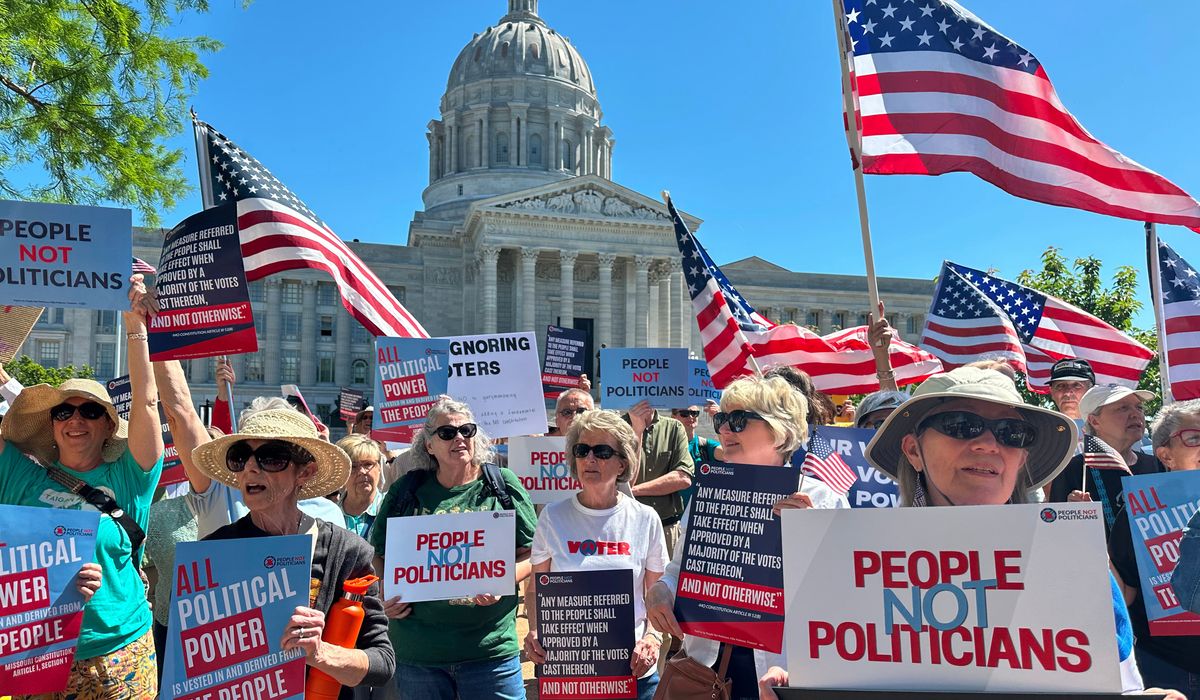
A Missouri judge has cleared new U.S. House districts backed by President Donald Trump for use in the November elections, turning aside an effort to put the Republican-friendly map to a statewide vote.
The court’s ruling keeps the new congressional lines in place for the upcoming election and removes immediate uncertainty for candidates and voters. Supporters hailed the decision as a win for orderly elections and for maps that reflect Missouri’s political realities.
The approved districts were promoted as part of a plan to ensure fair representation and to reflect population changes since the last census. From a Republican perspective, the maps correct imbalances and give voters a clear choice, not a court-created outcome that would confuse ballots weeks from Election Day.
Opponents pushed to delay implementation by forcing a statewide vote, arguing that the new boundaries favored Republicans and deserved a public referendum. The judge rejected that bid, finding the challenge did not meet the legal standards required to halt the maps before ballots are finalized.
Keeping the map in place matters to campaigns that have already invested time and resources under the new lines. Candidates, staff, and volunteers can now focus on door knocking, messaging, and turnout instead of emergency legal maneuvers and last-minute voter rolls changes.
Republicans argue the decision respects the role of legislatures in drawing districts and prevents judges from overriding political choices except in clear constitutional violations. That view holds that courts should not substitute their judgment for elected officials unless there is a proven legal defect that harms voters’ rights.
Critics will likely continue to press their case through the legal system or through political means, but the immediate effect is stability heading into November. For now, election officials can proceed with printing ballots, setting polling plans, and certifying candidates without the shadow of a pending statewide referendum.
The ruling also sends a message about how courts may handle redistricting disputes close to an election, emphasizing the practical impact of timing on voter access and election administration. From this standpoint, maintaining consistent rules in the run-up to voting day protects the process from last-minute disruptions that could leave voters scrambling.
Voters will get to decide in November under the lines the judge approved, and campaigns will have the chance to compete under clear, finalized districts. The decision keeps the focus on retail politics and turnout rather than on procedural fights in courtrooms, which benefits the candidates who are best at connecting with voters on issues that matter to them.

