

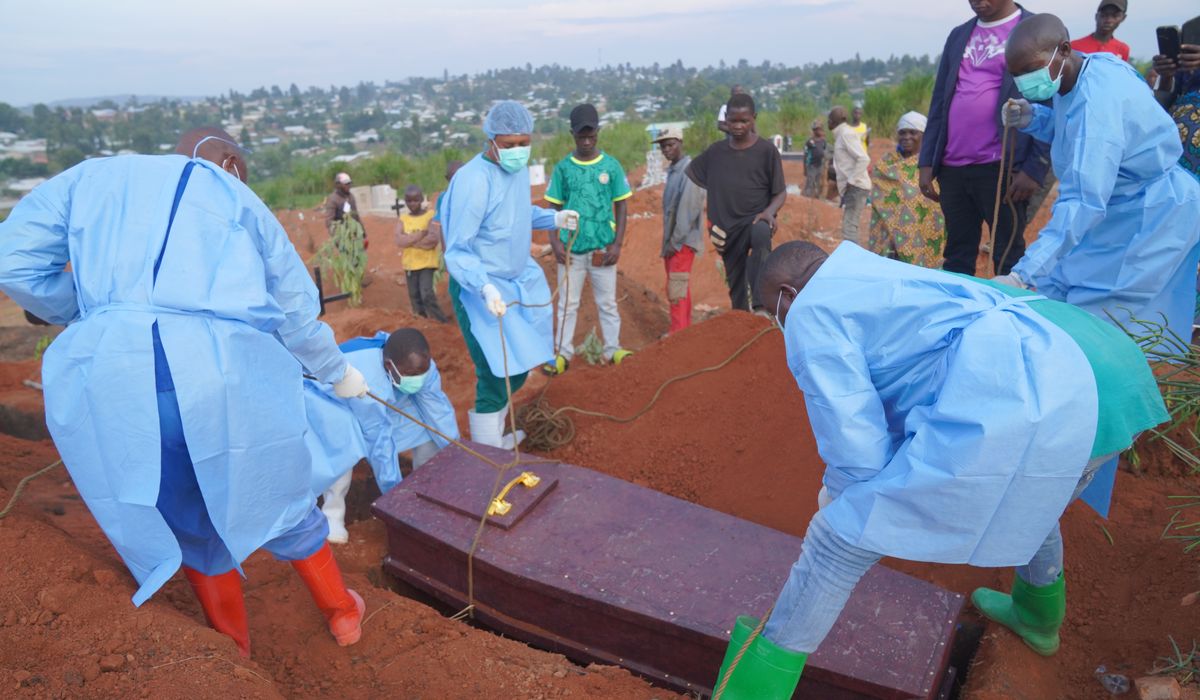
Health authorities say Congo will get 70,000 doses of the Ervebo vaccine, a measure tied to previous outbreak control efforts and announced by the World Health Organization and partners as a significant development.
The World Health Organization and partners said Thursday that Congo will receive 70,000 doses of the Ervebo vaccine, a tool that has been effective in past Ebola outbreaks. That allocation is meant to support rapid response and targeted vaccination where cases are detected. Officials view the move as a key step in stopping chains of transmission quickly.
Ervebo has been used in emergency responses before, and its track record in ring vaccination has reduced spread when teams reached contacts and contacts of contacts. Health teams aim to deploy those doses to hotspots and to health workers who face higher exposure risks. The strategy depends on fast case identification and outreach into affected communities.
Logistics matter almost as much as the vaccine itself, because Ervebo requires careful cold storage and precise handling from shipment to administration. Field clinics will need reliable refrigeration and trained staff to manage doses and keep records. Supply chain gaps or delays can blunt the impact of even a large shipment of doses.
Surveillance and testing must move at the same speed as immunization if the response is going to work, since vaccines are targeted around confirmed cases. Rapid diagnostics, contact tracing and community reporting are the engines that tell response teams where to use the doses. Without strong surveillance, vaccines risk sitting idle or being misallocated.
Community trust is another critical piece, because vaccinations have to be offered in places where people believe the response teams and understand why they are being vaccinated. Outreach that explains the vaccine, addresses concerns, and respects local customs will shape uptake. When communities cooperate, ring vaccination has repeatedly reduced onward transmission.
Health workers are high priority for vaccination because they face repeated exposure and are essential to keeping clinics open and treating other illnesses. Protecting medical staff reduces the risk of nosocomial transmission and preserves the local care capacity. That protection also helps maintain routine health services during an outbreak response.
The decision to send 70,000 doses reflects both epidemiology and preparedness planning, aiming to cover immediate needs and prepare for possible spread. It does not mean every dose will be used at once; some will be staged for rapid deployment as situations evolve. Stockpiles like this give response teams flexibility to target emerging clusters promptly.
International coordination plays a role since vaccine distribution often involves multiple agencies, transport partners and governments working together. Clear chains of command and communication lines are needed to get doses from central stores into the field within days. When coordination falters, response speed suffers and cases can grow.
Monitoring safety and effectiveness in real time continues even after doses leave central stores, with teams tracking adverse events and confirming that vaccination follows protocols. That ongoing surveillance assures both regulators and local communities that the response is transparent and data-driven. It also feeds lessons back into future outbreak planning.
Ultimately, vaccine shipments are one part of a broader public health approach that includes testing, treatment, surveillance and community engagement. When those elements work together, vaccines like Ervebo have helped bring outbreaks under control. The recent allocation to Congo is intended to strengthen that combined effort and give response teams concrete tools to act quickly.

