

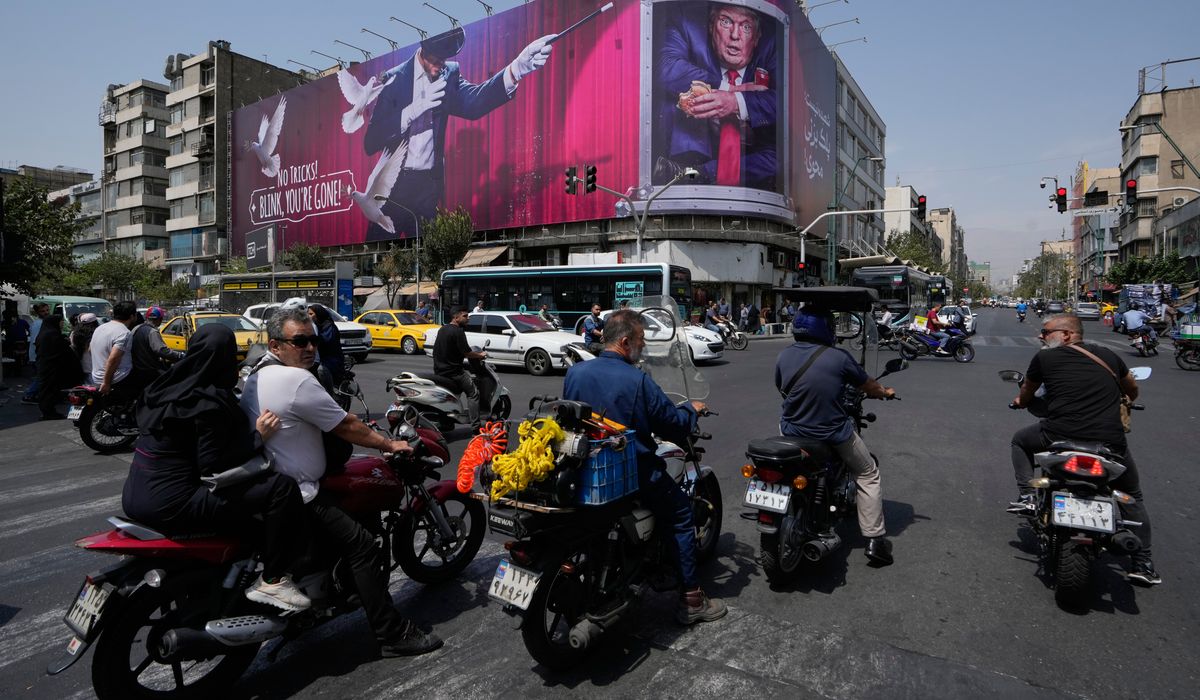
President Trump sharply condemned Iran after overnight strikes on U.S. bases in the Middle East and pledged a retaliatory response this week while U.S. forces assess the situation and leaders weigh next moves.
President Trump on Monday railed against the Iranian leadership and promised to hit back at Iran this week after Tehran launched attacks on U.S. military bases in the Middle East overnight. His comments came as commanders began gathering facts and as military and civilian officials coordinated a measured response. The reaction from the White House was blunt and public, designed to make clear a counterpunch was likely and to signal resolve to allies and adversaries alike.
The attacks targeted American positions in the region, prompting immediate alarm inside the Pentagon and at diplomatic posts. Details about the scope and nature of the strikes remained under review, with commanders prioritizing the safety of personnel and the integrity of critical infrastructure. Early reports emphasized the need to verify damage and to distinguish between direct hits and near misses before drawing final conclusions.
Trump’s promise to retaliate this week reflects a deliberate choice to respond quickly while keeping options open on scale and timing. The administration framed the response as necessary to restore deterrence and to prevent further provocations that would endanger U.S. service members. Officials stressed that a measured but forceful reply can stop a spiral of escalation while maintaining the credibility of American commitments in the region.
From a conservative perspective, showing strength matters when adversaries test red lines. Supporters argue that a clear, timely response reinforces deterrence and protects American influence across the Middle East. That view holds that weakness invites more danger, so an administration willing to take decisive action signals to Tehran and other hostile actors that attacks will carry consequences.
At the same time, policymakers face real choices about proportionality and the risks of widening the fight. Planners must weigh the immediate military gains of a strike against the potential political and humanitarian fallout. Regional partners and allies will watch closely, and the administration will likely coordinate with those partners to limit unintended consequences while preserving the option to strike effectively.
Assessments of damage and casualty reports are central to shaping the response, and officials said teams were compiling that information. Medical and logistics personnel stayed on alert to handle potential casualties, while intelligence teams worked to pinpoint the origin and chain of command behind the attacks. Clear, confirmed facts will guide the decision on whether to use targeted strikes, cyber tools, or sanctions as the first steps of retaliation.
On Capitol Hill, conservative lawmakers and national security voices were quick to back the president’s stance, arguing that failure to retaliate would undermine U.S. deterrence. Those voices called for a robust plan that protects troops and America’s strategic interests without getting bogged down in endless occupation or mission creep. The debate among Republicans focused on achieving a balance: act decisively, but avoid an open-ended commitment with no clear objective.
Looking ahead, the administration faces a narrow window to act this week if it wants to maintain the element of surprise and to respond while the issue is front and center. Any action will be watched for its tone and scale, and for whether it restores deterrence or escalates hostilities. For now, the message from the president and his team is straightforward: attacks on U.S. forces will not go unanswered, and the United States will take steps it deems necessary to defend its people and interests in the region.

