

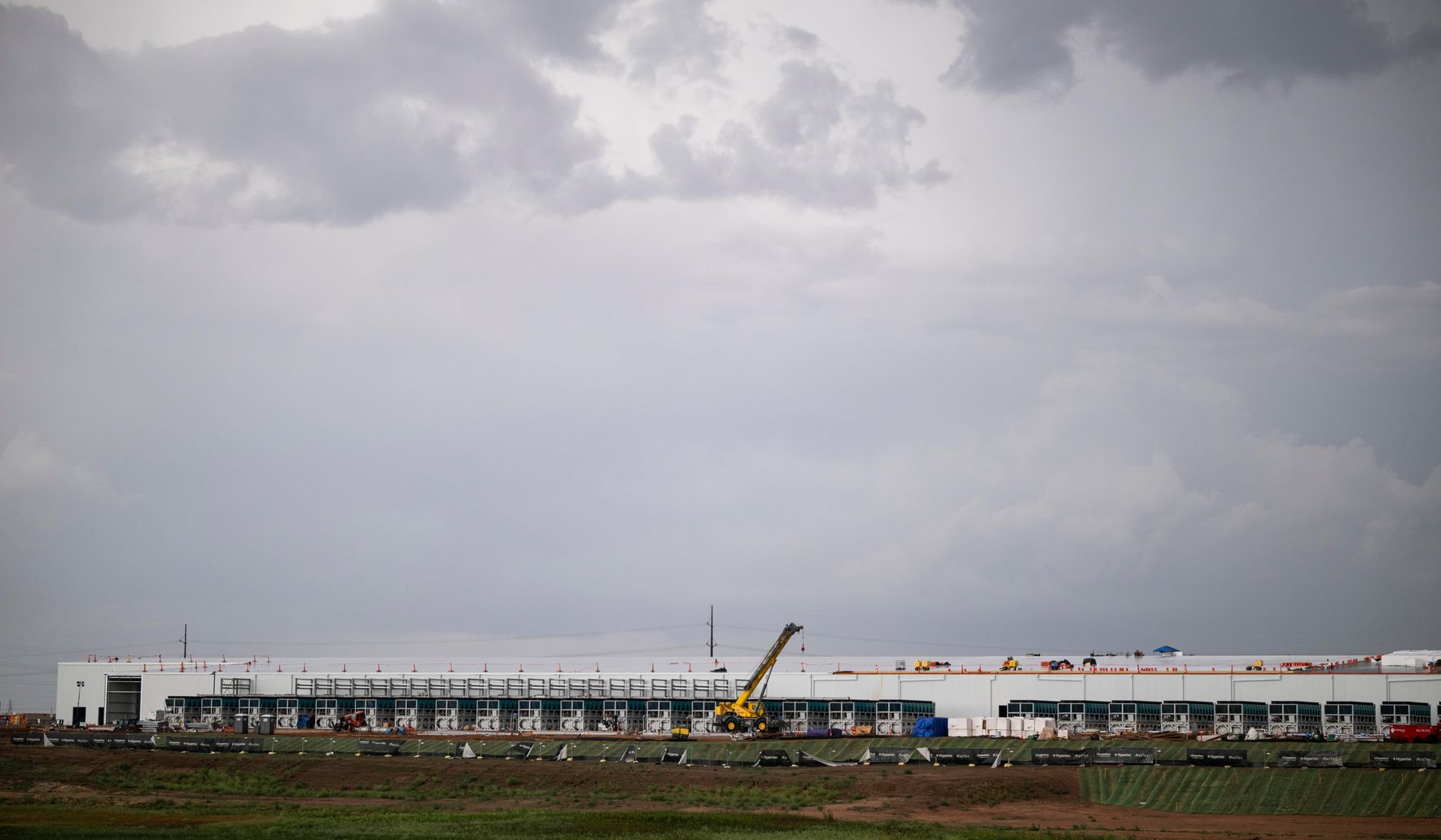
The debate over where and how to build data centers has exploded into public view, focused on power, land use, and local impacts. The fight over data centers is suddenly everywhere on the airwaves. This piece walks through the tensions and tradeoffs that local communities, utilities, and companies are facing as digital demand surges.
Data centers are the backbone of modern services, running everything from streaming video to critical business systems, and their scale is getting harder to ignore. That growth brings fast-moving conflicts around electricity needs, grid upgrades, and whether communities should prioritize industrial land for servers or for housing and farming. Local officials are under pressure to balance economic promises with neighborhood concerns, and those decisions shape who benefits and who bears the cost.
Power consumption is the headline issue: large facilities can require the equivalent of a small town’s electricity, pushing utilities to invest in transmission and generation upgrades. Those grid projects are expensive and slow, and they expose a mismatch between private demand and public infrastructure planning. Ratepayers and taxpayers want clarity on who pays for what, while operators insist that predictable energy access is essential for reliability and business planning.
Water and cooling add another layer of complexity, especially in regions with constrained resources. Some data centers use substantial water for cooling, which draws scrutiny in drought-prone areas and in communities that rely on the same supplies for agriculture. Alternatives like air cooling, immersion cooling, or locating near abundant renewable generation can help, but they often increase costs or require different siting choices.
Zoning and land-use fights are now constant in town halls as residents react to proposals for massive, windowless buildings on valuable parcels. People worry about lost tax dollars that could come from other types of development, traffic impacts, and the visual character of neighborhoods. Cities are rethinking their comprehensive plans and industrial designations to preserve future options while still courting high-tech investment.
Despite the controversies, data centers do offer economic benefits: construction jobs, ongoing facility maintenance roles, and potential tax revenue. But those benefits vary widely by project and jurisdiction, and the jobs created often require specialized skills that local workforces may not immediately supply. Communities increasingly ask for workforce commitments, apprenticeships, and local hiring guarantees as part of project approvals.
Environmental debates cut both ways. Operators argue that modern facilities are becoming greener through efficiency gains, power purchase agreements for renewables, and investments in on-site storage. Critics point to embodied carbon from construction, landfill impacts from decommissioned equipment, and the challenge of matching intermittent clean energy with always-on loads. Practical mitigation includes energy efficiency standards, reuse of waste heat for district systems, and mandatory decommissioning plans.
Policy tools are being tested in many states and municipalities: conditional permits, impact fees, utility interconnection rules, and tax incentives shaped specifically for digital infrastructure. Those tools can steer projects toward better locations and cleaner energy but can also introduce uncertainty that chills investment. Smart policy design balances clear rules with predictable timelines so both communities and companies can plan effectively.
Grid modernization and flexibility will be crucial to reconcile demand with climate and local priorities. Batteries, demand response programs, and on-site renewables help smooth peaks and reduce stress on long-distance transmission. Coordinated planning between utilities, regulators, and local governments can unlock solutions that preserve reliability, limit costs, and reduce the need to build on scarce land.
Community engagement matters more than ever: transparent conversations about impacts, commitments to local benefits, and enforceable agreements reduce friction. When towns see tangible gains—training programs, neighborhood investments, or infrastructure improvements—support is more likely. Without clear, enforceable promises, projects become flashpoints in political debates and court fights.
At the same time, the strategic value of data centers for commerce and national competitiveness is obvious, raising the stakes for policymakers. Thoughtful siting, stronger environmental safeguards, and modernized grid policy can allow growth without needless conflict. The real test will be whether planners and operators can build resilient digital infrastructure while respecting local priorities and environmental limits.

