

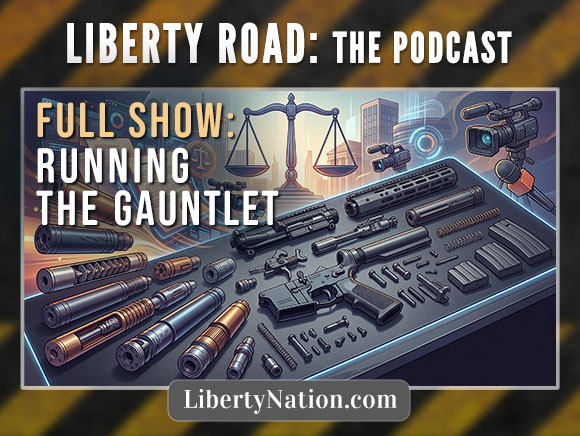
Gun rights are being recast in real time, with debates over technology, law, and culture front and center.
Scott Cosenza and Graham Noble get deep into the latest news on Second Amendment rights. “From suppressors to AR-15s.” The conversation lands on practical realities, legal fights, and the messaging that will decide public opinion going forward.
The current moment feels like a reset rather than an upheaval: courts, statehouses, and the public are sorting out what responsible ownership looks like. From a Republican point of view, that means protecting constitutional rights while insisting on clear, enforceable rules that keep firearms out of the hands of criminals. The tone of the debate matters as much as the law.
Suppressors are a prime example of that nuance. To many gun owners they are a common-sense safety and hearing-protection tool used in hunting and range work, yet they remain controversial in public discussion. Republicans argue for normalizing responsible ownership and reducing needless stigma while ensuring transparency in transfers and background checks where appropriate.
AR-15 style rifles are another flashpoint and a convenient symbol for those who want to restrict access broadly. The technology behind the platform is widely available and used for sport, hunting, and home defense by countless law-abiding citizens. The Republican stance pushes back on treating a firearm platform as inherently criminal and instead calls for focused measures that target dangerous behavior.
Legally, the battle plays out at multiple levels, with states experimenting with different regulatory mixes and courts still defining the boundaries of the Second Amendment. Republicans favor restoring and safeguarding rights through state-level reforms, permit reciprocity for law-abiding people, and judicial appointments that respect originalist readings of the Constitution. Those moves aim to create predictability rather than patchwork confusion for owners and law enforcement.
The market has also responded: optics, safes, training programs, and accessories have improved dramatically over the past decade. That evolution makes safe ownership easier and more sustainable, and it gives conservative policymakers tangible, non-legislative tools to promote safety. Republicans often highlight voluntary standards and industry-led improvements as effective alternatives to blunt regulatory approaches.
Messaging is a political front as much as legal strategy. Republicans in this space are framing the issue around personal responsibility, deterrence, and individual liberty, while demanding that laws focus on punishing criminal actors. That approach reframes the conversation away from fear and toward accountability, which can attract undecided voters who want safety without sweeping bans.
Media coverage and social narratives complicate the public’s understanding; sensational headlines flatten nuance and feed polarized reactions. The videocast format, as Scott and Graham demonstrate, allows more time to unpack evidence, separate facts from emotion, and press advocates on realistic outcomes. A calmer, fact-driven conversation helps voters see trade-offs instead of soundbites.
On the ground, practical measures matter: lawful ownership paired with training, secure storage, and community-based safety programs lowers risk and strengthens credibility for defenders of gun rights. Emphasizing local relationships between owners, ranges, and law enforcement builds trust and reduces the temptation for one-size-fits-all mandates. Those are the kinds of real-world solutions that often get lost in national headlines.
The debate will keep evolving as technology, court decisions, and political coalitions shift. Coverage that focuses on specifics — legal standards, safety tech, and the incentives that change behavior — will shape outcomes more than emotional arguments. Viewers who want clarity should watch how these discussions unfold and weigh which policies actually improve public safety while respecting constitutional protections.

