

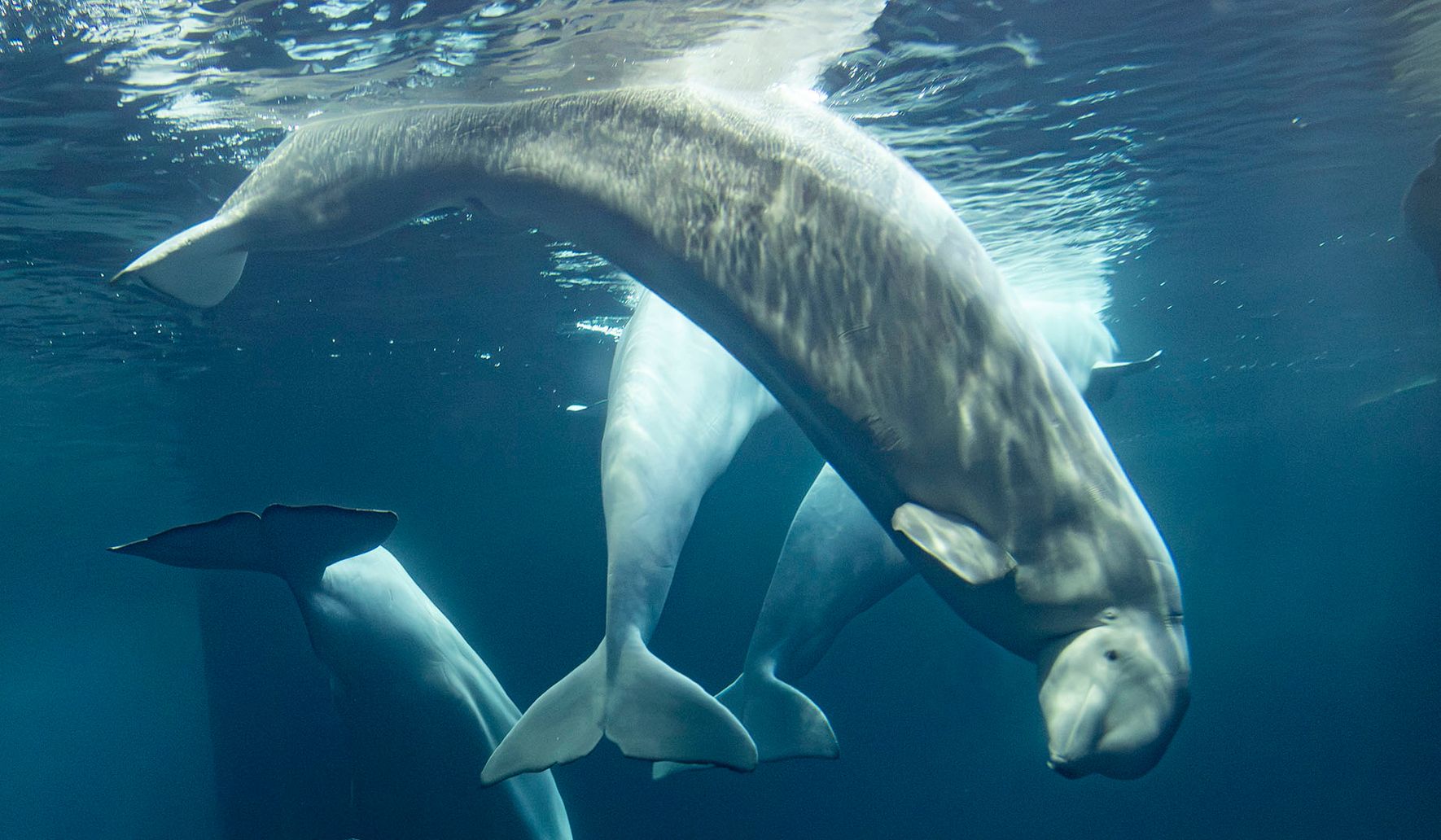
Two beluga whales have died at Chicago’s Shedd Aquarium, including one that had been rehomed there just weeks earlier as part of an international effort to rescue Canada’s last cap
The news that two beluga whales died at the Shedd Aquarium in Chicago has renewed attention on efforts to move and care for captive marine mammals. One of the whales had arrived only weeks earlier after being rehomed in an international attempt to protect what organizers described as Canada’s last cap. Details remain limited, and the situation raises questions about how such transfers are planned and carried out.
The deaths come amid heightened scrutiny of captive whales and the ethics of moving large marine animals across borders. Rehoming operations are complex, involving veterinary clearance, transport logistics, and post-arrival acclimation, and even small complications can have serious consequences. The public reaction is likely to include calls for transparency from institutions involved in such exchanges.
Aquariums and rescue groups often argue that international transfers can give animals better conditions or a chance at improved care, especially when source facilities are closing or facing other pressures. Opponents counter that the stress of capture, travel, and new environments can outweigh potential benefits. This debate over risk versus benefit is central to how the public and professionals evaluate any mortality after a transfer.
When institutions rehome animals, they typically coordinate with veterinarians, regulators, and transport specialists to manage risk and document procedures. Still, the exact causes of deaths in these cases can take time to establish, and preliminary statements rarely offer a full medical picture. Thorough investigations and timely reporting help the public understand whether systemic problems or unavoidable complications were to blame.
Beluga whales in captivity have attracted attention because of their social needs and intelligence, which can make relocation and adjustment particularly challenging. Successful rehoming requires not only clinical care but also careful monitoring of social dynamics among resident and newcomer animals. Observers will be watching for follow-up reports on whether other residents show signs of distress or behavioral change.
Regulatory agencies and professional animal welfare organizations often set standards for transport and post-transfer monitoring, but enforcement and oversight can vary. The presence of international partners adds layers of permitting and coordination that can slow information sharing. Clear, public documentation of permits, health checks, and contingency plans helps build trust when things go wrong.
Beyond the immediate questions about cause of death, there are broader implications for how zoos and aquariums manage populations of marine mammals. Institutions must balance conservation goals, public education, and the well-being of individual animals. Each incident of mortality prompts a reassessment of whether current practices meet modern ethical and scientific expectations.
Families of animals and the professionals charged with their care confront difficult decisions when facilities close or when a species faces threats in its native habitat. Rehoming can be seen as an emergency measure, but it should be executed with the same rigor as any major medical intervention. The loss of two animals, including a recent arrival, underscores the stakes involved in those choices.
Public trust in aquariums and rescue groups depends on candid communication after incidents like these, including what steps are being taken to determine cause and prevent recurrence. Independent review or third-party oversight can help ensure that lessons are learned and applied. The institutions involved will need to show how they will address gaps or failures identified through investigation.
Media coverage and advocacy groups will likely continue to press for more information and for policy changes if patterns of harm are detected. Meanwhile, conversations about the future of marine mammals in human care are likely to intensify, with new proposals and standards emerging from both scientific and public interest communities. The outcomes of inquiries into these deaths may influence how similar transfers are handled going forward.
For now, the immediate focus remains on understanding what happened in Chicago and on ensuring that remaining animals receive careful evaluation and care. Authorities and the institutions involved will need to provide clear updates as investigations proceed. The broader debates about captivity, conservation, and animal welfare will continue to shape responses and policy decisions.

