

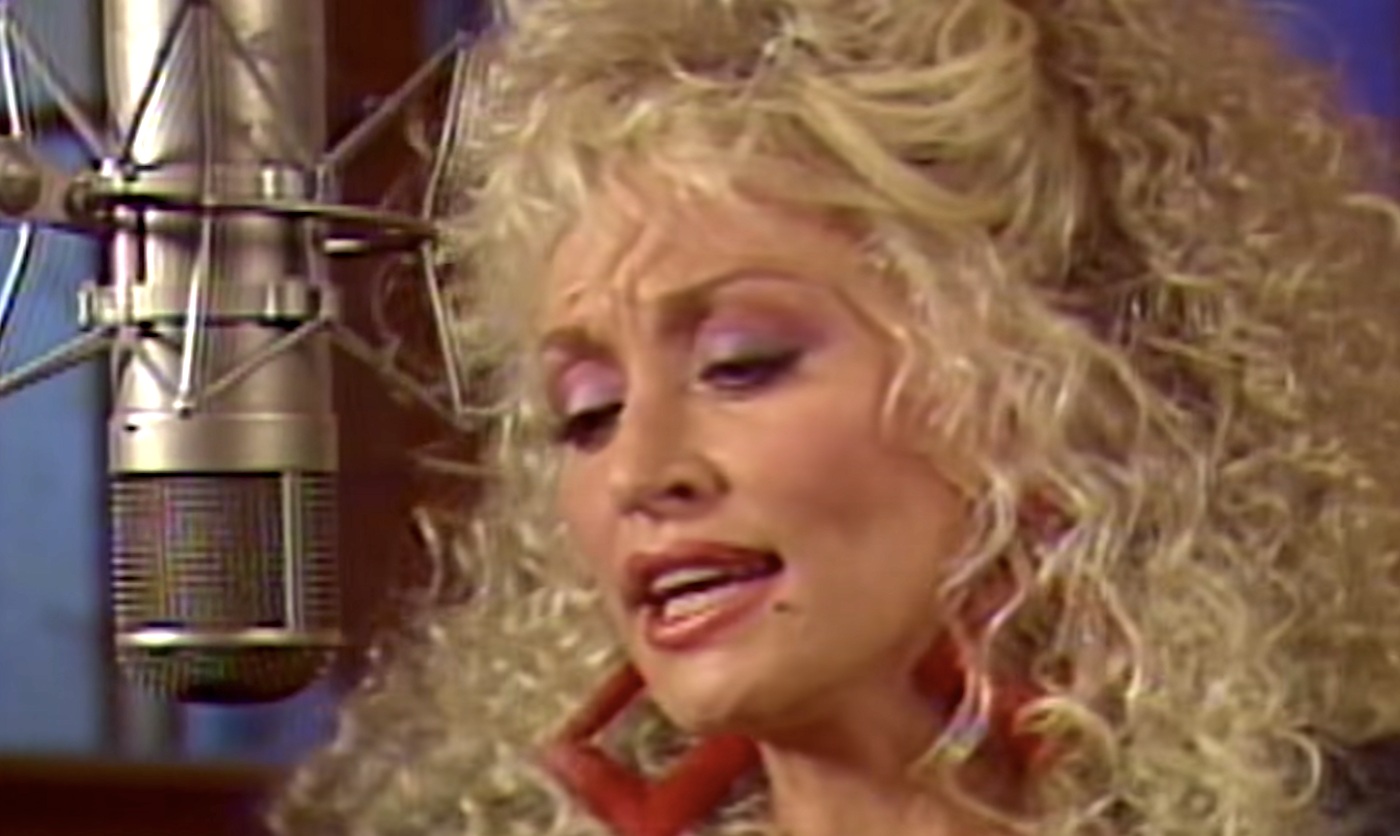
Movies and records froze Dolly, Curry, and Cullen in time, turning performances into permanent records that keep their work alive even as the industry’s appetite for that kind of star power has faded.
There was a moment when a great performer could change a culture with one movie or one record, and Dolly, Curry, and Cullen lived in that moment. Their work was recorded, distributed, and replayed until it sank into the fabric of everyday life, making them feel present long after new acts arrived. That kind of lasting visibility is rare now, because the system around talent has shifted in ways that do not favor sustained, singular careers.
The entertainment business today rewards speed and churn more than depth, and that matters when you compare past icons to modern players. Studios and labels chase algorithms, short-term metrics, and trends that burn hot and then vanish. When decision makers treat hits like disposable content, performers who build nuanced, long-running careers find fewer natural places to land and grow.
Part of the equation is how we consume culture, and streaming changed the rules overnight. In the past, a hit record or a hit movie could live in rotation for years on radio and TV, letting audiences form strong, lasting connections. Now everything competes for attention in a never-ending feed, and even brilliant work can be buried under the next wave of content.
Another issue is the way risk has been narrowed in Hollywood and in music. Big studios and major labels often prefer predictable formulas, familiar IP, and quick returns, which squeezes out projects centered on unique voices. That approach discourages investment in artists who need time to develop a loyal, deep audience rather than an instant viral spike.
The talents of Dolly, Curry, and Cullen felt essential because their work carried personality, craft, and a clear point of view. Those qualities are not extinct, but the channels that used to amplify them have become more fragmented. When promotion is splintered across a dozen platforms and marketing budgets favor short bursts over long campaigns, the steady build of a legendary career becomes harder to engineer.
We also have to reckon with how nostalgia functions in a modern culture obsessed with novelty. Audiences still return to what they love, which is why archival films and classic albums have enduring value, yet current tastes are often steered by influencers and platform mechanics rather than organic cultural momentum. That skews the landscape toward repeatable formulas and moments designed to be clipped, not to last.
There’s a human element too: artists who become household names in the old model had room to grow publicly and to make mistakes while their audience stayed with them. Today, the pressure to be fully formed at launch is intense, and the margin for a slow-burn rise is thin. That dynamic narrows the type of careers that can reach the same kind of cultural permanence.
At the same time, technology preserves these artists in ways previous generations never had, which explains the paradox. Recordings and films keep Dolly, Curry, and Cullen alive in playlists and streaming catalogs, so new listeners can discover them decades later. Preservation gives them a second life even if the industry that created them has moved on to a different rhythm.
The gap between past icons and present prospects also reflects changing business incentives, audience habits, and platform design. Those forces reshape how talent is discovered, nurtured, and remembered, often privileging immediate engagement over long-term legacy. That means the next wave of culturally dominant stars will likely need to navigate a very different path than the one those three followed.
Still, recorded work has the power to immortalize a performer, and that is the saving grace of this moment: movies and records can fix a performance in time so future listeners and viewers keep returning. That permanence is not guaranteed by industry trends, but it offers a durable bridge between eras, letting the voices of certain artists keep speaking to audiences even when the broader system favors the new over the steady.

