

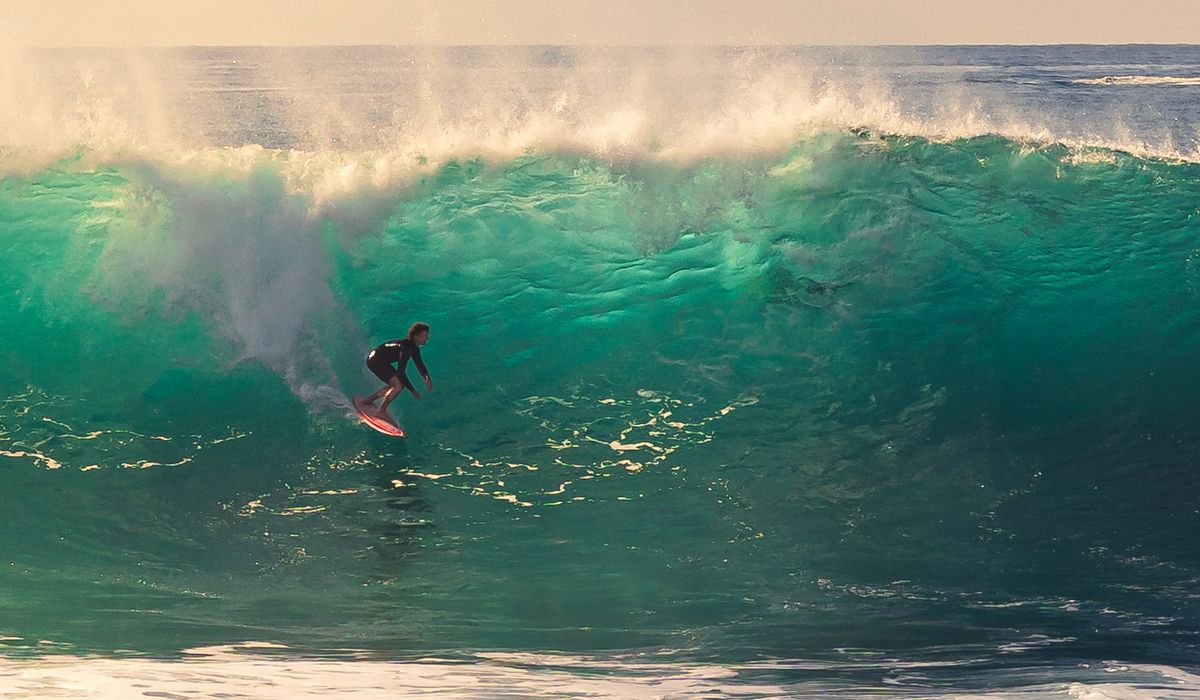
Hurricane Marie, though well out in the Pacific, sent powerful swell into southern California over Labor Day weekend, producing flooding, dangerous surf and strong currents that threatened swimmers and shoreline areas.
Hurricane Marie remained far offshore while its ocean energy traveled west to east and arrived along parts of the southern California coast, where it produced hazardous conditions over Labor Day weekend. Beaches that are normally calm saw unusual surge and big, long-period waves pushing water well up the sand and into built-up areas. Officials described the situation as flooding and dangerous conditions at some beaches with strong currents and huge waves presenting a clear threat to anyone near the water.
The mechanics were straightforward: a distant hurricane sends concentrated wave energy across thousands of miles, and when that energy reaches a coastline it translates into larger-than-normal surf and unpredictable swells. Even though the storm center stayed far from shore, the swell period and wave direction amplified surf height along exposed stretches of coastline. Those long-period swells are especially good at generating powerful shorebreak and rip currents that can catch people off guard.
On the sand, waves that arrive in sets can push water into low-lying spots and around jetties, creating localized flooding and debris lines where the sea briefly overtops normal high-tide marks. That surge can lift up sand, move anchored objects and make walking along the waterline unstable. The most visible hazard, however, was the combination of huge waves and the rapid, strong currents that pull out past the break, which increase the odds of swimmers being dragged into deeper water.
Local lifeguards and beach staff monitored conditions and placed warnings where surf and current patterns were deemed unsafe, and those messages tended to be the only clear barrier between visitors and exposure to the surf. Many regular beachgoers shifted activities away from the water while a smaller set of thrill-seekers and experienced surfers scanned for large but rideable sets. The contrast between caution and curiosity underscored how storms far at sea can still affect everyday coastal life back onshore.
The timing over a holiday weekend amplified the human element, bringing larger crowds to coastlines that might otherwise have been sparse, which in turn complicated public-safety efforts. With more people on beaches, the probability that someone would ignore warnings and enter hazardous surf goes up, and that means more eyes, more potential incidents and more demand on rescue resources. That strain shows how a single distant storm can ripple into local staffing and response decisions during peak beach-use days.
Beyond immediate impacts, the episode highlighted the steady way oceanic processes connect distant weather to local hazards, and how coastal planning and awareness need to account for that reach. High surf events driven by distant hurricanes can accelerate erosion on vulnerable stretches, rearrange sandbars and sometimes leave infrastructure at higher risk during spring tides or storm surges. Those aftereffects are often gradual but they begin with a single, powerful set of waves arriving when conditions align, as they did over Labor Day weekend.

