

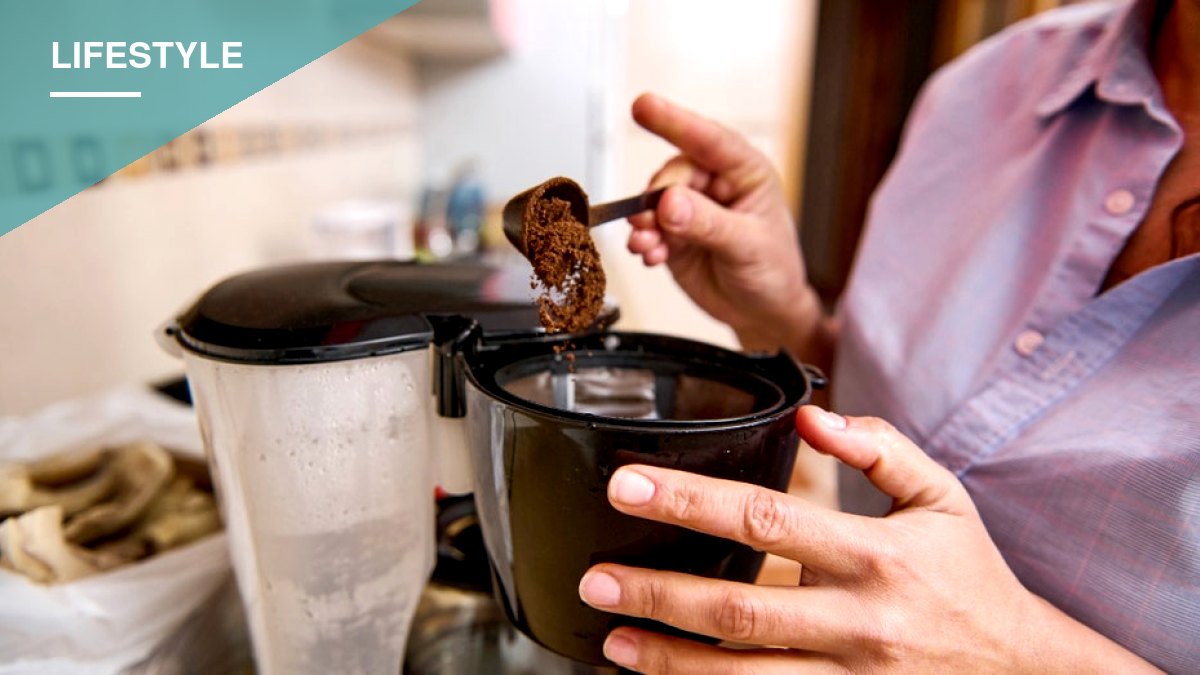
Viral warnings about mold and bacteria lurking inside home coffee makers have been circulating widely, but a California coffee expert says most of that anxiety is misplaced.
Heather Perry, the California-based CEO of Klatch Coffee and a two-time U.S. Barista Champion, told Fox News Digital that cleanliness matters far more for flavor than for safety.
“Coffee equipment cleanliness has way more importance when it comes to the flavor and the way it impacts it than [as] a true safety issue. Coffee is totally fine to be type B about.”
Perry pushed back directly on recent scare stories. “You do not at all need to be worried at home about mold and bacteria,” she said. “It is incredibly low on the list of things to worry about, in my opinion, when it comes to coffee equipment.”
She was similarly dismissive of coffee bags marketed as “tested for mold,” calling the label “100% a marketing thing.”
What Actually Deserves Your Attention
Instead of panicking over bacteria, Perry said home brewers should focus on the pot itself, since residue there directly affects taste. “Once that’s in your pot, you’re gonna taste that in your cups,” she said.
Insulated thermos-style carafes are particularly prone to hidden staining. “Those thermos pots are where I think we find a lot of coffee stains are staying, and that will absolutely begin to affect the flavor of that coffee,” Perry said.
Hard water can also take a toll over time, affecting both machine performance and taste. Perry offered a simple way to judge whether your coffee maker needs attention: look at your plumbing fixtures. “Whatever you see in your sink faucets, your showerheads — that’s what’s happening with your coffee brewer,” she said.
Good Water, Good Beans
Perry recommended using filtered water at home, or bottled water in regions with especially hard tap water. She advised against distilled or reverse-osmosis water, which strips out the minerals that help carry coffee’s flavor. “Coffee [is] 98% water, you want good water, and you want it to have enough minerals because that’s what the coffee flavor sticks to,” she said.
For those who grind their own beans, Perry said grinders don’t require constant deep cleaning, but owners should periodically check the hopper and grounds area for an oily film. “I would absolutely make sure you’re wiping that out with a dry paper towel. Get the coffee oils off of it,” she said. A shift in smell — “not that fresh coffee smell, it’s that old coffee smell” — is a sign it’s time to clean, she added, noting that oils left too long become harder to remove.
Skip the Fridge
Perry also debunked the common habit of storing coffee grounds in the refrigerator, saying grounds there can absorb moisture and nearby odors. “Your freezer is actually a better preservative,” she said. But for most home drinkers, even that step is unnecessary. “Leave the one bag out that you’re using right now. As long as you’re consuming it within a month, it’s going to be fine,” she said.
Ultimately, Perry said the two factors that matter most are simple. “Start with really good ingredients … Coffee and water are absolutely going to be your two biggest starting points,” she said.

