

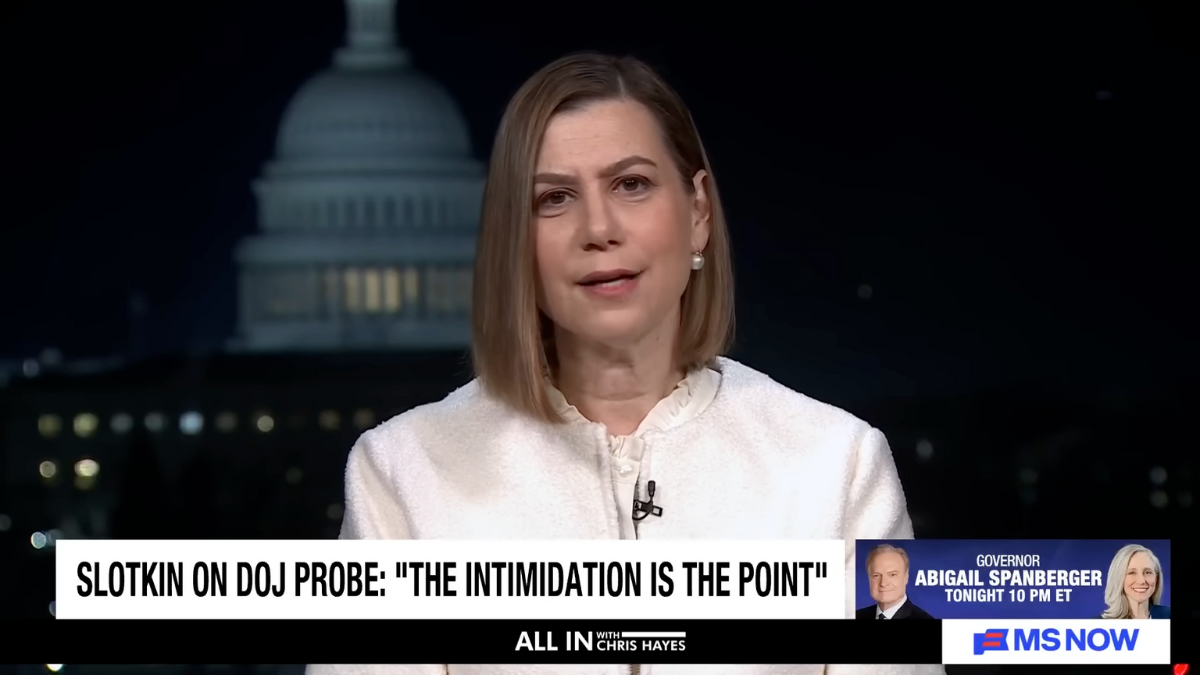
The article examines a sharp clash between a group labeled the ‘Seditious Six’ and an administration that chose a public, confrontational response rather than quiet containment.
“The ‘Seditious Six’ called for a mutiny, and the administration decided to ‘go on offense and make them tap-dance a little.'” That line captures a moment where rhetoric and posture became policy, and it tells you a lot about tone and intent. From a Republican viewpoint, the phrase signals a need to call out disloyalty and insist on consequences. The language also raises questions about balance between political theater and genuine accountability.
Labeling a group as the ‘Seditious Six’ is charged by design, and Republicans should be clear eyed about what that label does politically. It focuses attention and forces the debate onto whether actions crossed legal or ethical lines. At the same time, using inflammatory labels can escalate conflict and give opponents cover to play victim. The choice to go on offense feeds media cycles but does not substitute for prosecutions or hearings when warranted.
Going on offense can be smart politics when you want to seize the narrative and keep momentum. If wrongdoing is evident, making the actors explain themselves under pressure can expose contradictions and fractures. Republicans prefer direct action that pairs messaging with concrete mechanisms like oversight or legal referrals. Doing so keeps the response from becoming mere spectacle.
Accountability must be more than sound bites, and that is where conservative principles line up with tough rhetoric. Rule of law matters regardless of which side of the aisle people sit on, and firm consequences deter future breaches of trust. Republicans should push for transparent processes that reveal facts, not secret deals that protect insiders. That approach strengthens institutions and restores voter confidence.
At the same time, keep an eye on optics. The phrase about making them “tap-dance” highlights a performative element that can backfire if it looks vindictive. Republicans gain credibility when their actions match their public claims of fairness and principle. Overreaching for political theater risks alienating swing voters who want steady governance. Smart strategy holds miscreants accountable while keeping the moral high ground.
There is also a practical angle. If the administration intends to pressure people into changing testimony or behavior, legal protections and whistleblower rules must be preserved. Republicans should insist that pressure does not become coercion and that constitutional rights are respected. Effective oversight relies on documented evidence, not just public shaming. Building a case through facts makes any eventual punishments harder to dismiss as partisan.
Messaging matters in this fight because public opinion will shape what officials can do. The administration’s decision to go on offense signals confidence that it can control the narrative, but narratives shift quickly. Republicans should aim to frame the issue around stability, law, and national interest. Keep the conversation about what preserves American institutions rather than settling for headline grabs.
Finally, voters will judge whether actions taken were necessary or performative. A Republican approach that combines toughness with procedural fairness resonates with the public more than theater alone. Demand transparency, insist on evidence, and press for outcomes consistent with the rule of law. That path avoids hollow victories and builds sustainable public trust.
For now, the phrase echoes as both a description and a warning: loud tactics can expose rot, but they can also create new problems if not paired with discipline and facts. Republicans should welcome accountability that is thorough and fair, and they should resist anything that substitutes spectacle for substance. The country deserves processes that are rigorous, principled, and visible to the public.

