

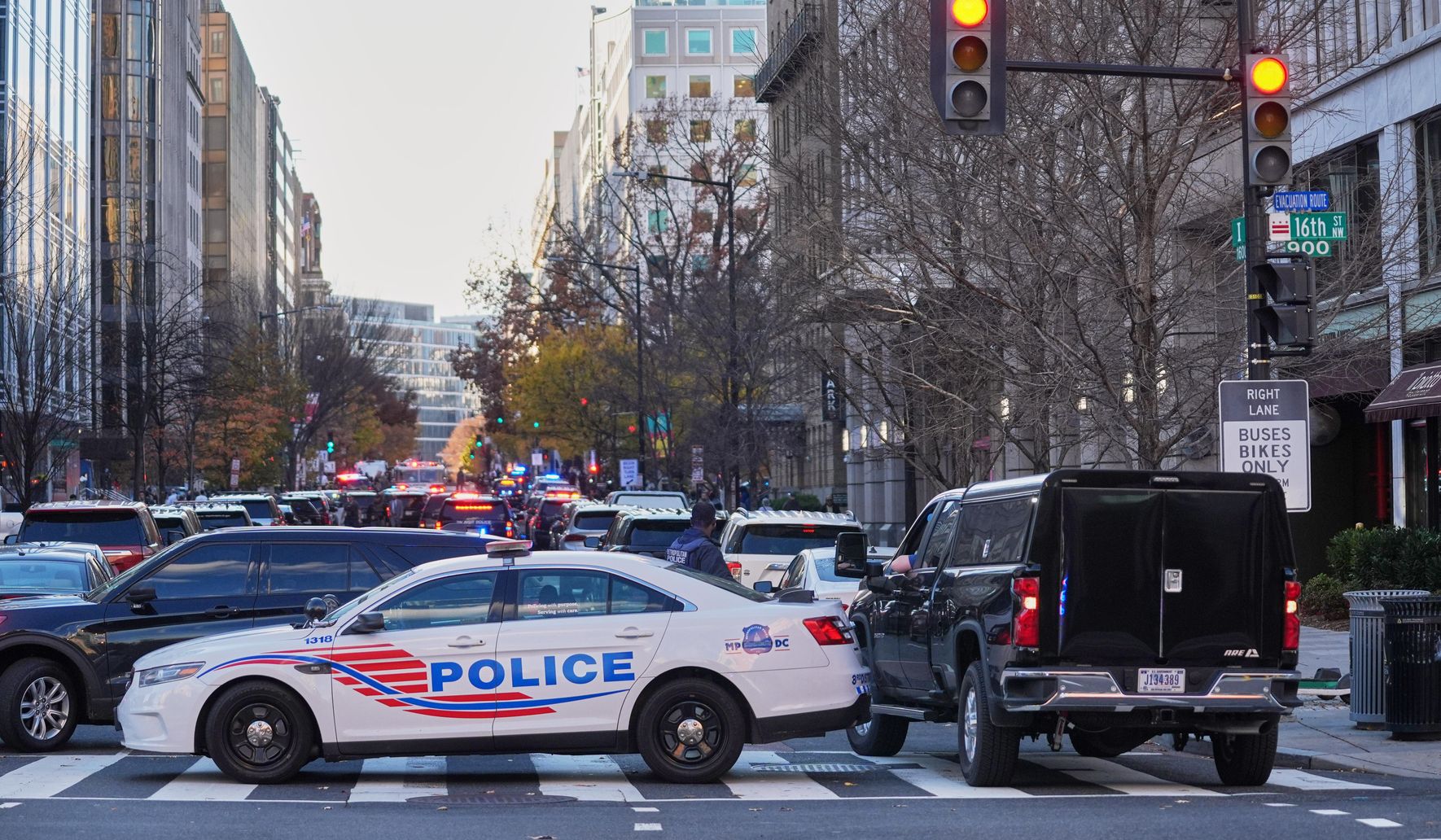
The suspect accused of killing two National Guard soldiers near the White House is reported to be an immigrant from Afghanistan who arrived in the U.S. during President Biden’s 2021 airlift.
This shooting has struck at the heart of what Americans expect: security in and around the capital and safety for the troops who protect it, and it raises blunt questions about how that security is managed. Two National Guard soldiers were fatally shot near the White House, an attack that underscores the stakes when vetting and immigration policy collide with public safety. The suspect is identified as an Afghan immigrant who came to the U.S. during President Biden’s 2021 airlift, a fact that sharpens scrutiny of past decisions.
The facts we know are stark and direct, and they demand clear thinking, not euphemism. A deadly assault on uniformed service members outside the seat of government is a failure that needs answers at every level, from local policing to federal policy. Republicans have been warning for years that weak processes and rushed evacuations create vulnerabilities we can no longer ignore.
When the country reconfigured transportation and intake for thousands in 2021, the urgency of evacuation was undeniable, but urgency is not a substitute for thorough vetting. The presence of someone who would later be accused of murder among those who entered the country through that effort shows why controls matter, and why officials must own the consequences of their operational choices. This is not about blaming the boots on the ground; it is about holding leadership accountable for plans and oversight.
Families of the fallen deserve answers that go beyond routine statements and press briefings, and the public deserves policies that reduce the risk of repeats. Lawmakers and agency heads will be asked to explain screening processes, interagency coordination, and whether intelligence gaps or staffing shortfalls contributed to this outcome. From a Republican perspective, this is a test of whether Washington will finally prioritize secure borders and rigorous entry vetting as tied directly to homeland safety.
The incident also exposes a broader national-security conversation that has been sidelined for too long: how immigration policy, refugee processing, and evacuation logistics intersect with counterterrorism and policing. An individual who arrives under one set of circumstances cannot be assumed harmless without layered checks, and operational trade-offs made in moments of crisis should be revisited with the benefit of time and scrutiny. Critics will rightly demand transparency about timelines, databases checked, and any red flags missed before the suspect was able to operate in the capital.
There will be investigations, hearings, and headlines, but the real measure will be whether policy shifts follow and whether institutions adapt to prevent similar tragedies. This isn’t just a law-enforcement problem; it is a governance problem that ties back to the choices made at the highest levels in 2021. Conservatives will push for sharper vetting standards, better information-sharing between agencies, and policies that put the safety of Americans first without losing sight of compassion for genuine refugees.
The image of two service members killed near the White House is a grim reminder that security failures have human costs, and it will shape political debates for months to come. Questions about how an immigrant from Afghanistan who arrived during President Biden’s 2021 airlift could be implicated in such violence will dominate those debates and demand detailed answers. Officials in charge of evacuation policy and border management will now face intense scrutiny as citizens and lawmakers demand accountability and practical reforms.

