

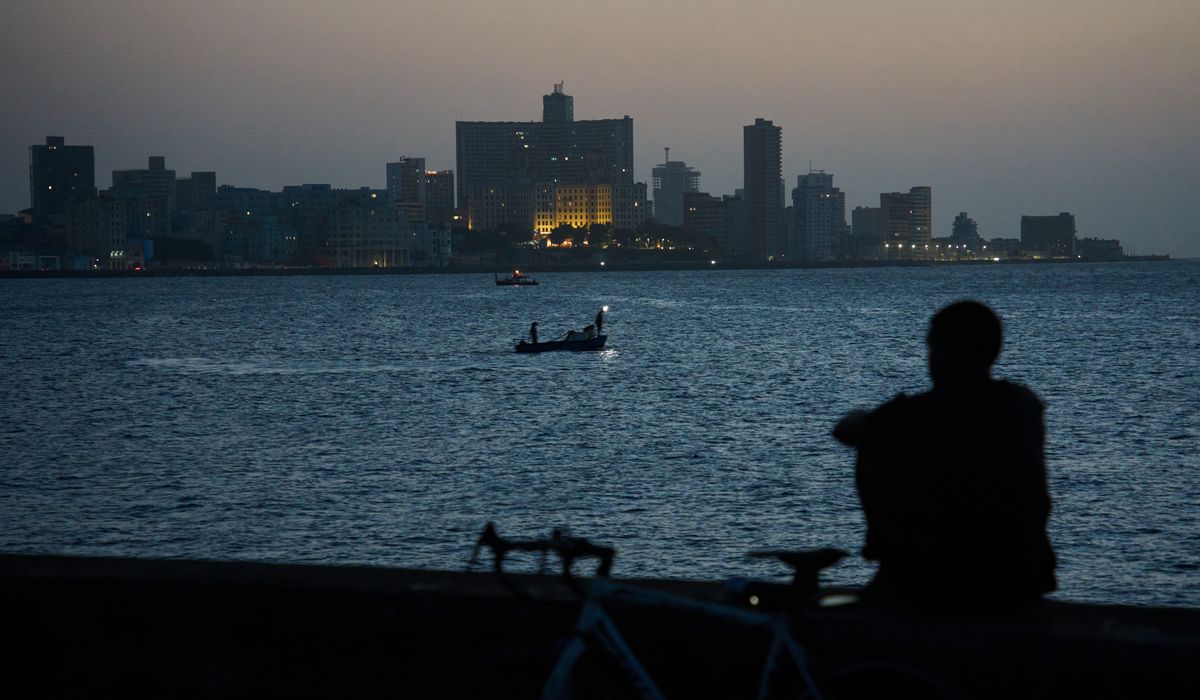
A widespread blackout in Havana forced residents into the open, exposing fragile infrastructure and sparking fresh scrutiny of the island’s leadership and daily hardships.
Alexey Rios Garcia awoke not to his bed in Cuba’s capital on Monday, but to an ocean breeze and the concrete of Havana’s famous seaside boulevard. The scene on the Malecón became a makeshift refuge for people cut off from power, water and the routines that rely on them. The image of citizens sleeping on the seawall is stark, but it also fits into a larger pattern of outages and shortages that have burdened the island for years.
Power failures in Cuba are not a new phenomenon, yet each one lands harder on families and businesses already stretched thin. Small shops lose refrigeration, hospitals rely on backup generators and working people lose hours they cannot afford. Those immediate hardships ripple through the economy and underscore systemic problems in maintenance and long-term planning.
The government points to external pressures and infrastructure age, but many observers see management failures at the center of the crisis. A Republican viewpoint emphasizes that the regime’s centralized control and lack of accountability exacerbate technical breakdowns. When decisions are political instead of practical, basic services suffer and ordinary Cubans pay the price.
Local reports describe municipal crews working in difficult conditions while residents barter, queue and improvise to keep food and medicine safe. Neighborhood networks and informal markets step in where official systems falter, revealing both resilience and the yawning gap left by ineffective governance. Those improvised fixes can only do so much when rolling blackouts or prolonged outages hit simultaneously across the city.
Beyond the immediate hardships, the blackout has political implications at home and abroad. It intensifies frustration among citizens who already bristle at restrictions and shortages. From a conservative perspective, this is evidence that central planning and a one-party monopoly cannot deliver reliable services or respect the economic freedoms that foster innovation and investment.
Energy experts note that Cuba’s grid has long needed upgrades: aging equipment, weak transmission lines and limited spare parts make the system fragile. Investment has been constrained by fiscal realities and policy choices, leaving the grid vulnerable to a single failure cascading into a citywide outage. Fixing it requires not only hardware but transparency, prioritization and incentives that reward efficiency.
The human stories are immediate and clear: parents keeping babies cool in the dark, shopkeepers salvaging perishable goods and neighbors sharing generators. Those scenes underline how much daily life depends on steady electricity, something many countries take for granted. In Cuba, the recurring instability erodes confidence and pushes people to seek alternatives, legal or otherwise, to secure their needs.
International reactions tend to focus on humanitarian concerns, while policymakers debate sanctions, aid and pressure. From a Republican stance, the emphasis is on supporting the Cuban people and spotlighting the regime’s failures without empowering a leadership that has consistently prioritized control over prosperity. Any assistance strategy must reckon with who will benefit first when basic services fail: the government elite or the wider population.

