

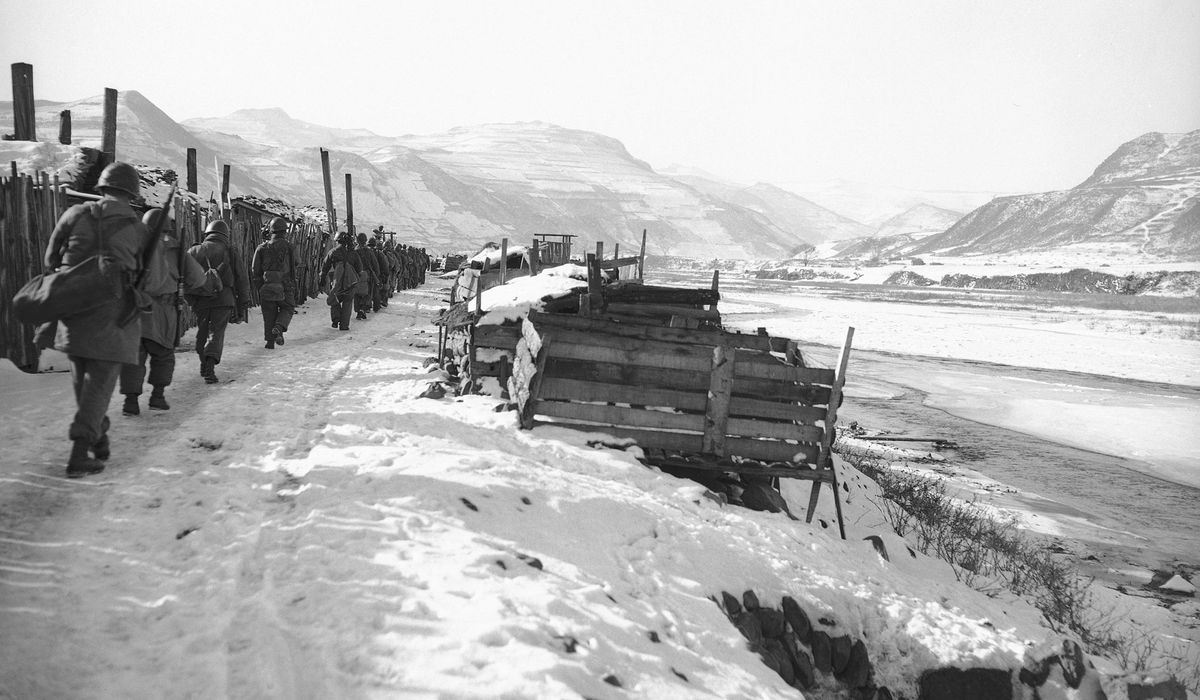
Nearly two generations after the guns fell silent, the Korean War and those who served in it remain a powerful and often overlooked chapter in American history.
Almost 1.8 million Americans served in the Korean War from 1950 to 1953, with more than 36,000 giving their lives for a struggling country on the other side of the world that most had never heard of. Those numbers are a stark reminder of how many young men and women were pulled from hometowns, jobs, and classrooms into a conflict that few fully understood at the time. The human cost extended beyond the battlefields, shaping families and communities for decades.
The war’s combat zones stretched from bitterly cold mountain ridges to glassy rice paddies, and American forces faced brutal terrain and determined opposition. Strategic aims mixed with political uncertainty, making the campaign feel both critically important and bewilderingly distant to many back home. Veterans returned with skills earned under fire, and memories that would not fade with the uniforms they left behind.
When they came back, Korean War veterans often found silence rather than parades, a reception different from later generations who served in more publicized conflicts. Medical problems from injury and exposure, along with psychological wounds, emerged over years and sometimes decades. Access to care, acknowledgment of service, and accurate records were and remain central issues for many who fought.
Prisoners of war and those still listed as missing in action represent a continuing and painful legacy of that summer and fall in the early 1950s. Families of the missing kept hope alive through relentless searches, advocacy, and official requests for information. Efforts to account for those service members continue through joint investigations, archival work, and forensic recovery missions.
Communities across the United States mark the sacrifices with monuments, ceremonies, and educational programs, though public attention fluctuates with time and current events. Memorials range from modest plaques in small towns to national monuments that name the dead and remember the living. Those physical reminders shape local memory and keep families connected to a wider national story.
The needs of aging veterans are more urgent now as the Korean War generation moves into advanced years, and service-linked health issues often require ongoing management. Veterans Affairs systems and local providers work to address conditions tied to service, from exposure-related illnesses to mobility and mental health care. Ensuring accurate service records, timely benefits, and clear lines of communication remains a practical challenge.
Beyond medical and legal concerns, the stories veterans carry are woven into families and civic life, passed down as part of identity and history. Sons and daughters, grandchildren, and neighbors remember through oral histories, letters, uniforms, and photographs that keep individual lives visible. Those personal archives often fill gaps left by formal histories, offering new perspectives on daily life during the conflict and its aftermath.
Researchers, museums, and universities continue to examine the Korean War’s strategic, political, and human dimensions, expanding public understanding through archives, exhibits, and firsthand testimony. New scholarship and recovered records sometimes change how particular actions or decisions are seen, and audiovisual projects bring veteran voices to wider audiences. Preservation and study of those sources matter as the direct witnesses become fewer and the need to maintain an accurate historical record grows.

