

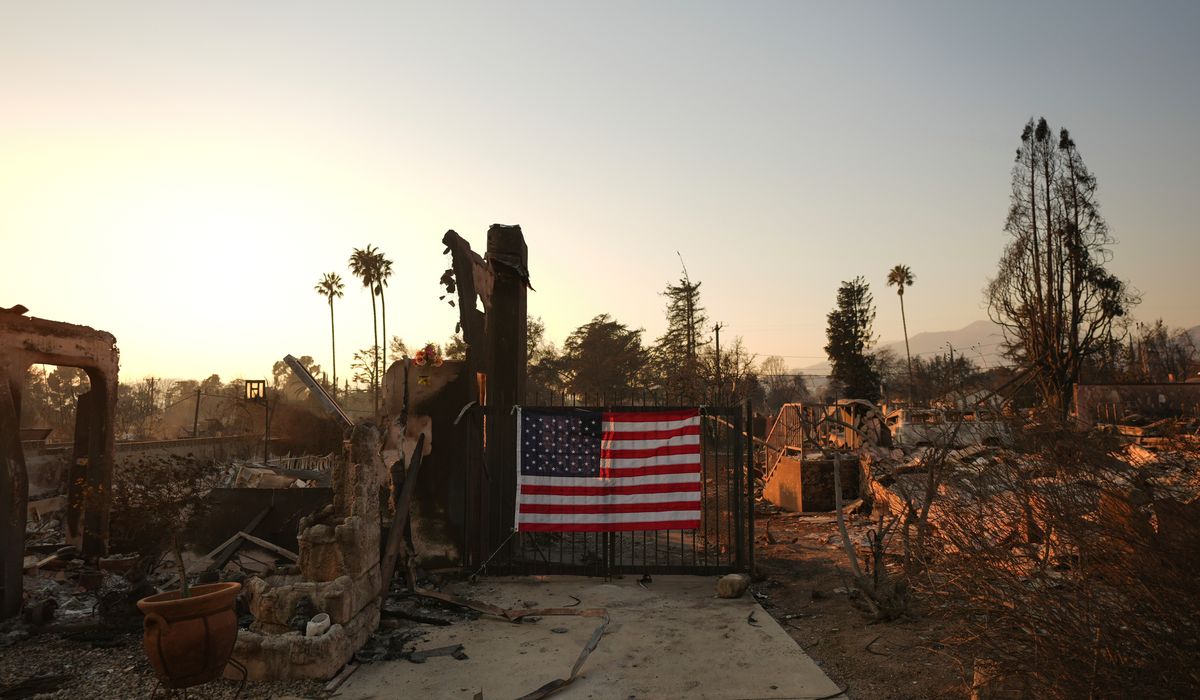
Thousands of survivors of the 2025 Eaton Fire in Altadena, California, have accepted an upfront settlement from the utility accused of causing the blaze, trading the possibility of larger jury awards for quicker, guaranteed payments and a faster path to rebuilding.
The decision by so many to take the immediate settlement reflects a pragmatic choice in the face of destroyed homes, lost possessions, and ongoing expenses. For many households, waiting through years of litigation is not an option when temporary housing, debris removal, and basic needs are urgent. The settlement shortcut delivers cash on a schedule, even if it means giving up the chance at a bigger award later on.
Settlements like this are built around predictability and speed, two things survivors frequently say they value most after a disaster. Legal fights can drag on for years and rack up costs, while an upfront agreement gives families the ability to make concrete plans. That certainty helps people start repairs, negotiate with insurers, and stabilize their daily lives without the shadow of an uncertain verdict.
At the same time, the trade-offs are real and complex: accepting a lump-sum payout usually requires signing away the right to sue later, which can limit recovery if new information about the fire’s cause or extent emerges. Plaintiffs also risk underselling long-term losses like diminished property values, chronic health impacts from smoke exposure, and business interruptions. Those who opt in have to weigh immediate relief against potential future needs that the settlement may not fully cover.
From the utility’s perspective, settlements provide a way to close a large number of claims efficiently and manage financial exposure without the unpredictability of juries. Utilities facing multiple cases often prefer structured payouts to allocate funds and move past a crisis. That approach can lower costs for ratepayers and streamline corporate risk management, though critics say it may undercut broader accountability.
Administration of a mass settlement brings its own logistical hurdles, including setting eligibility criteria, processing documentation, and ensuring fair distribution. Independent administrators are often hired to verify claims, calculate awards, and distribute payments, which can help avoid conflicts of interest. Still, survivors may face hurdles gathering proof of loss, navigating deadlines, and understanding how the settlement interacts with insurance proceeds.
Legal counsel plays a big role in shaping outcomes and in communicating options to affected residents. Lawyers negotiate the structure and terms, advise on tax implications, and often guide families about whether to accept an offer. That advice can be decisive, since the consequences of waiving future claims are long term and sometimes irreversible.
Public officials and community leaders typically push for transparency in how settlements are negotiated and disbursed, seeking assurances that vulnerable households are not shortchanged. Oversight mechanisms, clear notice to claimants, and accessible appeals processes help build trust in the system. Without those safeguards, skepticism and resentment can linger, complicating broader recovery efforts.
Insurance interactions complicate many payouts: policy limits, deductibles, and subrogation claims determine how much a homeowner actually ends up with after filing through both an insurer and a settlement program. Some survivors may see their settlement reduced if insurers assert subrogation rights, while others may find their insurer payments unchanged. Clear coordination between insurers, attorneys, and settlement administrators is crucial for minimizing surprises.
Community recovery is more than money; it includes rebuilding infrastructure, restoring ecosystems, and supporting mental health services for trauma survivors. Cash helps, but long-term resilience requires coordinated investments in safer building practices, updated utility vegetation management, and emergency planning. Those measures reduce the risk of future disasters and can shape how communities weigh settlements against systemic reforms.
The Eaton Fire settlements underscore a familiar tension after disasters: the need to balance swift relief with full accountability and long-term repair. For many survivors, an upfront check means immediate progress on housing and living costs, even as questions remain about whether settlements fully capture all losses. The outcomes will reverberate as people rebuild, agencies revise rules, and policymakers debate how to prevent similar tragedies.

