

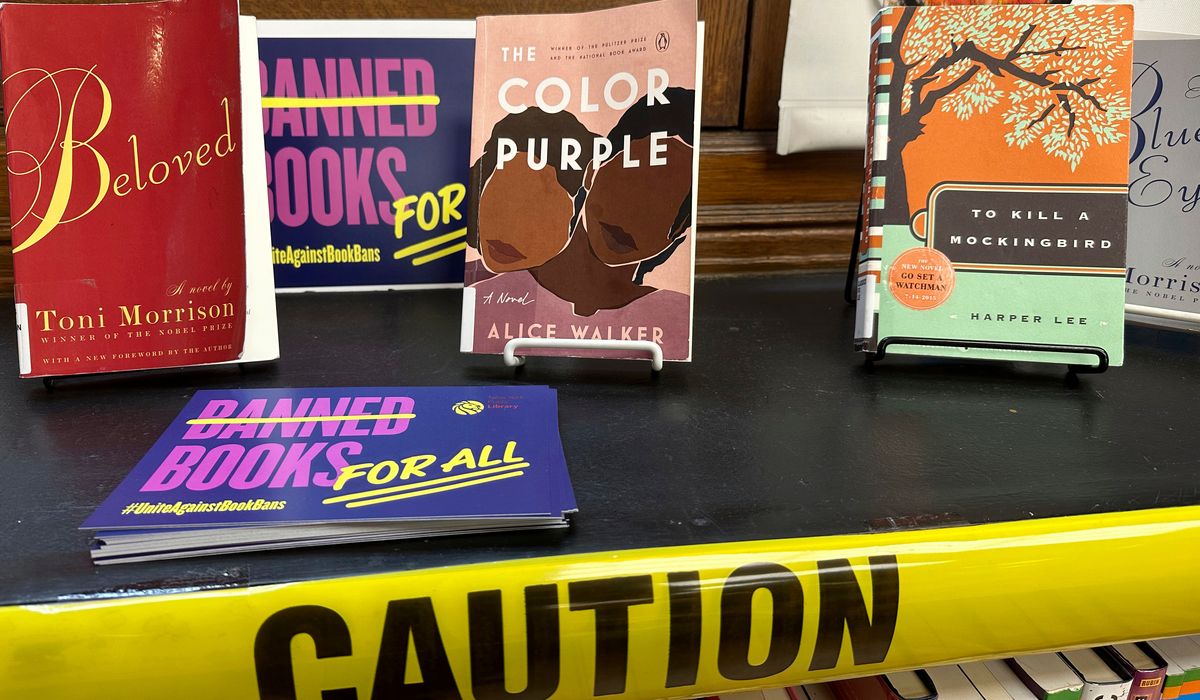
The American Library Association reports book bans and attempted bans are at record highs, and those removal efforts are increasingly organized and politically driven.
Readers, parents, and community leaders are watching a fast-moving fight over what belongs on library shelves and in school classrooms. The ALA data shows the scale is larger than in recent memory, and opponents say these challenges are coordinated in ways that go beyond isolated complaints. This moment is forcing a broader conversation about local control, parental rights, and the proper role of public institutions.
From a practical perspective, this surge feels less like accidental oversight and more like a strategic campaign. Groups pushing for removals often bring pressure through school boards, local politics, and social media campaigns, turning individual objections into organized efforts. That coordination raises questions about who is steering policy and whether communities are getting a fair say.
People on all sides argue they speak for children, but the debate keeps circling back to who decides what children should read. Parents are rightly concerned about age-appropriate material, and many want transparency from schools and libraries. At the same time, librarians and advocates warn that sweeping censorship can limit access for kids who need different mirrors and windows in books.
The political angle is hard to miss because this issue lands squarely on the culture map. Lawmakers and candidates often seize on library content as an easy rallying point, turning local book decisions into statewide talking points. That dynamic amplifies every challenge and encourages more coordinated action from folks who see a political advantage in keeping certain titles off shelves.
Local control is an honest Republican value in this fight: decisions about children and schools should live with parents and local boards, not be dictated by distant bureaucracies. When a national narrative takes over, it can crowd out sensible, community-based solutions and make compromise harder to find. That is why many conservatives push for clear policies that prioritize parental notification and review procedures without banning entire topics outright.
Meanwhile, library professionals say their mission is to serve diverse communities, including teens and adults who seek information on sensitive subjects. That mission sometimes clashes with the political push for removal, and the clash is turning routine collection decisions into legal and public-relations fights. Those disputes cost time and money, and they distract from day-to-day services like literacy programs and community events.
Court battles and policy proposals are inevitable when the stakes are framed as either protecting kids or protecting free expression. The middle ground is narrow: communities need rules that respect parental input while safeguarding intellectual freedom for other patrons. Clear, predictable processes for challenges, review committees that include local voices, and age-based guidance can reduce conflict without shutting down access.
What happens next will probably depend on whether communities can reclaim the conversation from national talking points and focus on straightforward, local solutions. Parents, librarians, and elected officials all have roles to play, and the best outcomes come when they work together instead of using the issue as political leverage. That kind of collaborative approach can defuse the rush toward bans and keep libraries functioning as public resources.
The current surge in challenges is a political reality to reckon with, and the ALA numbers underscore that this is not a small, isolated trend. Voters and leaders will be judging how well their local institutions balance community standards, parental concerns, and access to information. The answers communities choose will shape what young readers can find on shelves for years to come.

