

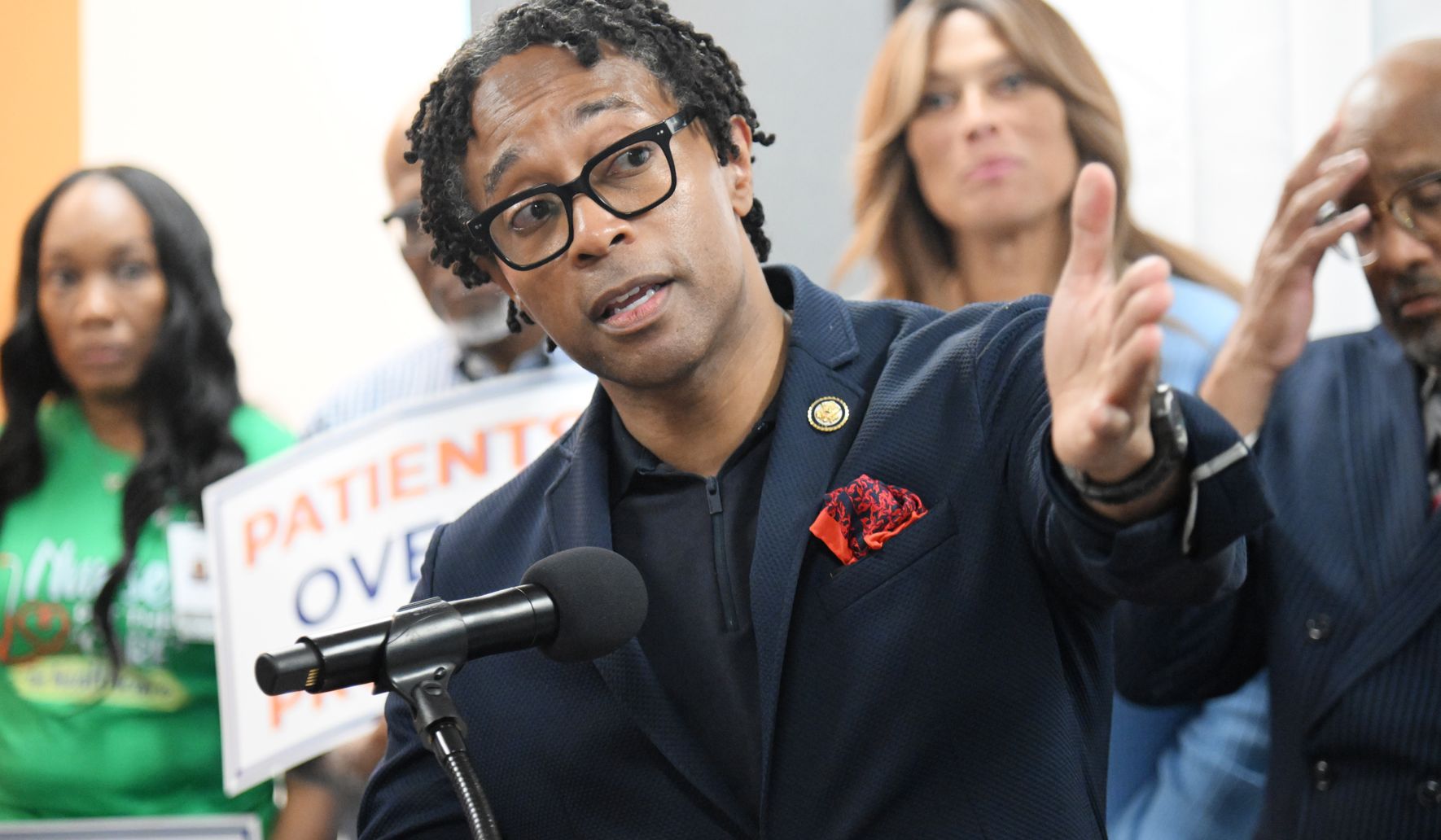
Wesley Bell’s victory over Cory Bush exposed a fault line in the Democratic coalition, with voters choosing a different direction and leaving the party’s left flank on notice.
The result in that contested seat didn’t arrive out of nowhere; it was the product of local concerns, candidate contrast, and a Democratic electorate that occasionally rejects purist ideology. Campaigns are about choices, and this time voters opted for a different tone and set of priorities than the one offered by the insurgent left. That shift matters beyond a single district because it signals how voters respond when practical issues collide with ideological fervor.
“Democratic Rep. Wesley Bell ended socialist former Rep. Cory Bush’s comeback bid in a rare rebuke of the Democratic Party’s rising left wing.” That sentence captures the political gravity of the outcome without softening the language, and it underscores how labels and associations shaped perceptions at the ballot box. Voters heard competing messages and picked the one that addressed immediate concerns over broader ideological projects. For Republicans watching, the episode offers lessons about where to push and where to wait for Democrats to realign themselves.
The race also highlighted strategic choices about messaging. One candidate leaned into reformist, left-wing rhetoric while the other emphasized law and order, fiscal common sense, and pragmatic service delivery. When everyday issues like crime, jobs, and neighborhood services are on voters’ minds, abstract ideological appeals often lose traction. That pragmatic tilt can flip seats even in districts normally thought to be safe for one party.
Local endorsements and grassroots organization mattered, but so did how each campaign presented competence and responsibility. Electorates reward incumbents or newcomers who convince them they will prioritize safety, sensible spending, and basic public services. Candidates who ignore that calculus do so at their political peril, as this race demonstrates. Republicans can take note of the political opening that opens when voters grow tired of extreme positions.
Beyond the immediate campaign, the outcome sends a message to party leaders and activists about electoral trade-offs. Big-picture ideological experiments may energize a base, but they can also alienate swing or moderate voters whose priorities are tangible and present. When a party leans hard left in messaging, it risks ceding the argument on competence to the opposition. For conservative strategists, that creates opportunities to frame elections around pragmatic stewardship versus experimental governance.
The result will likely influence how both parties allocate resources and endorsements moving forward. Political operatives will reexamine which candidates are seen as electable and which are treated as symbolic. That process is messy and often contentious, but it is also the mechanism through which parties adjust positions in the face of voter feedback. Conservatives can expect opponents to debate moderation versus militancy as they next choose nominees.
Voter turnout dynamics played a role as well, with motivated local constituencies and hour-by-hour ground games shaping the outcome. Campaigns that invest in neighborhood outreach and clear, simple messages about safety and service typically perform better when results are close. This race underscores that winning elections still often comes down to the basics: meet voters where they live, address their concerns, and show competence.
For Republican readers, the takeaway is straightforward: stay focused on practical themes that resonate across partisan lines and highlight the risks of rigid ideological experiments. Politics is a contest of narratives, and the narrative that connects to voters’ daily lives usually wins. Expect both parties to adjust tactics as they parse the lessons from contests like this one.
What happens next is less predictable than the immediate reaction. Party factions will argue over strategy and blame, activists will regroup, and voters will continue to judge officials on results rather than slogans. That ongoing accountability is central to a functioning democracy, and it keeps the political debate rooted in real-world consequences rather than abstractions.

