

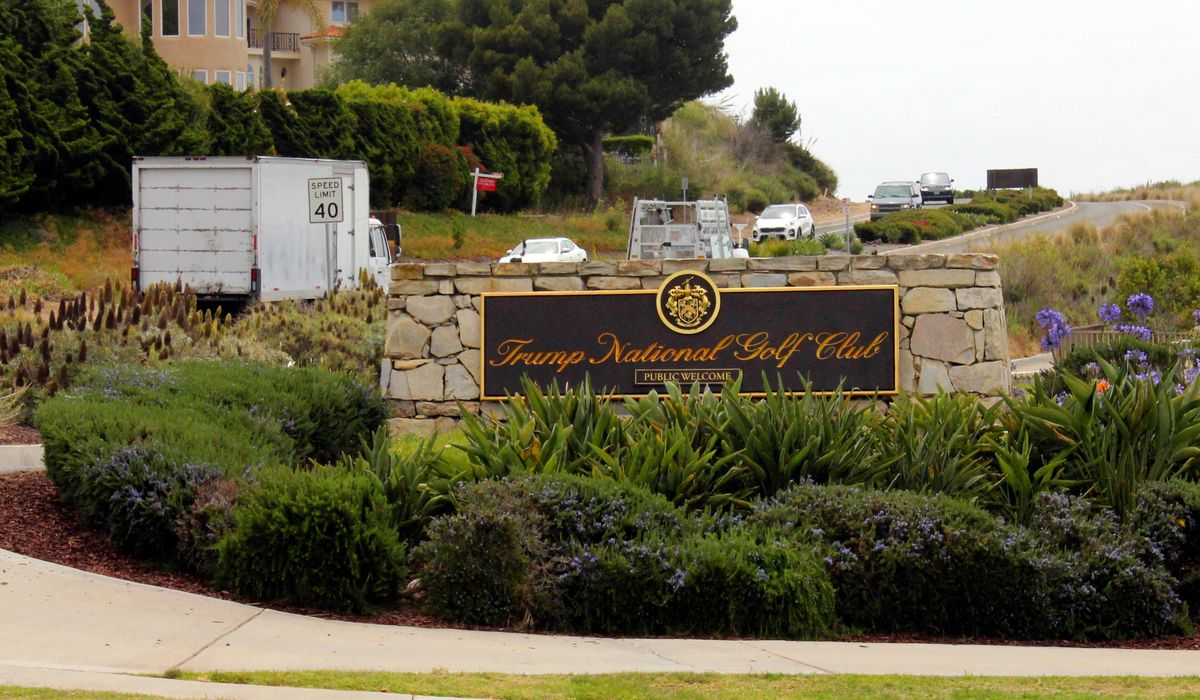
Authorities on Sunday arrested a man who was walking the grounds and appeared to be monitoring security planning at President Donald Trump’s California golf course two days ahead of the president.
Law enforcement officials detained an individual after spotting someone moving around the golf-course property in a way that raised alarm. The person was on the grounds and looked to be taking note of security arrangements, and the arrest happened on Sunday, two days before the president’s scheduled arrival. Local and federal authorities moved quickly to remove any immediate risk and secure the site.
The scene underscores how closely movements near high-profile properties are watched, especially when a president is expected. Secret Service partners with local police for layered protection at private venues, and that coordination matters when suspicious behavior appears. Residents and staff at such sites are advised to alert authorities when something seems out of place.
Witnesses describe a calm but serious response from the officers who arrived, focused on gathering information and preventing escalation. Investigators will sort what the suspect was doing and whether any charges beyond trespassing or similar offenses apply. For now, the quick intervention kept the planned presidential visit on track and limited any immediate danger.
From a law-and-order perspective, this incident highlights two priorities: deterrence and decisive action. When someone is observed surveilling security measures near a presidential stop, the appropriate response is to remove that person and examine intent. That approach protects national leaders while sending a clear message that such behavior will not be tolerated.
Officials will pore through whatever evidence they can — from interviews to any footage captured on site — to build a picture of what happened. That fact-finding phase is essential before assigning motive or public labels. It also helps law enforcement refine tactics and close gaps that might have permitted the suspicious activity to happen in the first place.
The timing of the arrest, two days ahead of the president’s arrival, reinforces why advance security checks and persistent patrols are necessary. Advance teams routinely canvas properties, confirm perimeters, and watch for anyone who might be mapping access points or noting guard routines. Those pre-visit sweeps are a basic, effective step to head off threats before they can grow into something more serious.
There’s an expectation that authorities will respond firmly but fairly, protecting both public safety and civil liberties. Proper procedures include securing the scene, identifying the person detained, and documenting the circumstances that led to the arrest. Those steps preserve evidence and ensure subsequent legal processes can proceed on a clear footing.
Political visits draw crowds and attention, and that reality requires extra vigilance from everyone involved. Staff, contractors, and nearby residents all play a role by remaining alert and reporting suspicious activity promptly. In this case, prompt reports and a coordinated law-enforcement response prevented any disruption to the president’s plans and kept the area under control.
Moving forward, investigators will determine if further action is warranted and whether any systemic changes are needed to shore up security at private properties hosting official events. Meanwhile, the episode serves as a reminder that visible protections and swift enforcement are critical when leaders travel. The priority remains clear: keep people safe and ensure public order while events proceed as scheduled.

