

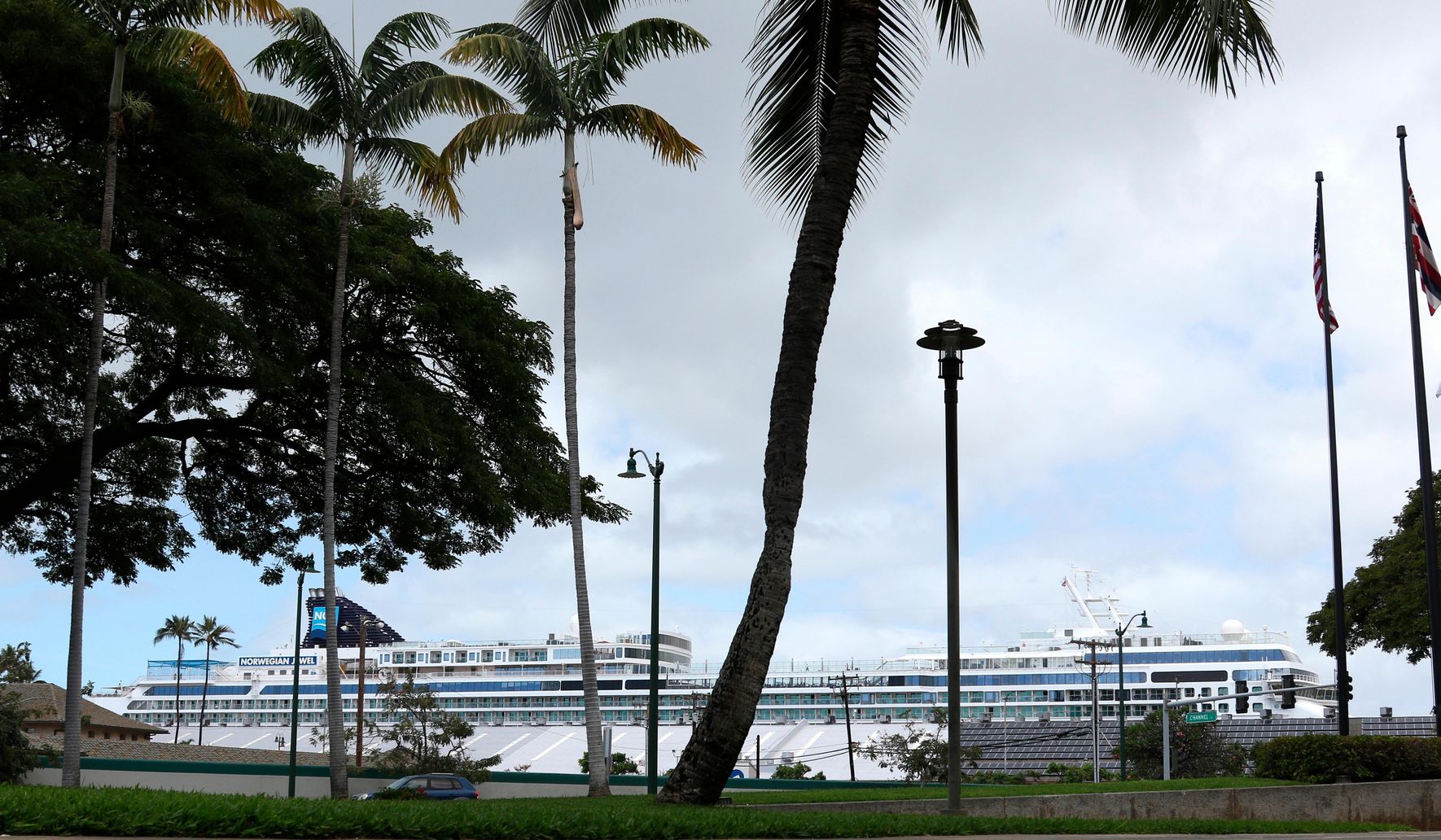
A federal appeals court ruling on New Year’s Eve blocked Hawaii from enforcing a climate change tourist tax on cruise ships passengers, a levy that was set to go into effect at the start of 2026.
The appeals court order stopped Hawaii from collecting the new per-passenger fee that state officials pitched as a climate initiative and revenue stream. Industry groups and conservative legal advocates quickly celebrated the decision as a restraint on state overreach that would have targeted travelers. The timing on New Year’s Eve underscored how the case moved rapidly as the start of 2026 approached.
Hawaii had planned a levy aimed at cruise ship passengers to fund climate-related projects and offset visitor impacts, and the state said the charge would help pay for resilience and conservation. Opponents argued the tax singled out one industry, would be passed on to passengers, and risked hurting a fragile tourism recovery. The court’s move paused enforcement while litigation continues, keeping the status quo for operators and travelers for now.
From a Republican perspective, the ruling is a win for economic common sense and individual freedom from punitive fees that target citizens on the move. Taxing visitors at the port risks harming small businesses that rely on cruise tourism and shifts costs onto ordinary people rather than budgeting responsibly. The court’s intervention highlights the danger when states try to impose novel taxes that ripple through commerce and travel without clear legal grounding.
Cruise lines had warned that the levy would complicate itineraries, raise ticket prices, and reduce demand, which would in turn squeeze local vendors, tour operators, and workers who depend on a steady flow of passengers. Maritime commerce is governed by federal law in many respects, and challengers argued the state tax intruded into areas where national uniformity matters. Those legal claims helped persuade the appeals court to block enforcement while it weighs the merits of the case.
For travelers, the immediate effect is relief: tickets won’t suddenly include a new surcharge tied to climate policy at the port of arrival. For the tourism sector, the injunction buys time to plan around existing costs rather than scrambling to absorb or pass along a new levy. For policymakers in Hawaii, the ruling is a signal to reconsider how to craft funding mechanisms that withstand legal scrutiny and do not unfairly single out essential economic actors.
Legal observers expect both sides to press forward, with the state likely to continue defending its authority to address visitor impacts and opponents framing the levy as unlawful and harmful. The appeals court decision does not resolve the underlying dispute on final terms, and further briefing or appeals could push the matter up to a higher tribunal. Meanwhile, the injunction keeps the planned start date in 2026 from being a fait accompli and gives courts a chance to sort legal questions first.
The broader lesson for governors and legislatures is that ambitious policy goals must be matched with durable legal design and careful attention to commerce and property concerns. Republican critics will argue that climate aims do not justify creating targeted taxes that stifle travel and punish local economies. Whatever the outcome, courts have reaffirmed their role in policing where state policy crosses legal lines and in protecting businesses and consumers from sudden, unilateral charges.

