

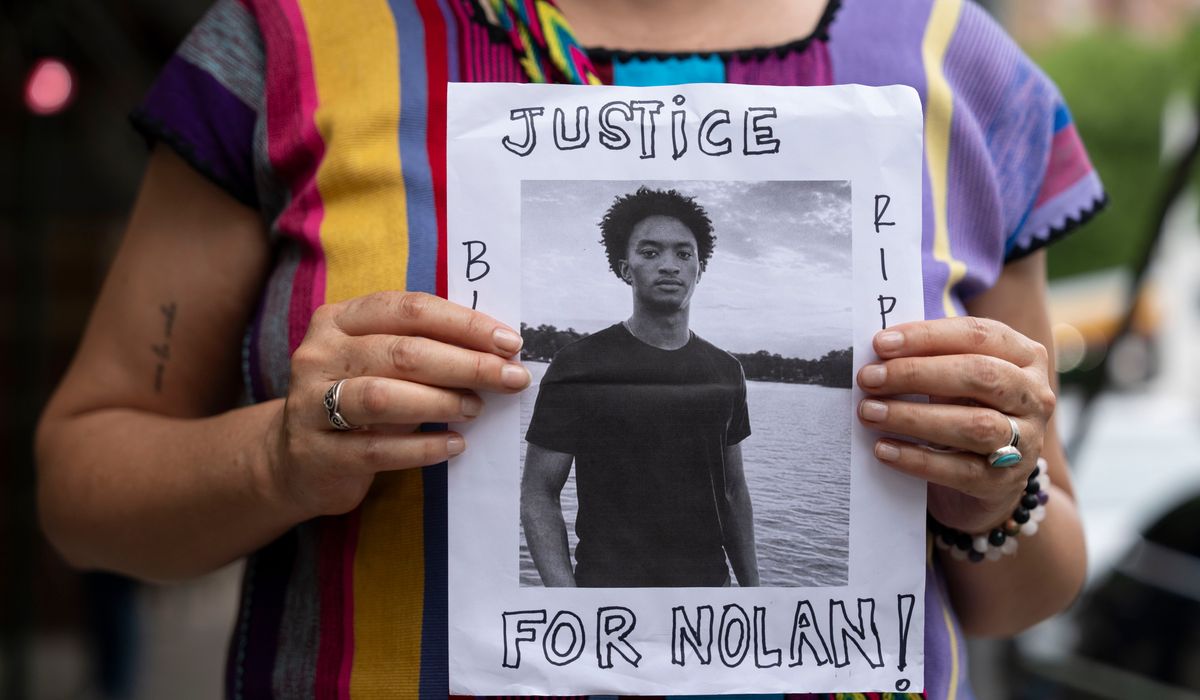
A former football teammate says he will sue social media users for defamation after being accused online in connection with the death of 18-year-old Nolan Wells.
The man at the center of the online allegations is a former teammate of Nolan Wells and is moving to challenge those claims in court. He says he was wrongly accused on social platforms of involvement in the 18-year-old’s death, and his legal team is preparing a defamation lawsuit against anonymous and identified users. The situation highlights how fast accusations can spread and the real consequences for people named on social media.
Social posts that level criminal allegations against private citizens can cause immediate reputational damage, professional setbacks, and emotional strain. The former teammate’s attorney argues that repeated false accusations have hurt his client’s relationships and prospects, creating harms that are often difficult to undo. Those kinds of harms are the typical focus of defamation claims, which seek to hold speakers accountable for knowingly false statements or reckless disregard for the truth.
Filing a defamation case raises several legal questions, including how to identify anonymous posters and whether the statements meet the legal standard for defamation. Internet platforms can make unmasking sources possible through subpoenas, but courts balance privacy interests against the need to vindicate a harmed person’s reputation. Even when identities are revealed, plaintiffs must still show that the statements were false and caused measurable harm.
Defense strategies for online defendants often involve claiming the posts were opinion rather than fact, or that the content was substantially true. Platforms and users sometimes hide behind broad protections, making litigation complex and time-consuming. The former teammate’s lawyers will likely need to gather evidence to prove malice or reckless falsehood if the posts are framed as factual accusations of criminal conduct.
Beyond legal tactics, there is a social dimension: accusations about a death carry an emotional weight that amplifies harm. Friends, family, and local communities respond quickly when a young life is lost, and that urgency can breed speculation. When speculation turns into naming and blaming individuals, it can leave long-term scars that a court may be asked to recognize through damages.
Courts have wrestled with how to apply defamation law to viral content and anonymous speakers, and outcomes vary by jurisdiction and facts. A successful claim can result in monetary damages, retractions, or injunctions against repeat false postings, but remedies are not guaranteed. Plaintiffs must weigh the time, cost, and public exposure of litigation against the potential for clearing their name and recovering losses.
For anyone accused online, reclaiming control of the narrative is difficult but not impossible. Legal action can force platforms or users to disclose identities, compel removals, and set the record straight in a formal setting. Still, many people find that even after a legal victory, traces of the accusations remain online and continue to surface in searches or informal conversations.
On the other side, critics of defamation suits warn about chilling effects and the risk of stifling legitimate speech. Courts try to protect free expression while also preventing harmful falsehoods, a balance that becomes especially delicate in cases tied to a death. Plaintiffs who bring suits in these circumstances often have to satisfy higher standards when public interest or public figures are involved, though private individuals generally benefit from stronger protections.
The former teammate’s move to sue underscores a broader cultural challenge: how to respond responsibly in the immediate aftermath of a tragedy. Rapid sharing and speculation can create secondary victims who face accusations before any official investigation concludes. Legal proceedings are one way to address that fallout, but they are only part of a wider conversation about accountability, ethics, and how communities process grief and uncertainty.
As the case moves forward, observers will watch how courts handle allegations tied to social media, anonymous posters, and reputational harm. The outcome could influence how future disputes of this kind are resolved, and it will test the practical limits of online speech protections. For the individuals involved, the litigation represents a bid to restore standing and push back against public claims that they say are false and damaging.

