

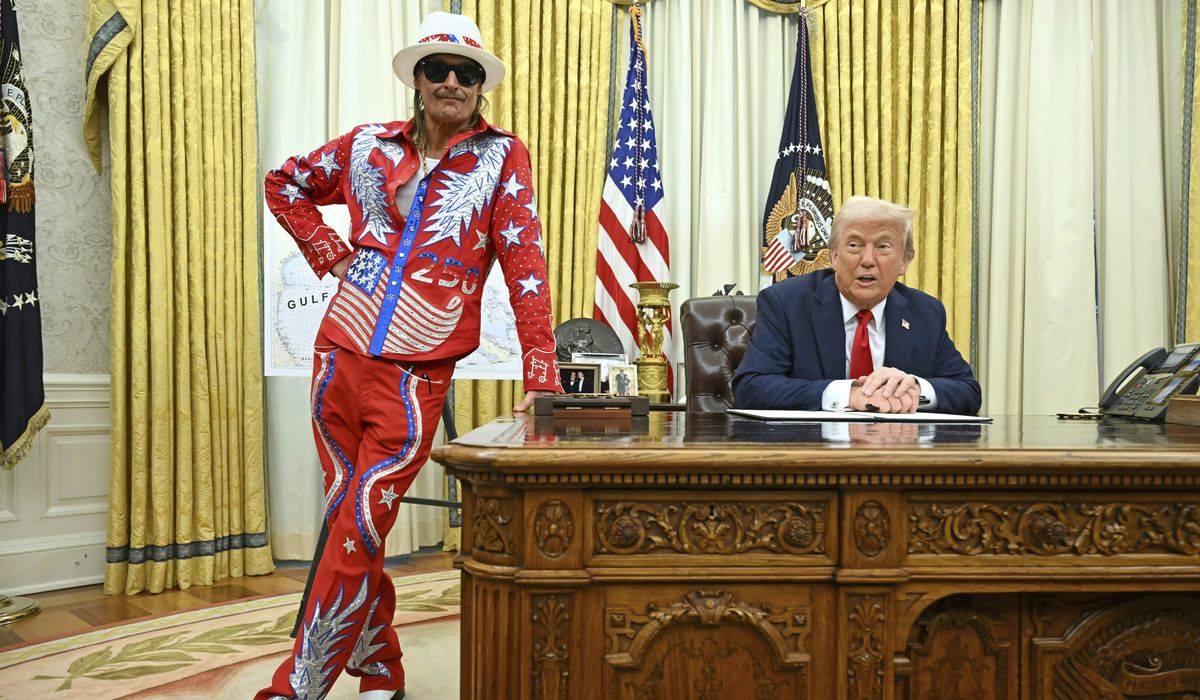
The U.S. Army has opened an administrative review after two AH-64 Apache helicopters flew near the Nashville, Tennessee, home of singer Kid Rock, a prominent supporter of President Trump, triggering public concern and questions about military conduct and oversight.
The report that two AH-64 Apache helicopters hovered near the Nashville, Tennessee, home of singer Kid Rock, a prominent supporter of President Trump has already prompted an administrative review by the U.S. Army. Local residents and national observers reacted quickly when news of the incident spread, and officials moved to examine what happened. The review aims to determine why the flight occurred and whether rules were followed.
This kind of inquiry matters because citizens expect the military to operate under clear, apolitical rules while serving the nation. Republicans respect our armed forces and demand accountability when actions raise doubts about judgment or procedure. An administrative review is the right first step to get facts on the table before assigning blame.
AH-64 Apache helicopters are combat aircraft with clear mission profiles and strict protocols for domestic operations. When they appear in civilian airspace near private homes, even a routine training flight can look alarming and fuel speculation. The Army must be able to explain the mission, the chain of command that authorized it, and whether established safety and privacy measures were observed.
Transparency is essential to restore public confidence, especially when a prominent political supporter like Kid Rock is involved. The involvement of a high-profile figure raises questions about perception, even if there was no political intent. Republicans who defend the Constitution also insist the military not be used in ways that appear partisan or coercive.
At the same time, the reputation of servicemembers deserves protection from unfair accusations before the facts are known. The men and women who fly Apaches serve under difficult conditions and should not be smeared by rushed conclusions. A thorough administrative review helps protect both the public and the integrity of the force by distinguishing error from intent.
Officials conducting administrative reviews typically trace orders, flight plans, and communications to build a factual record. They look for compliance with regulations governing domestic flights, airspace limits, and coordination with civilian authorities. The review can recommend corrective training, changes to procedures, or disciplinary steps depending on what the evidence shows.
Public messaging during and after such incidents matters a lot. Clear, straightforward explanations from military leaders can calm nerves and prevent partisan escalation. Republicans expect leaders to speak plainly, admit mistakes if they happened, and outline concrete fixes so similar situations do not recur.
Community response in Nashville reflects broader concerns about civil liberties and how government power is used near private citizens. Questions about intent, oversight, and safeguards are valid and should be addressed openly. The Army’s review is the procedural path to answers, and the outcome will shape how similar events are handled going forward.
Whatever the findings, the focus should stay on facts rather than speculative narratives that inflame partisan tensions. Protecting the public, defending the rule of law, and maintaining a professional, nonpolitical military are all compatible goals. The review is an opportunity to demonstrate that those goals still guide our institutions without rushing to partisan conclusions.

