

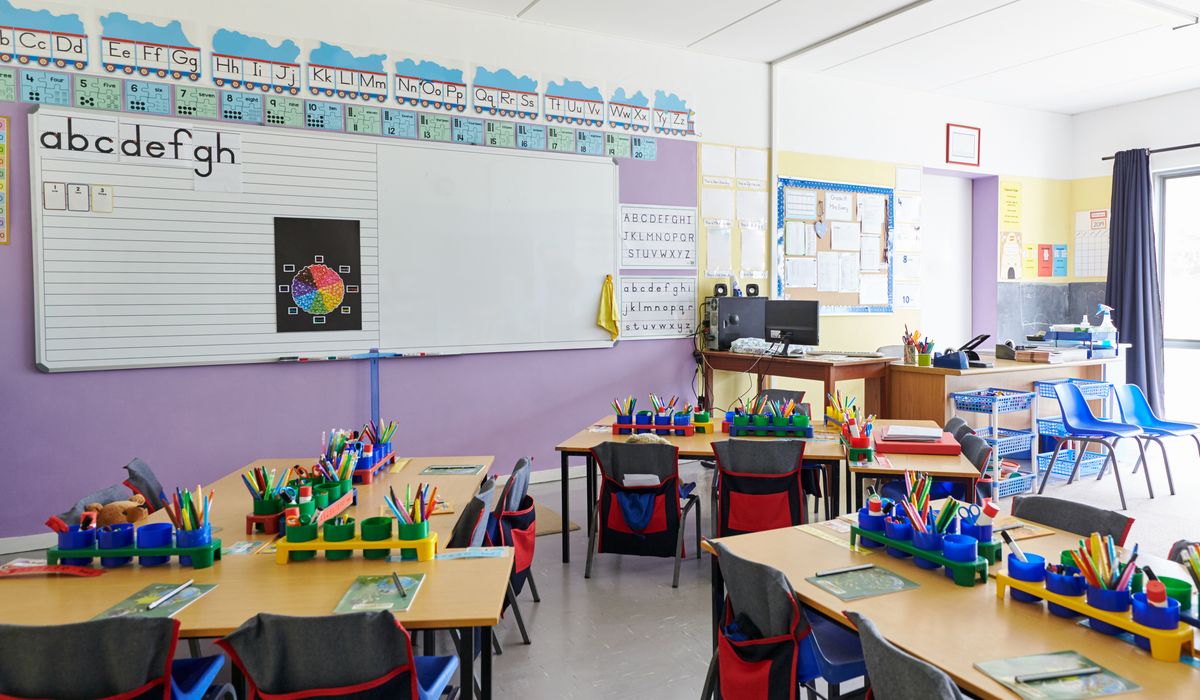
A second-grade teacher in Atlanta set up a corner in her classroom where students can pass gas without leaving, and the idea went viral, touching off a wider public debate about classroom rules, comfort and common sense.
The teacher, working with second graders in Atlanta, introduced a designated spot in the classroom intended to let children pass gas without having to leave the room and disrupt the flow of lessons or face embarrassment in front of classmates. The change was small in setup but large in notice, spreading quickly on social platforms and drawing attention from parents, educators and strangers who weighed in with strong opinions. That swift spread turned a local classroom tweak into a conversation about behavior, dignity and the reasonable limits of school policy.
At the heart of the discussion are practical concerns teachers face every day: how to keep a class learning while handling the messy, human parts of childhood that pop up without warning. Some educators say classroom management requires flexible solutions that keep kids comfortable and reduce interruptions, and this corner is framed as a low-cost, low-disruption tool to do exactly that. Others push back hard, arguing schools should model manners and teach children to excuse themselves and use restrooms when needed.
Parents and community members have different priorities, and that split shows up in reactions to the story, which range from amused support to frustrated disapproval. Supporters note that young children are still learning bodily control, that shame can be counterproductive, and that small accommodations can preserve classroom time and student dignity. Critics counter that handling bodily functions in the classroom normalizes improper behavior and could set bad expectations about public manners.
School administrators who review such choices have to balance several factors: student health and safety, classroom learning time, and community standards about conduct. Decisions like this also raise logistical questions about supervision and sanitation that schools must address if they choose to allow any exceptions to standard procedures. Some districts may treat the idea as a novelty with no policy change, while others might consider formal guidance clarifying what is or is not acceptable in a learning environment.
Teachers who support practical accommodations emphasize the real constraints of the classroom day, where minutes of learning are precious and removing a child for every small incident can add up to significant lost instruction over weeks and months. They point out that not every interruption needs a dramatic response, and that creating a private, calm option for minor issues can preserve both dignity and time. Opponents say teaching self-discipline and community-minded behavior is part of schooling, and that normalizing exceptions risks eroding that mission.
Public reaction has tended to follow familiar patterns where simple, everyday choices become proxy debates about parenting and public norms, and social media amplifies the most colorful takes. The viral post that circulated from Atlanta became a focal point for broader cultural arguments, with people using it to make larger points about overaccommodation or, conversely, about compassion and realistic expectations for young children. That amplifying effect is now part of how small classroom experiments get judged outside their local context.
Experts in child development generally recommend blending kindness with structure, teaching children the social rules that matter while offering reasonable support as they learn self-control. From that perspective, the decision to allow a discreet, designated option could be a temporary teaching tool rather than a permanent policy, used while children form habits that will eventually let them leave the classroom when needed. How such measures are framed and enforced is crucial to whether they teach responsibility or become loopholes.
Whatever the outcome in Atlanta or other districts, the episode highlights the daily trade-offs educators face between compassion and consistency, between small accommodations and the need to model social norms. Classroom solutions that work in one setting may feel odd or unacceptable in another, which is why many school systems prefer clear, universal rules combined with teacher discretion for exceptional circumstances. The debate over this particular corner is less about the corner itself than about how communities choose to teach young people about behavior and respect.
In the end, the conversation shows how easily simple classroom realities can capture national attention and force schools to explain both their practices and their principles, even on matters that seem trivial at first glance. What started as a practical attempt to limit shame and interruptions in a second-grade classroom became a mirror reflecting larger questions about childhood, community standards and the role of schools in shaping behavior. The discussion is ongoing as educators, parents and officials consider what balance best serves students and the learning environment.

