

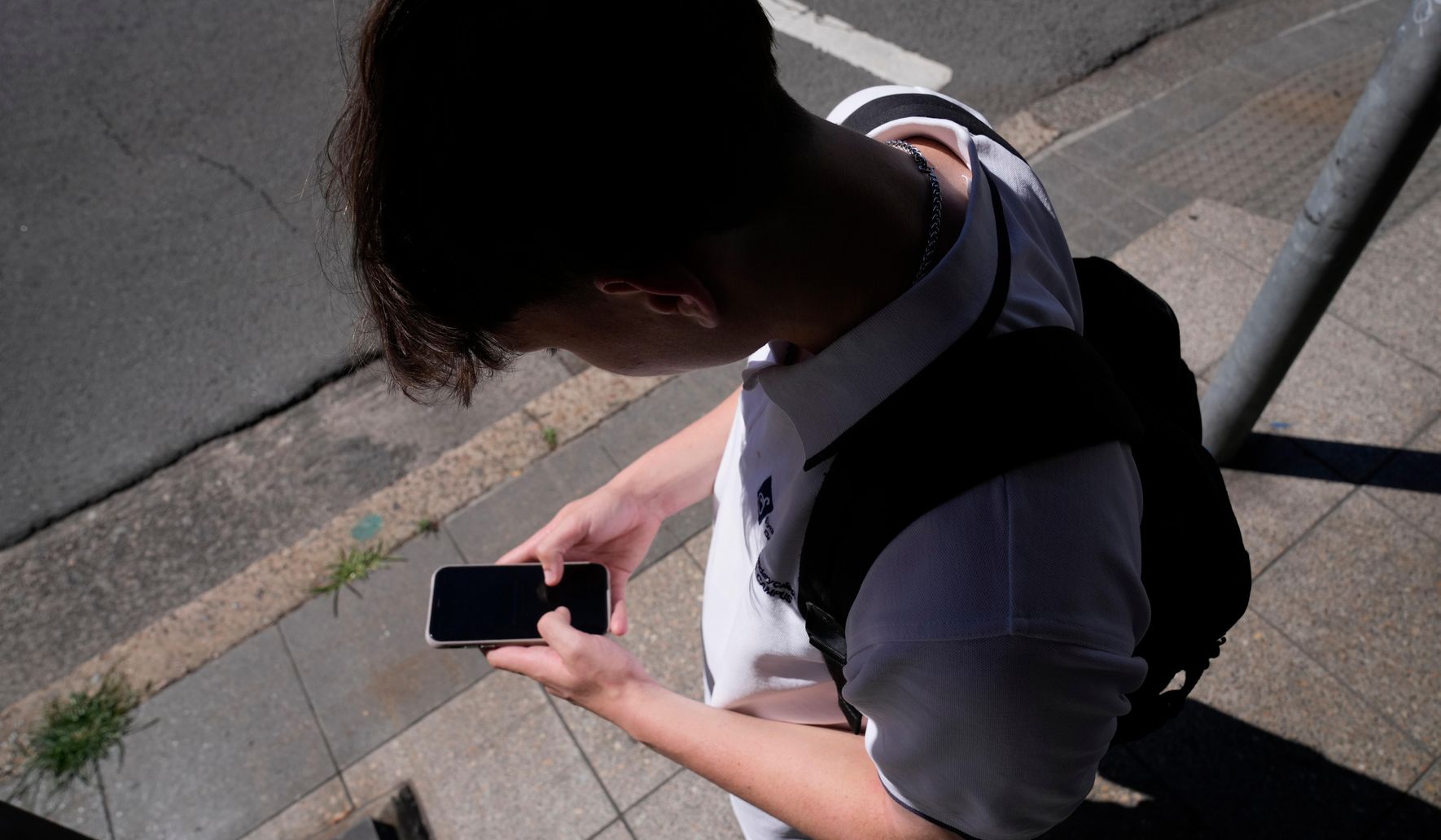
The Australian government says young children will be banned from social media next month as scheduled, despite a rights advocacy group on Wednesday challenging the world-first legislation in court.
Australia is moving ahead with a ban that would keep young children off social media starting next month, and the government says the plan will go forward on schedule. A rights advocacy group has filed a court challenge this week, arguing the law raises legal and civil liberties questions. The dispute has put two big themes against each other: child safety and legal pushback.
Officials frame the measure as a necessary step to shield minors from harms that follow unregulated social media use, including exposure to harmful content and pressure from online interactions. The government insists the policy is the product of careful study and that implementation will proceed as planned. That insistence is meant to signal commitment to protecting young people, even while the legal process unfolds.
The advocacy group that brought the challenge argues that this is a rights issue and that the legislation could overstep legal boundaries by broadly restricting access. Filing in court on Wednesday aims to test whether the law aligns with constitutional or human rights safeguards under Australian law. The legal action ensures there will be public scrutiny and judicial review before or after implementation.
From a Republican perspective, the tension is familiar: protect children and support parental authority while respecting proper legal limits. Many Americans who follow the debate see value in policies that give parents tools to keep their kids safe online, and they welcome government action when it backs parental oversight rather than undermines it. At the same time, Republicans typically want any regulation to be narrow, transparent, and designed to support family choice, not to expand government power unnecessarily.
Observers note that this legislation is described as “world-first,” which raises the stakes politically and in public perception. Being first invites imitation and criticism in equal measure, and advocates on both sides are aware of the international attention. Supporters argue that setting a precedent is worth doing if it protects children; opponents warn about unintended consequences and legal precedent that could limit freedoms.
Practical questions are already under discussion: how the ban will be enforced, how age verification will work, and what role parents will play in granting access. Officials have signaled they will publish guidance and enforcement mechanisms, but the court challenge could delay or modify those specifics. Legal scrutiny often turns on whether enforcement methods are proportionate and respect privacy and due process.
There is also a political calculation here: moving forward despite the lawsuit shows a government eager to be seen as decisive on youth safety. For some conservative observers, action is preferable to inaction when it comes to protecting kids. Yet any law that affects broad swaths of online behavior will be judged on results and respect for basic rights.
Advocates for the law emphasize the risks that unregulated social media use poses to children’s mental health and development, saying the policy responds to real-world harms parents see daily. Critics counter that bans can be blunt instruments that drive young people to alternative platforms or create compliance problems. Courts will have to weigh those competing claims when they consider the challenge.
The next few weeks are likely to be busy with legal filings and public statements as the court considers the advocacy group’s arguments and the government prepares to implement its plan. Expect more debate about the balance between safety, parental responsibility, and civil liberties as the process plays out. Whatever happens, this case will be watched closely by other governments and advocacy groups worldwide as they decide whether to follow a similar path.

