

Energy markets tightened and pump prices climbed as conflict in the Middle East pushed crude supplies and global risk premiums higher, leaving consumers and policymakers facing hard choices about production, reserves, and long-term strategy.
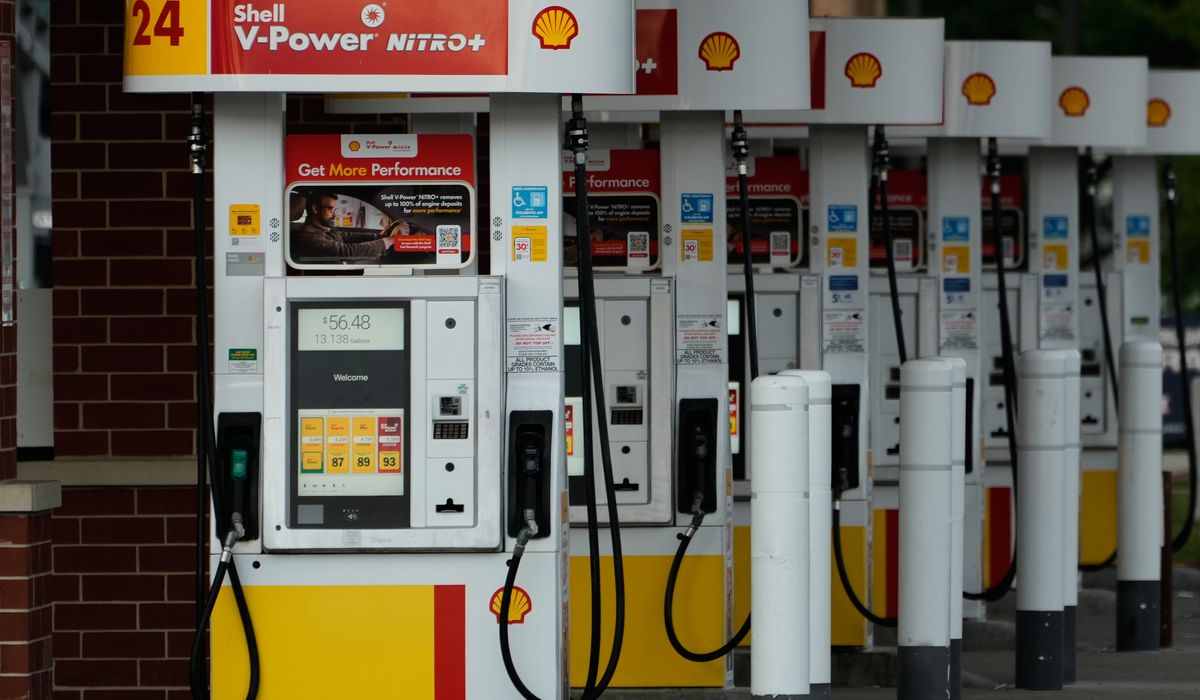
The average U.S. price of gas rose above $4 per gallon on Monday as fighting in the oil-rich Middle East flares up. That single line captures how quickly geopolitical shocks ripple into American wallets, especially when markets are already tight. A lot of families now see their weekly budgets change overnight because of events thousands of miles away.
Gas prices jump when supply fears outpace actual immediate shortages, and traders price in the risk. Speculation and risk premiums can add as much to the pump as real changes in barrels produced. That makes volatility as damaging as sustained high prices for everyday consumers.
From a commonsense Republican perspective, dependence on faraway producers is a self-inflicted strategic vulnerability. When foreign instability drives domestic pain, the remedy should be to strengthen U.S. supply and reduce exposure to hostile or unstable regions. That means putting American energy security first, not kneecapping domestic producers with red tape.
Permitting delays and restrictive leasing policies have real consequences at the pump, and the timeline from permit to production is measured in years. Consumers don’t get relief from promises—they get relief from pipelines, wells, refineries and exports that actually move energy. Speeding approvals and clearing regulatory logjams would have an effect that shows up in months and years, not just in talking points.
Short-term tools matter too, and policymakers can use the Strategic Petroleum Reserve judiciously to smooth a shock. Emergency releases should be targeted and temporary, not a substitute for a long-term plan that prioritizes reliable supply. A balanced approach mixes immediate measures with structural reforms to keep prices stable over time.
Expanding U.S. production also bolsters our international influence by reducing the leverage of hostile actors over global markets. When America is a supplier of last resort, it can help allies without being coerced. That geopolitical independence reduces the recurrence of sudden price spikes tied to instability abroad.
Regulatory reform would also unlock private capital that is eager to invest when the rules are predictable and reasonable. Markets respond to clear signals; when companies can plan decades ahead without changing ground rules every few years, they invest in infrastructure that lowers costs for consumers. That infrastructure also increases resilience against future shocks.
At the same time, we should avoid short-sighted measures that punish domestic production, like punitive taxes or blanket bans on leasing. Policies that hobble American producers ultimately hand more market share to nations with less respect for the rule of law and fewer labor and environmental standards. Conservative stewardship means harnessing our own resources responsibly while protecting households from price shocks.
Consumers hurt first and worst from sudden increases at the pump, and lower-income families spend a larger share of their income on transportation. Policymakers should weigh relief for those most affected while ensuring actions don’t create moral hazard in markets. Sensible, targeted relief combined with pro-production reforms is a practical route forward.
Energy independence is not a slogan; it’s a set of policies that deliver tangible benefits: jobs, lower prices, and stronger national security. That requires consistent commitment across administrations to foster production, modernize infrastructure, and streamline permitting. When government gets out of the way and sets predictable rules, American energy wins and consumers breathe easier.
Geopolitical flashpoints will always occur, but how exposed we are to them is a choice. We can either react every time a foreign conflict rattles markets, or we can build a domestic system that cushions those shocks. The smarter path is clear: secure supply, honest regulation, and policies that prioritize American energy and the people who pay the bills.

