

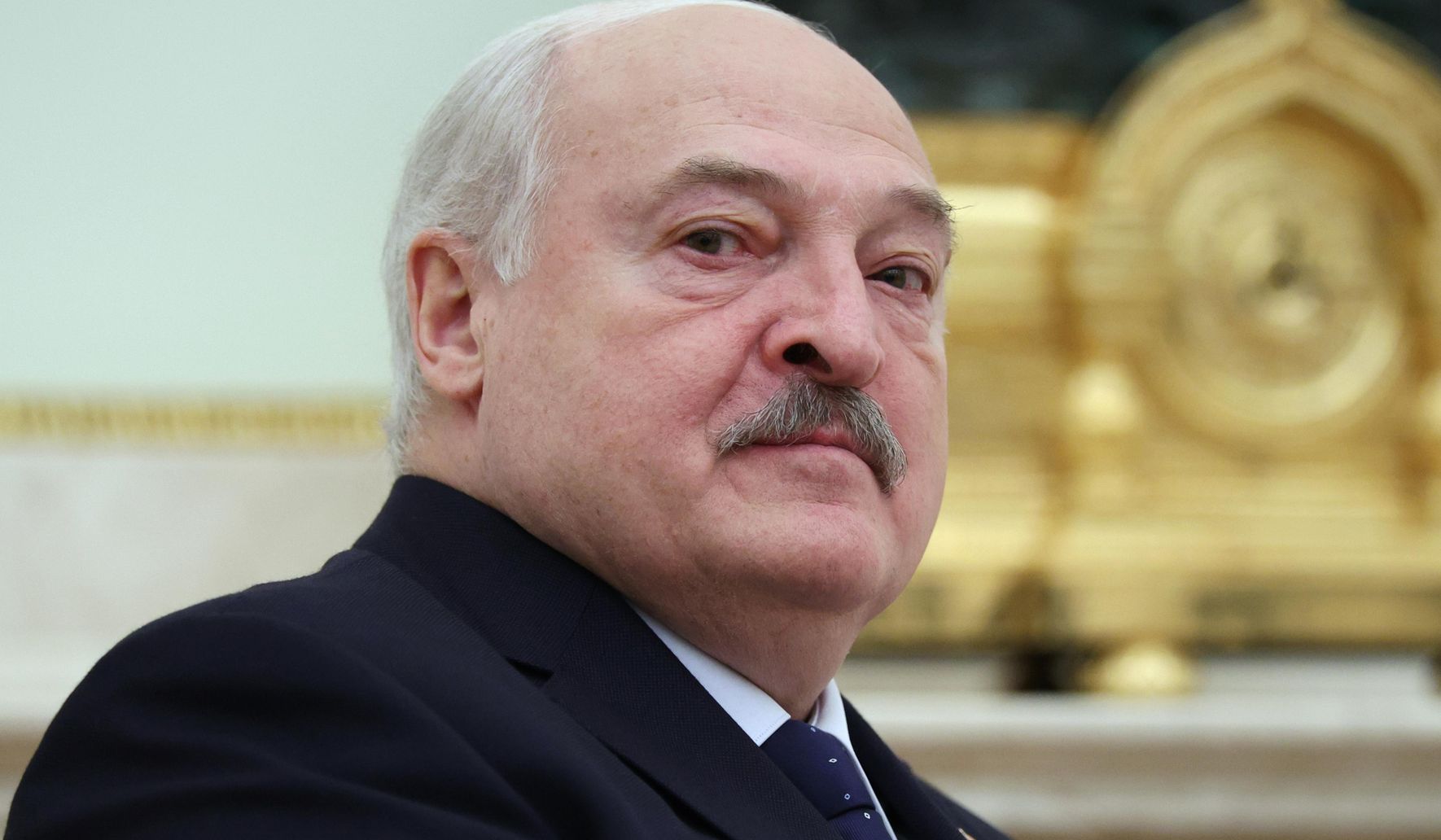
Belarusian President Alexander Lukashenko has pardoned 31 Ukrainians jailed in Belarus on criminal offences, officials said, a move described as part of Minsk’s effort to thaw relations with Kyiv.
This decision to free 31 Ukrainians has been framed by Minsk as a diplomatic olive branch, but it lands amid a complex web of regional power plays and competing narratives. The pardons were announced on Saturday and immediately attracted attention across capitals watching the balance between Belarus, Russia, and Ukraine. On the surface it looks like a step toward détente, but the political context matters as much as the act itself.
Belarus under Alexander Lukashenko has long been a close partner of Moscow, while also trying to retain leverage with neighbors and the West. Granting clemency to foreign nationals is a traditional diplomatic tool that can signal willingness to negotiate without conceding on core policies. For those watching from a U.S. conservative perspective, such maneuvers demand skepticism: gestures can be cheap and often mask harsher behavior at home or continued alignment with adversaries.
The identities and charges against the 31 Ukrainians were reported as criminal offences, though public details have been limited and inconsistent. When states do not provide transparent legal records, questions arise about the legitimacy of prosecutions and whether political aims drove detentions. That ambiguity complicates any neat reading of the pardon as a pure humanitarian or legal correction.
Observers immediately raised the possibility that Minsk hopes to curry favor with Kyiv, perhaps to gain concessions elsewhere or to reduce international pressure. Belarus sits in a strategic spot and benefits from flexing the appearance of independence from Moscow while still depending heavily on Russia for security and economic support. From a Republican viewpoint, the concern is that such moves may be tactical and transactional rather than sincere shifts toward democratic norms or rule of law.
Another angle is domestic. Lukashenko has shown willingness to use high-profile decisions to shore up his position at home, presenting himself as a pragmatic leader who can deliver results. Releasing foreign prisoners can be spun as proof of influence and control, even if it does not alter the underlying governance model. That political theater matters because it affects how allies and adversaries interpret Minsk’s long-term intentions.
Human rights advocates will focus on the fates of those who remain unjustly detained, the legal process behind convictions, and whether pardons come with admission of wrongdoing by authorities. Pardons do not equal justice, and they rarely resolve systemic problems that produce arbitrary detentions in the first place. The optics of freeing a group of prisoners may soothe headlines, but the underlying practices that allowed their arrest deserve scrutiny.
For Western policymakers, the pardons present a dilemma: accept a de-escalatory sign and reopen lines of communication, or treat the move as a tactical ploy that should not change pressure strategies. Republicans who prioritize national security and principled diplomacy will weigh whether engagement rewards destabilizing actors or opens a path to accountability. The pragmatic choice is rarely obvious and depends on clear intelligence about motives and leverage.
Finally, this episode underscores a pattern in which authoritarian governments use selective leniency as a bargaining chip while maintaining broader repression. The release of 31 Ukrainians will be cheered by families and may ease bilateral tensions for a moment, but it does not erase the larger strategic alignments shaping Eastern Europe. Decisionmakers and commentators should parse the action carefully and remain mindful that pardons can be part of a larger negotiation rather than a decisive policy shift.

