

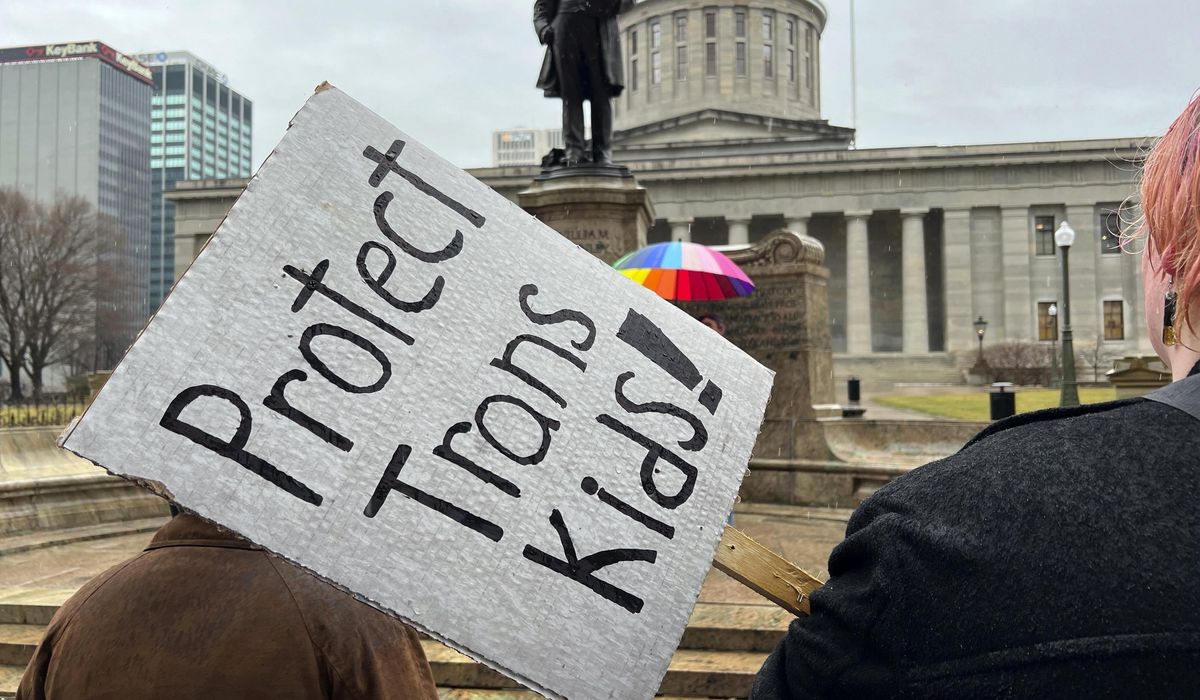
The Biden administration’s push to read “gender identity” into Title IX has collapsed, and what was already on life support is now definitively dead — a blow to activist policymaking and a win for limits on federal overreach.
The effort to rewrite how Title IX is applied ran into steady resistance from courts, state officials, and parents who said the administration tried to change settled law without Congress. That fight, framed as protecting transgender students, raised questions about how far an administration can stretch civil rights statutes to cover new categories. Conservatives saw the move as a classic example of regulatory overreach and a threat to schools’ ability to protect privacy and fairness.
Legal challenges piled up quickly because the rulemaking sidestepped lawmakers and went straight to agencies, which tried to interpret Title IX broadly. Opponents argued the statute, written decades ago, did not authorize the federal government to impose a nationwide policy on “gender identity” without clear congressional approval. Courts responded by checking that administrative reach, signaling a renewed skepticism about expansions of executive power.
On the ground, the controversy produced messy outcomes in classrooms and locker rooms as districts scrambled to comply or resist. School administrators faced impossible choices between federal guidance, state laws, and community expectations, and parents felt shut out of decisions affecting their children. Those tensions exposed a basic governance problem: complex social issues were being handled through agency edicts rather than through local debate or legislative compromise.
Beyond schools, the episode touched on athletics, privacy, and safety, where competing priorities collide in ways that legislation is better suited to resolve. Athletic fairness, especially in girls’ sports, became a lightning rod because biological differences matter in competition. Privacy concerns in bathrooms and changing rooms amplified the pushback, with critics saying administrative fiat could override commonsense protections for students.
The political optics favored conservatives who argued the administration ignored voters and states while pushing an ideological agenda. Republican officials framed the outcome as proof that judicial oversight and state resistance are effective checks on federal rulemaking. That message resonated with voters who want policies set by elected lawmakers rather than by agency lawyers and bureaucrats.
What happens next will be driven by legislatures, courts, and school boards rather than by a Washington rule. States that disagree with the administration’s view have moved to pass laws defending sex-based categories and protecting student privacy. At the same time, activists continue to press their case in court and in the public square, so the broader culture battle remains very much alive even if this particular administrative effort is over.
The collapse also underscores a broader principle about administrative law: major social changes are more durable and legitimate when enacted through Congress. When agencies try to make sweeping changes without clear legislative backing, those changes invite legal reversal and political blowback. That dynamic reinforces the conservative argument for restoring boundaries between the branches of government.
Practically speaking, schools need clear, workable rules they can apply without fear of litigation or federal punishment. Local officials must balance student safety, privacy, and inclusion in ways that reflect their communities. The recent setback for the administration’s Title IX reinterpretation will give districts more breathing room to pursue local solutions, even as national debate continues.
In short, this was a policy push that overreached and met predictable resistance from courts and citizens who prefer decisions made by lawmakers and local leaders. The result is a reaffirmation of limits on executive action and a reminder that lasting solutions come from democratic processes, not last-minute federal directives.

