

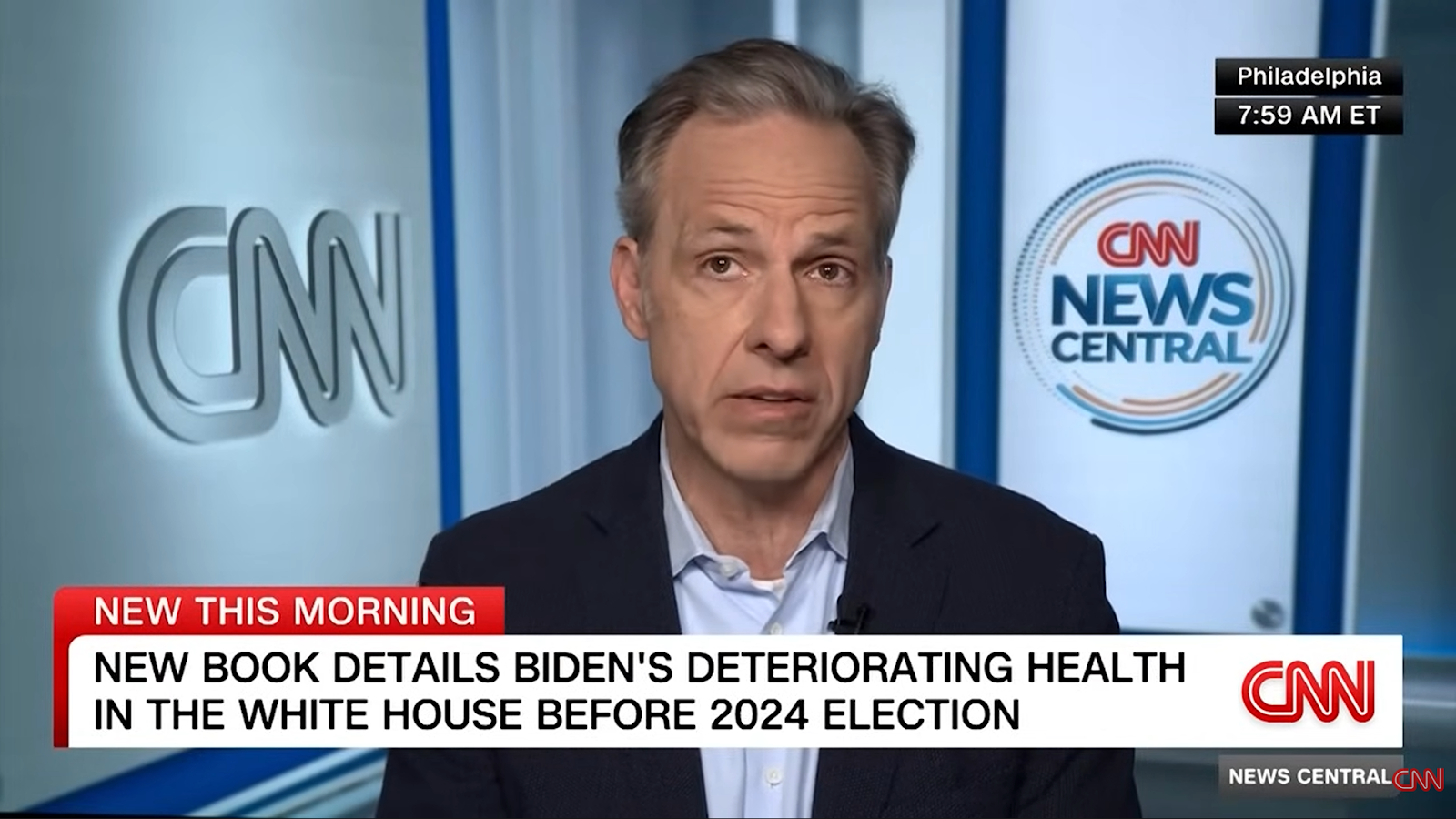
Across the last year the legacy press pushed a string of narratives that fell short of the facts, and many Americans saw through the pattern.
The media didn’t just make mistakes; it repeatedly prioritized narrative over truth, and that habit produced a stream of stories that looked more like PR than reporting. Outlets leaned on anonymous sourcing, selective editing, and loud headlines to drive attention rather than to clarify reality. That pattern left readers with claims that later required corrections, reversals, or quiet walking-back statements that never matched the initial splash.
A common play was the premature certainty story. Reporters would present a single tip or a trending social post as if it settled a complex question. When deeper digging or official documents later contradicted the first version, corrections were buried and the original headlines still shaped public opinion. That approach is a failure of skepticism and a failure of responsibility.
Another recurring problem was what I call story packaging: picking details that fit a favored storyline and omitting context that would complicate the narrative. Whether it was selective video clips, anonymous quotes without documentation, or raw data presented without proper caveats, the result was the same. Readers got a neat, emotionally charged version of events rather than the messier, more useful truth.
Platforming unverified claims without clear caution also became routine. When a sensational claim fits the cultural mood, it spreads fast and earns headlines before anyone tests it. Even after those claims were debunked or heavily qualified, the corrected coverage rarely matched the reach of the original. That asymmetry lets false impressions calcify in public debate.
There were also clear examples of groupthink inside the press corps. When newsroom culture favors a single frame, dissenting facts and alternative sources get sidelined. Journalists who pushed inconvenient details were treated as outliers instead of triggers for better scrutiny. That dynamic undermines the idea of a press corps that holds power to account rather than amplifying a single side.
Corrections and retractions were often too small and too late. A buried correction on page three or an editor’s note appended days after the fact does little to undo a trending headline or viral clip. The audience that saw the original claim doesn’t always see the correction, and the damage to reputations and institutions lingers. Responsible outlets would run corrections with the same reach and tone as the original mistake.
Partisan lapses in coverage also stood out. When reporting habitually favors one political perspective, it becomes harder to trust the rest of that outlet’s journalism. Readers notice patterns: which stories get intense scrutiny, which get friendly interviews, and which get soft handling. That selective focus fuels cynicism and increases the appetite for alternate news sources that promise simple, consistent narratives.
The remedy is straightforward: insist on basic journalistic practices again. Vet anonymous sources rigorously, label unverified material clearly, and treat corrections as first-order duties. Carrying skepticism toward claims that neatly confirm a preferred view helps restore credibility. Audiences are willing to accept complexity, but they will reject repeated shortcuts dressed up as reporting.
The result of ignoring these basics is predictable: erosion of public trust and a media ecosystem that rewards drama over accuracy. That outcome benefits nobody who cares about honest debate or a functioning republic. Rebuilding trust won’t be easy, but it starts with reporters and editors choosing a harder, humbler form of reporting over the quick, glossy narrative that too often passes for the truth.

