

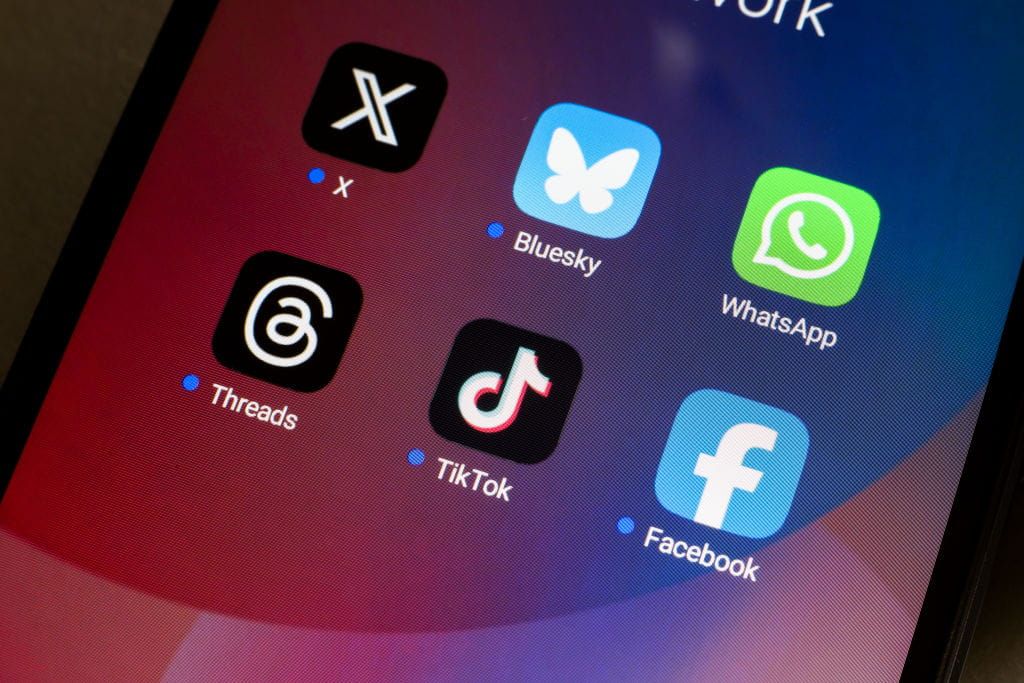
State governments in several Democratic-run jurisdictions are proposing levies on social media companies framed as revenue generation and content accountability, raising constitutional and economic concerns about government overreach, selective taxation, and effects on users and small publishers.
Blue-state lawmakers are pitching targeted fees on major social platforms under the guise of covering enforcement costs and curbing online harms, but the proposals read like punishment for politically inconvenient speech. These plans would single out social media companies with carve-outs and thresholds that favor entrenched players while burdening smaller competitors. The result is an uneven tax code that treats a handful of platforms as cash cows and de facto censors.
“Do these proposed taxes step on the First Amendment?” That question is not rhetorical. When the government attaches financial penalties to editorial choices, it risks chilling speech across the board and invites litigation that ties up public resources for years.
Supporters argue the charges will fund monitoring, safety programs, or public-interest efforts, but the fiscal math rarely stacks up. Revenues claimed from auditing platforms often ignore how companies adjust behavior to avoid new costs, including reducing services, shrinking moderation teams, or passing expenses to users. A so-called revenue stream easily becomes a pass-through expense for consumers, creators, and small businesses who depend on these networks.
Politically, these measures serve two purposes: they create a media-friendly narrative about holding big tech accountable while offering progressive state budgets a fresh income line. The targeting is selective, though, aimed at platforms that host a large volume of conservative content or that resist certain content moderation pressures. That selective enforcement smells like regulatory capture dressed up as public interest policy.
Practical consequences matter too. Platforms facing extra charges may limit features or throttle services in the states that impose them to reduce exposure to the tax base. That regional fragmentation would fragment the national conversation and raise costs for publishers and advertisers who suddenly must juggle differing compliance regimes. Entrepreneurs and startups will be the hardest hit, since compliance overhead and legal risk eat into already thin margins.
Conservative legal advocates point out a predictable pushback: litigation on First Amendment and interstate commerce grounds. Courts have historically balked at taxes that penalize speech or create burdensome barriers to interstate commerce, and judges do not like laws that favor local industries by squeezing out out-of-state competitors. Expect lengthy court fights that will delay any purported benefits and add costs to taxpayers.
There are better, constitutionally sound approaches to the harms lawmakers claim to address. States can fund independent research, improve digital literacy, and support law enforcement resources that target genuine illegal activity without singling out political speech or specific platforms. Policymakers should focus on outcomes that protect rights and preserve a competitive market rather than score short-term political points with new levies.
At the end of the day, voters who value both free expression and efficient government should question whether novel taxes on social media are a public good or a partisan gambit. Lawmakers in those states must weigh the constitutional risks, economic fallout, and political optics before turning platforms into revenue engines. The debate is not just about money; it is about who decides which speech is taxable and what that means for a free society.

