

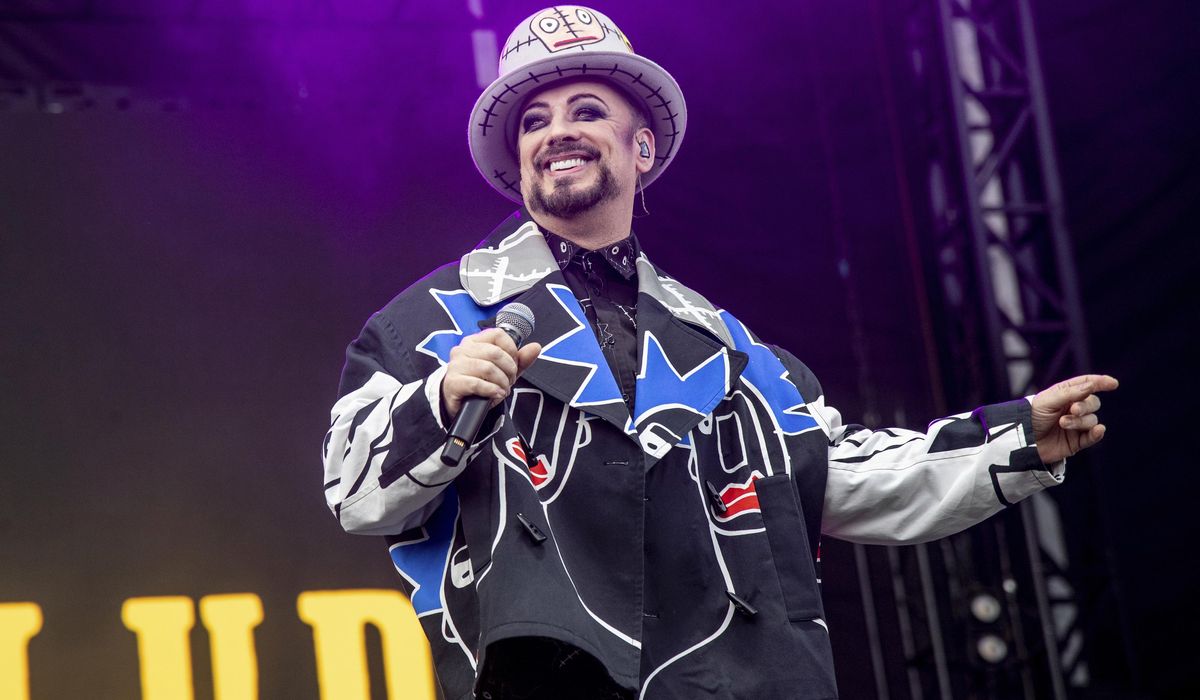
British pop star Boy George pulled out of a West End staging of “Jesus Christ Superstar” just days after releasing a pro-Israel song that triggered sharp online backlash, a move that has sparked debate about art, politics, and the pressures of public opinion.
Boy George’s withdrawal from the London run of “Jesus Christ Superstar” came days after he put out a song expressing support for Israel, and the timing is impossible to ignore. The short interval between the release and his exit has fueled speculation about whether online criticism played a role in the decision. Whatever the precise reasons, the sequence underscores how quickly controversy can affect live productions and the careers of high-profile artists.
The incident highlights a familiar confrontation between artistic freedom and public pressure. Artists who take a public stand on geopolitical issues often face organized criticism that can escalate rapidly across social media. For conservatives who value free expression, there’s a real concern that the loudest voices can bully institutions into excluding performers rather than defending pluralism on stage and off.
Theatre producers operate in a tough market where box office receipts and safety concerns carry real weight. When a lead artist becomes the center of a political storm, producers must weigh reputational risk, potential protests, and ticket sales. That calculus sometimes leads to preemptive moves like replacements or cancellations, even when the underlying dispute is a matter of personal expression rather than artistic suitability.
Fans and industry watchers noticed how quickly a cultural backlash can ripple into professional consequences. Supporters of Boy George argued his right to express solidarity with Israel should have stood apart from casting decisions. Critics countered that public endorsements of polarizing policies or causes draw legitimate responses that can’t be neatly separated from an artist’s public platform.
From a conservative angle, the broader worry is that institutions are too quick to capitulate to internet outrage instead of defending diverse viewpoints. The arts should be a place where different perspectives can coexist, not a space where artists are punished for taking a stance. When producers yield to pressure without protecting artistic autonomy, it sets a precedent that chills public debate.
At the same time, choosing to speak out on foreign policy matters carries practical consequences that artists must accept. Public figures have platforms because they connect with audiences, and those audiences can be decisive about where they spend their money and whom they support. The interplay between personal conviction and professional risk is part of the modern media landscape.
Religious and politically charged productions like “Jesus Christ Superstar” already come with built-in sensitivities, and adding a hot-button geopolitical statement amplifies them. Producers and creative teams are rightly vigilant about protecting the safety of audiences and cast members, but vigilance should not translate into reflexive silencing. A mature cultural sector can manage disagreement without defaulting to exclusion.
The reaction to Boy George’s song and subsequent withdrawal also reflects a split in public opinion about solidarity and proportionality. Some observers saw the song as a reasonable expression of support for an ally, while others viewed it as an inflammatory political act. Those opposing views illustrate how quickly art becomes a proxy for larger geopolitical debates.
Pro-industry voices note that a balanced approach would protect both the right of an artist to speak and the responsibility of producers to safeguard their productions. That balance requires clear policies and principled leadership, not knee-jerk capitulation. Producers who stand for open expression build credibility and resilience against future controversies.
For the public, the episode serves as a reminder that cultural life and political life are intertwined in the age of social media. Audiences expect transparency and often demand accountability, but accountability should not mean automatic exclusion. If institutions aim to foster robust debate, they must resist the tactic of settling disputes by removing voices rather than engaging with them.
Boy George’s withdrawal will likely be discussed as another example in the ongoing clash between free expression and cancel culture. The choices made by artists, producers, and audiences in moments like this will shape the norms of public discourse for years to come. What remains clear is that cultural platforms will continue to be battlegrounds for political expression, and how we respond matters.

