

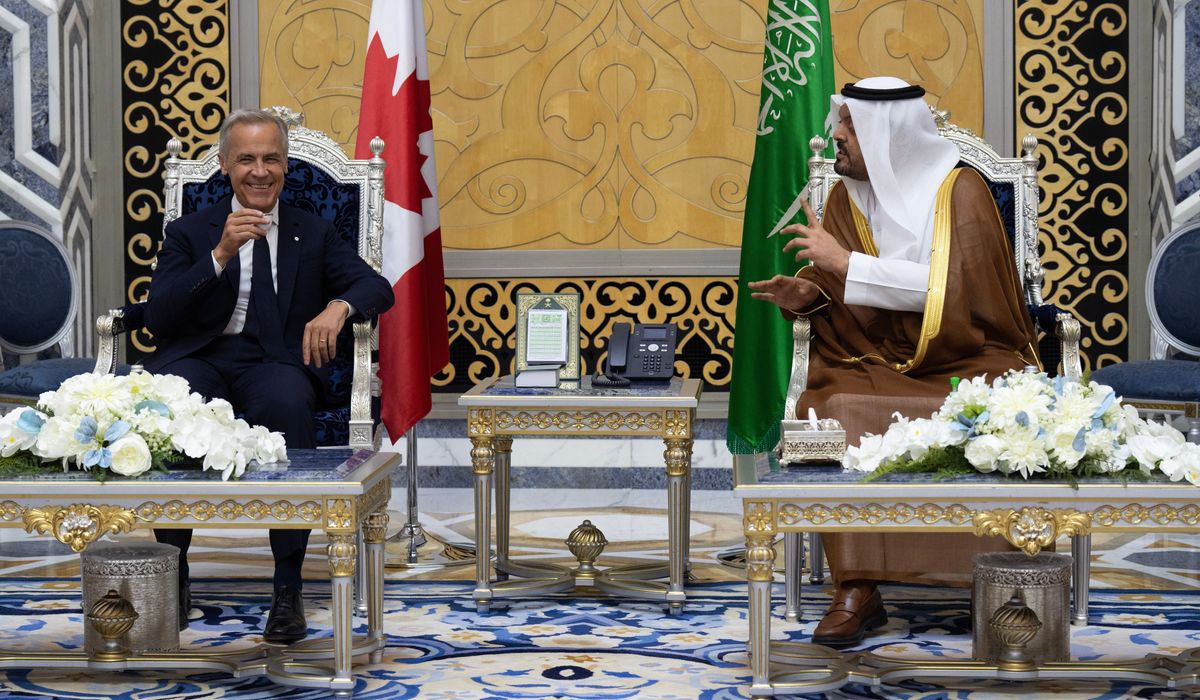
Canada’s top diplomat visited Riyadh to reset economic ties with Saudi Arabia, marking the first trip by a Canadian leader there in 26 years and signaling a pragmatic push for trade and energy cooperation amid political sensitivities.
Canada’s Prime Minister Mark Carney arrived in Saudi Arabia on Wednesday – the first visit to the kingdom by a Canadian leader in 26 years – as he seeks to expand his country’s economic ties. The trip is being billed as a push to rebuild practical relations after a long pause, with business and energy at the center. Officials say the goal is straightforward: more trade, more jobs, and better access for Canadian firms in a fast-changing regional market. That practical streak is exactly what Ottawa needs if it wants to compete globally.
The economic case is plain and blunt. Saudi Arabia remains a giant buyer of infrastructure, technology, and services, and Canadian exporters are missing opportunities while political tensions linger. Bringing Canadian firms into Saudi projects could mean construction contracts, agricultural exports, and technology partnerships that support workers back home. From a Republican viewpoint, economic engagement should be driven by clear national interest and measurable commercial wins, not symbolic gestures alone.
Energy cooperation is a big part of the conversation because the kingdom still shapes global oil and gas markets. Canada can offer energy technology, engineering expertise, and regulatory know-how that complement Saudi production ambitions and diversification plans. Both sides stand to benefit if Canadian companies can partner on projects rather than be shut out by diplomatic friction. Economically smart diplomacy means leveraging private sector strengths to create win-win deals.
Security and strategic calculations are also under the table even if they do not headline the press events. Saudi stability influences supply chains, shipping lanes, and regional power balances that affect North American interests. Canadian involvement in the region requires careful risk management and clear-eyed assessments of where partnership advances national security goals. Republicans often stress that alliances and trade should reinforce, not undermine, security priorities.
Human rights and governance concerns will not vanish, and they should remain part of the conversation without hijacking the entire agenda. Constructive engagement lets Canada raise its values in private while pursuing concrete economic outcomes in public. The balance is delicate: press too hard and you lose leverage; ignore abuses and you compromise principles. A Republican approach favors engagement that ties benefits to measurable reforms and transparent benchmarks.
Back home, skeptics will ask for hard numbers and accountable results, not photo ops and press releases. Parliament and the private sector should demand clarity on contracts, worker protections, and timelines for market access. Clear reporting on outcomes will reassure citizens that the trip is about real economic returns rather than diplomatic theater. This is where accountable governance and market discipline should meet foreign policy.
Business leaders traveling with the delegation are hunting for practical footholds: procurement deals, construction work, and joint ventures in tech and agriculture. Canadian firms have strengths in clean tech, agri-systems, and infrastructure engineering that can be competitive in Gulf tenders. If Ottawa negotiates access rather than charity, companies can win contracts that sustain jobs at home and build long-term commercial relationships abroad. That kind of pragmatic trade policy is what yields results.
The optics matter but the deliverables matter more. A two-way street is essential: Saudi investment into Canadian projects and Canadian exports into Gulf markets should both be encouraged under transparent rules. Ottawa should tie any cooperation to clear oversight, enforceable contracts, and predictable legal frameworks that protect businesses and workers. That pragmatic posture protects Canadian interests while enabling growth, and it’s exactly the sort of sensible engagement voters expect.

