

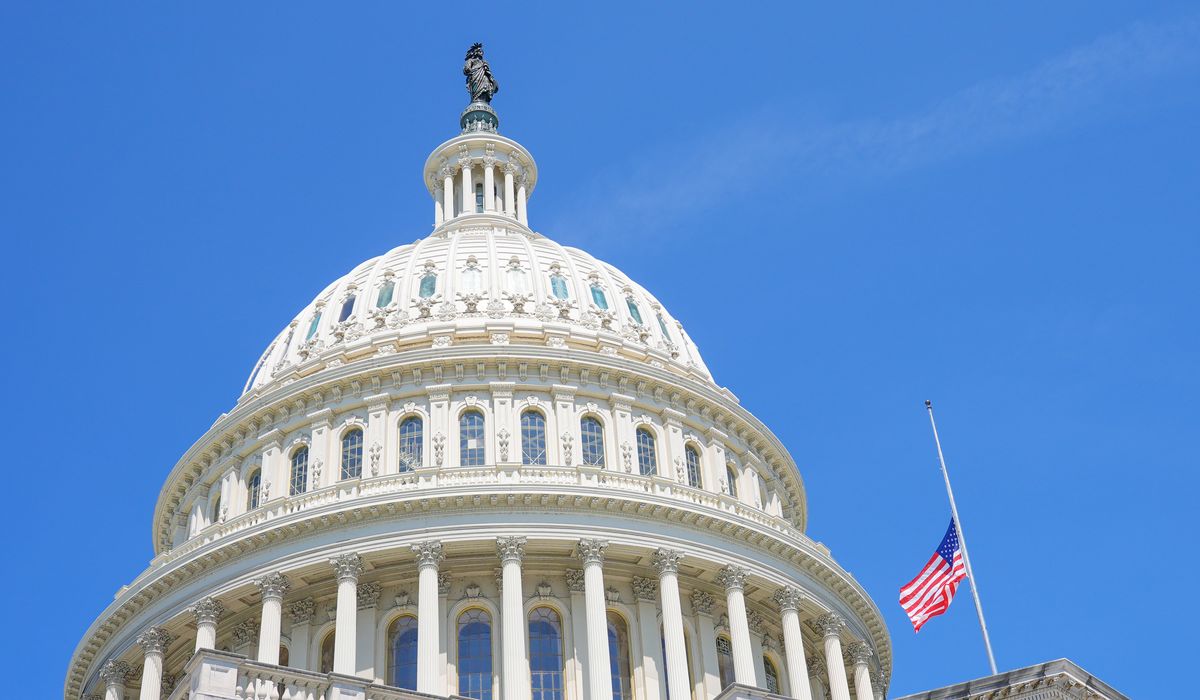
Congress will hold a special ceremony in the U.S. Capitol rotunda next Tuesday to honor the late Sen. Lindsey Graham, kicking off a series of funeral services, including one in Washington featuring re
Sen. Lindsey Graham earned respect across party lines for his steadfast commitment to national defense and for being a pragmatic conservative voice in Washington. His passing prompted an immediate decision by congressional leaders to stage a formal tribute in the U.S. Capitol rotunda next Tuesday. That ceremonial moment will begin a series of services planned to allow citizens and colleagues to pay their respects, including one in Washington featuring re.
Within the Republican family in Congress, Graham’s influence ran deep. He was known for defending the military, pushing for a strong foreign policy, and standing with allies when it mattered. Those positions made him a reliable figure for conservatives who value strength and continuity in national security matters.
Colleagues from both parties acknowledged the gravity of his loss, and the rotunda ceremony signals how seriously Washington views his contributions. The Capitol rotunda is reserved for figures whose public service had national significance, and his presence there will be a clear marker of his place in recent history. Lawmakers who worked with him described the event as a time to remember not just his career but his character.
Even as lawmakers prepare protocol and speeches, the focus remains on family and faith. Funeral arrangements and public gatherings are being coordinated to give his loved ones space to grieve while allowing fellow Americans to honor his life. Republican leaders stress that dignity and respect should guide every public moment in the coming days.
Graham’s legacy will be debated in policy circles for years, especially on issues of defense, judicial appointments, and the art of bipartisan negotiation. He often combined conservative principles with a willingness to engage opponents, and that approach shaped important votes and confirmations. For many voters who supported him, his record reflected a mix of principle and pragmatism.
Republicans remember him as a fighter who could build coalitions when needed and stand firm on core beliefs when the stakes were high. His work on military readiness and foreign affairs resonated with constituents who put national security first. Those themes are likely to be highlighted by speakers at the rotunda ceremony and subsequent services.
The coming services will be attended by a cross-section of political figures, veterans, and constituents who followed his career closely. Public ceremonies in Washington typically bring together people who disagree on policy but share respect for public servants. This is one of those moments meant to show unity in mourning while recognizing a life spent in public service.
As Republicans reflect on what his career represented, there will be an instinct to preserve certain policy priorities he championed. That impulse is about continuity, and about ensuring that priorities such as a robust defense posture remain central in future debates. For towns and communities that backed him, his passing is a reminder of the kind of leadership they expect from their elected officials.
In the days ahead, the nation will see a steady stream of tributes and remembrances from those who knew him best. The rotunda event and the additional services, including the one in Washington featuring re, will provide formal moments to mark a long public career. Those gatherings will give Americans a chance to reflect on service, sacrifice, and the duties of citizenship without turning to partisan spectacle.

