

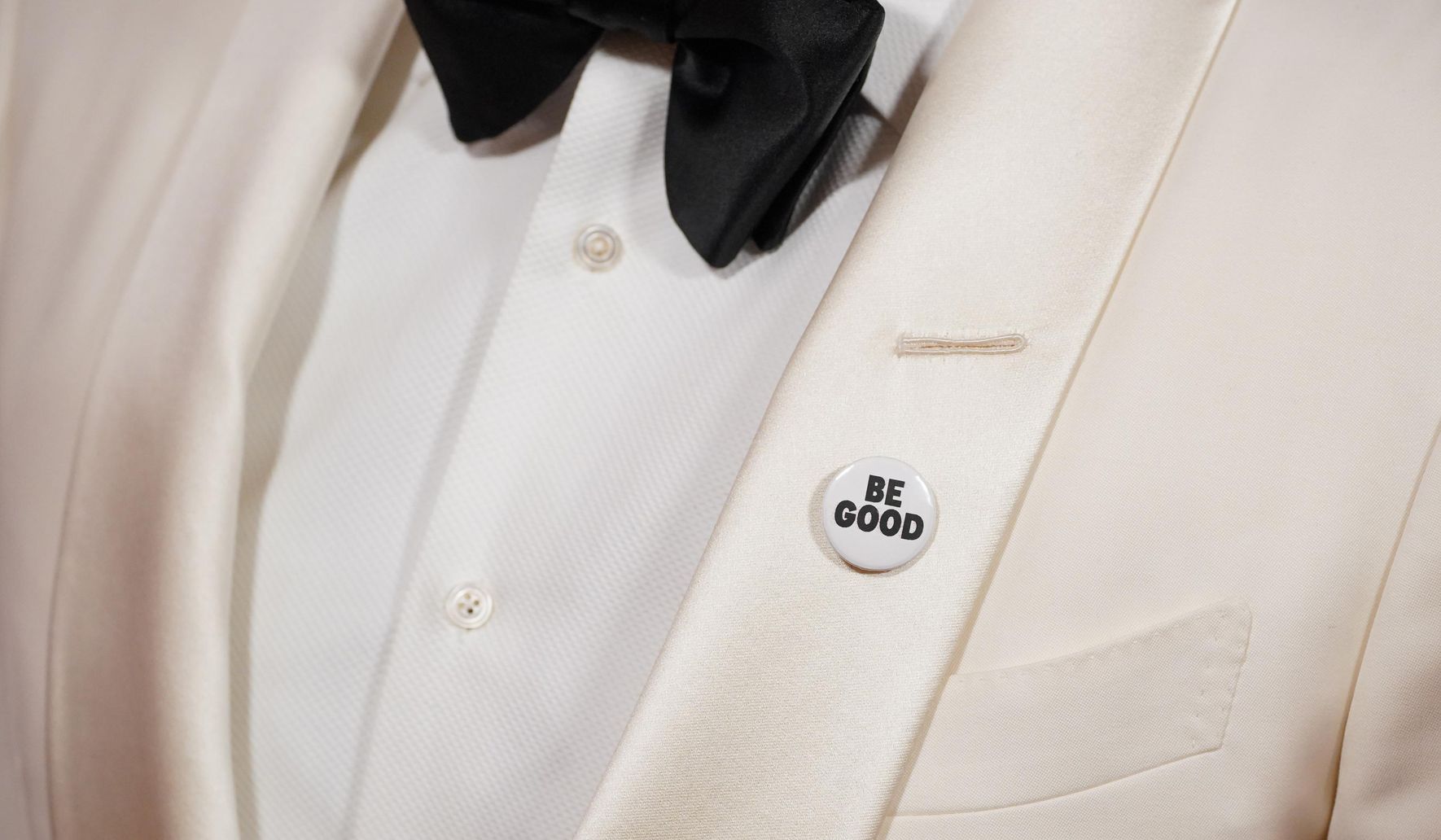
Some celebrities wore anti-ICE pins at the Golden Globes on Sunday in tribute to Renee Good, who was shot and killed in her car by an Immigration and Customs Enforcement officer this week in Minneap. The moment was visible on a big stage, and it sparked a debate that went well beyond the red carpet.
Hollywood has a long habit of turning political grief into fashion statements, and this week was no exception. Some attendees chose anti-ICE pins to make a point about the shooting that killed Renee Good, and the gesture carried weight because it happened during one of the industry’s biggest televised nights.
For many conservatives the optics felt one-sided and premature, especially when the facts are still being established. It is fine to mourn a life lost, but rushing to symbolic blame on a federal agency before investigations finish undercuts fair process and fuels division.
Law enforcement officers operate in dangerous, split-second situations, and the public should expect transparency along with due process. Support for accountability does not mean immediate assumption of guilt, and a Republican perspective stresses that investigations must be thorough and impartial.
Hollywood’s platform matters, and so does responsibility in how it’s used. A pin drifts easily from tribute to political signal, and when celebrities adopt symbols on live television they amplify a message that will be interpreted in many ways.
There is a difference between pushing for justice and turning a tragedy into a performance. Americans who respect order and lawful authority want to see evidence, witness accounts, body camera footage, and a proper review before we settle on a narrative that criminalizes whole agencies or professions.
The debate around ICE is larger than any single incident, and reasonable conservatives will insist on reform where needed while defending the rule of law. Immigration enforcement is difficult and unpopular tasks often fall to ICE, so calls for sweeping condemnation without nuance are misguided.
That said, the federal government must hold its agents to high standards. When allegations of misconduct arise, every taxpayer expects accountability and an intact process that treats the accused and the victim with fairness. Republicans can and do support both public safety and robust oversight.
Press and pundits will spin the Golden Globes moment in predictable directions, but thoughtful citizens should look for verified information rather than rely on symbolic gestures. The pin was a signal, not a verdict, and we should treat it as such while insisting on clarity from investigators.
Celebrities will keep speaking, and the public will keep watching how power and publicity intersect with tragedy. If we want real improvement, the conversation has to move past social signaling to concrete steps: clearer protocols, better training, transparent investigative standards, and a legal process that reaches conclusions based on facts.
The country is tired of polarized posturing after every headline-grabbing death. Responsible citizenship means asking for answers without turning grief into an immediate political judgment, and that balance is exactly what many conservative voters expect from leaders and institutions alike.

