

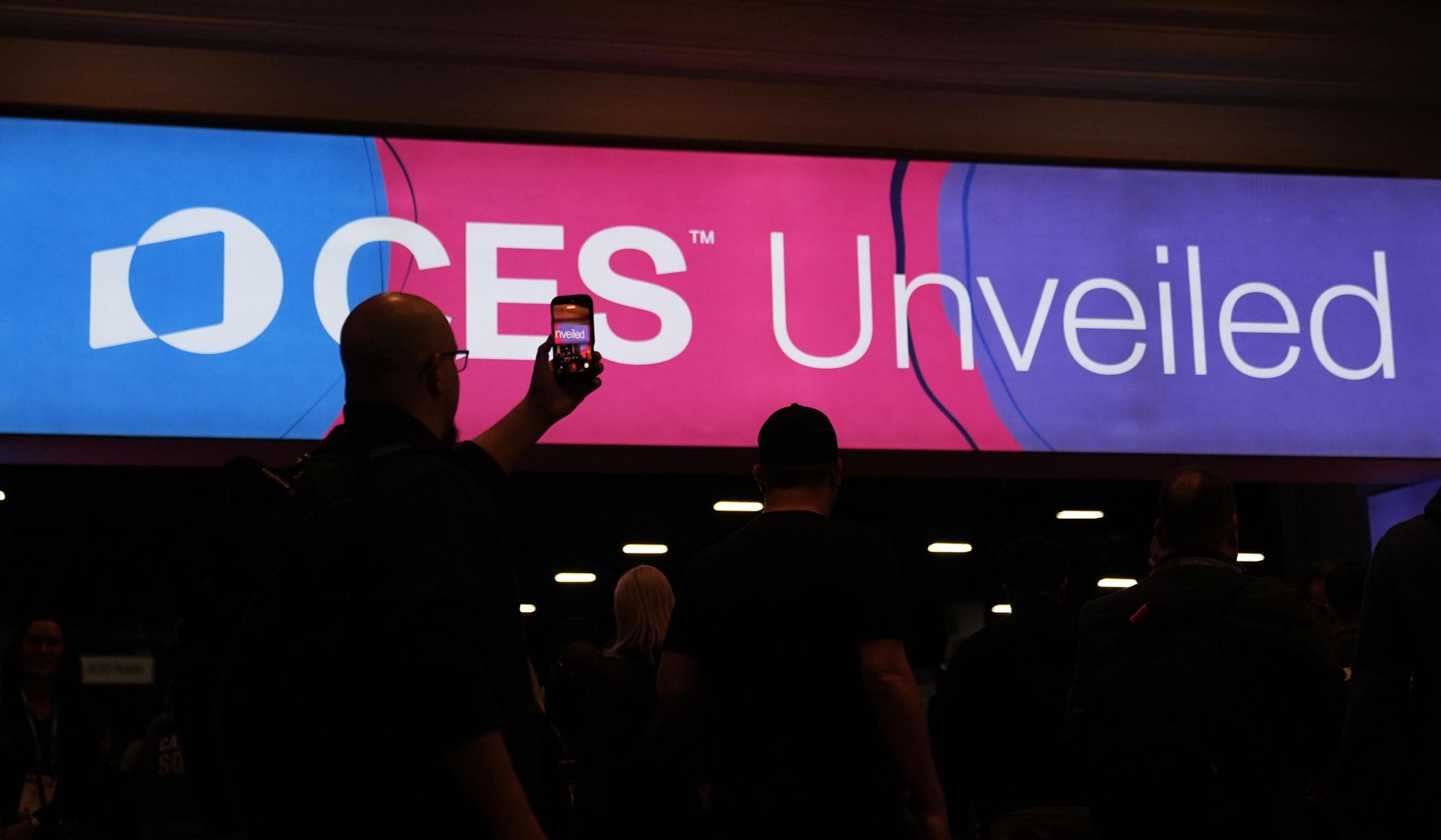
CES 2026 rolled into the calendar with a blast of new gadgets, big bets on artificial intelligence, and a clear push from manufacturers toward smarter, greener consumer tech that will shape device choices through the year.
With the start of the New Year squarely behind us, it’s once again time for the annual CES trade show to shine a spotlight on the latest tech that companies plan to offer in 2026. The show remains the place where prototypes meet press and production timetables are hinted at with demos and roadmaps. Expect a mix of flashy concept pieces and incremental, practical upgrades that will reach stores later in the year.
Artificial intelligence was unavoidable on the floor, showing up from cloud services down to the chips inside everyday devices. Manufacturers pushed hardware-accelerated AI and edge processing as ways to keep latency low and privacy tighter, promising smarter cameras, faster speech recognition, and on-device personalization. That trend signals a shift: raw model hype is giving way to practical integration where AI enhances features instead of acting as a marketing afterthought.
Beyond algorithms, silicon was front and center as vendors compete to balance power and efficiency in phones, laptops, and Internet of Things devices. New generations of mobile processors showcased improved battery life and cooler thermals, while custom AI cores claimed to handle background tasks without draining runtime. This emphasis on energy-efficient compute hints at longer device lifespans and fewer forced upgrades.
Foldables and hybrid designs kept evolving, with manufacturers refining hinges, screen durability, and software continuity across formats. Companies demonstrated slimmer tablets that double as laptops and phones that unfold into pocket-sized tablets with fewer visible creases. Those refinements make flexible hardware feel less experimental and more like a mainstream choice for buyers who want versatility over a single-purpose device.
Automotive tech again made a strong showing, blending infotainment upgrades with more advanced driver-assist systems and better integration of vehicle and home. Electric vehicle announcements emphasized faster charging and smarter in-car software, while some automakers highlighted partnerships to bring AI-paired services directly into dashboards. The tone was less about futuristic flying cars and more about usable improvements drivers will notice every day.
AR and VR hardware continued to chase the promise of immersive computing, with lighter headsets and clearer optics on display. Developers focused on useful applications beyond gaming, like collaboration tools, training solutions, and hands-on industrial overlays, showing how spatial computing can solve specific workflow problems. The hardware pieces are getting better, but the ecosystem still needs more killer apps to push wider adoption.
Smart home gear and connected appliances took a pragmatic turn toward durability, standardization, and energy savings rather than gimmicks. Refrigerators, thermostats, and washer-dryer combos emphasized longer service life, improved connectivity standards, and clearer privacy notes about what data gets shared. Consumers should see smarter automation routines and meaningful integration between devices without sacrificing basic reliability.
Health and wellness tech leaned into sensors and longer-term monitoring, showing wearable updates designed to capture richer biometric signals while keeping daily wear comfortable. New devices touted continuous insights for sleep, stress, and cardiovascular health rather than single-point measurements. Those moves aim to push medical-grade features into mainstream products, though clinical validation will remain the gating factor for many claims.
The show floor also highlighted an active startup scene and a more curated approach to demonstrations, as organizers and exhibitors try to make discovery less chaotic. Smaller companies focused on narrow, defensible innovations rather than trying to mimic major brands, and several announced pilot programs with retail and service partners. For buyers and industry watchers, CES 2026 offered a clearer path from prototype to shipped product than in some past years.
Privacy, security, and realistic product timelines threaded through conversations and press briefings, with vendors increasingly upfront about data handling and phased rollouts. Those disclosures reflect consumer sensitivity and regulatory pressure, pushing firms to be honest about capabilities and release windows. Expect companies to follow up with incremental software updates and staged launches rather than sweeping promises delivered overnight.

