

Summary: This piece covers the Clintons’ refusal to sit for a House Oversight deposition and the GOP frustration with Attorney General Pam Bondi’s handling of the Justice Department, arguing that promised accountability has not materialized while perceived double standards and rising threats from left-wing actors fuel conservative anger.
The Clintons declined congressional subpoenas and refused a deposition with the House Oversight Committee, a move that has inflamed Republican leaders and voters. That refusal landed at the center of a broader debate over whether the Justice Department is enforcing the law evenly. Conservatives see a pattern: high-profile figures on the left seem to avoid consequences while Republican priorities go unpursued.
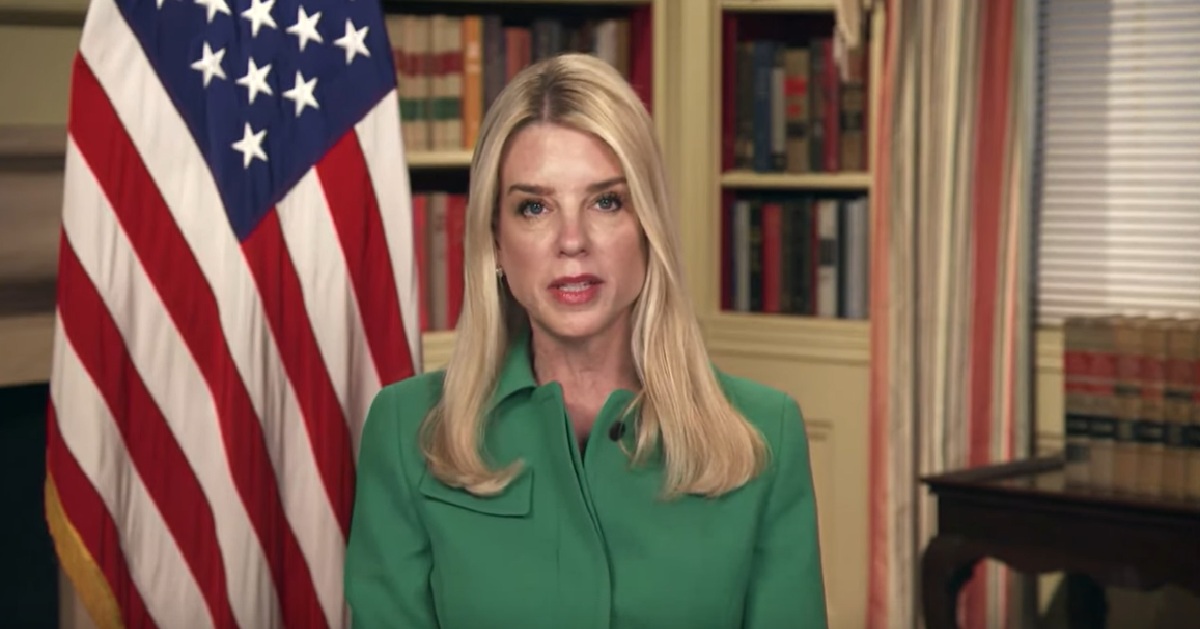
The Clintons’ refusal has drawn significant attention amid broader scrutiny of Attorney General Pam Bondi’s leadership at the Department of Justice (DOJ). That sentence captures why GOP activists are vocal about the gap between campaign promises and results. For many voters, the optics of soft enforcement are as damaging as the lack of indictments themselves.
Critics say Bondi’s tenure represents a missed chance to deliver on the administration’s pledge of accountability. With the White House and Congress under Republican control, expectations were high for a DOJ that would pursue corruption and lawlessness without fear. Nearly a year in, however, the absence of major prosecutions or visible actions has widened the frustration among the base.
During the prior administration, the DOJ under Merrick Garland pursued legal action against people who ignored congressional subpoenas, and that precedent shapes current outrage. President Trump, according to those close to him, has privately pushed for prosecutions of high-profile figures like James Comey and Adam Schiff. Cases against Comey and New York Attorney General Letitia James were dismissed on technicalities, and conservatives say the DOJ did not pursue aggressive follow-up.
Congressional criminal referrals have piled up without apparent movement, reinforcing the view that Bondi favors caution over action. Republican voters insist this is not about vendettas but about enforcing laws against documented misconduct. The difference between bold promises and spotty results fuels suspicion that the DOJ is not fully on the same page as the administration.
Representative James Comer put the issue bluntly on the record, stating: “We’re going to hold both Clintons in criminal contempt of Congress.” That declaration signals hardline intent from GOP lawmakers, but without prosecutorial backing from the DOJ the move risks remaining symbolic. Even so, the threat of contempt reflects growing impatience with what conservatives call a slow-walking of accountability.
High-profile incidents beyond subpoena fights deepen the unrest. Conservatives point to the killing of prominent activist Charlie Kirk and the apparent lack of prosecutions tied to alleged left-wing violence as further proof of uneven enforcement. Despite a December memo reportedly directing FBI reviews of domestic terrorism intelligence and outlining potential charges against Antifa-linked groups, no headline-making actions have materialized, leaving supporters feeling shortchanged.
Online rhetoric from left-leaning accounts has only ratcheted tensions higher, with one prominent X post warning ICE agents that political changes bring “permanent consequences.” The exact line read, “Temporary power, permanent consequences,” and continued, “To all ICE agents, when Trump’s gone, so is your job and immunity, and we the people won’t forget what you did.” Those messages, seen by many conservatives as threats, go largely unchecked and add to the sense that law enforcement is not responding adequately.
Funding sources and donor calculus complicate enforcement decisions, with reports that influential backers have paused or dampened investigations out of fear of political blowback. That dynamic, real or perceived, clashes with promises to dismantle entrenched networks of influence. For voters who backed a platform of sweeping reform, the result looks like caution masquerading as prudence.
Bondi’s appointment was backed by political allies who argued she would deliver results, but her record on certain high-profile matters now colors public expectations. Past decisions, including hands-off moments during her time as a state attorney, are cited by critics who say those patterns are repeating at the federal level. The call from the MAGA base is simple: tangible action rather than speeches and memos.
Concerns about influential funders and ongoing support for controversial causes tied to figures like George Soros feed a narrative of a two-tiered justice system. To many conservatives, a DOJ that hesitates in the face of alleged elite misconduct looks less like careful administration and more like a retreat. Time will tell if the department shifts from caution to the decisive enforcement the base demands.

